Pakatan Harapan targets higher voter turnout for upcoming Johor state polls
Pakatan Harapan is actively campaigning to encourage voter participation in the Johor state election, focusing on the 56 assembly seats up for contention. The coalition is utilizing digital and on-the-ground outreach to motivate the electorate ahead of the July 11, 2026, polling day.
Pakatan Harapan targets higher voter turnout for upcoming Johor state polls
Pakatan Harapan is intensifying efforts to drive higher voter turnout for the Johor state election, scheduled for July 11, 2026. Coalition leaders are actively campaigning to motivate the electorate, with a specific focus on encouraging Johoreans working in Singapore to return to the ballot box. This push comes as political parties prepare for early voting on July 7, 2026, marking a critical period for the state’s political future.
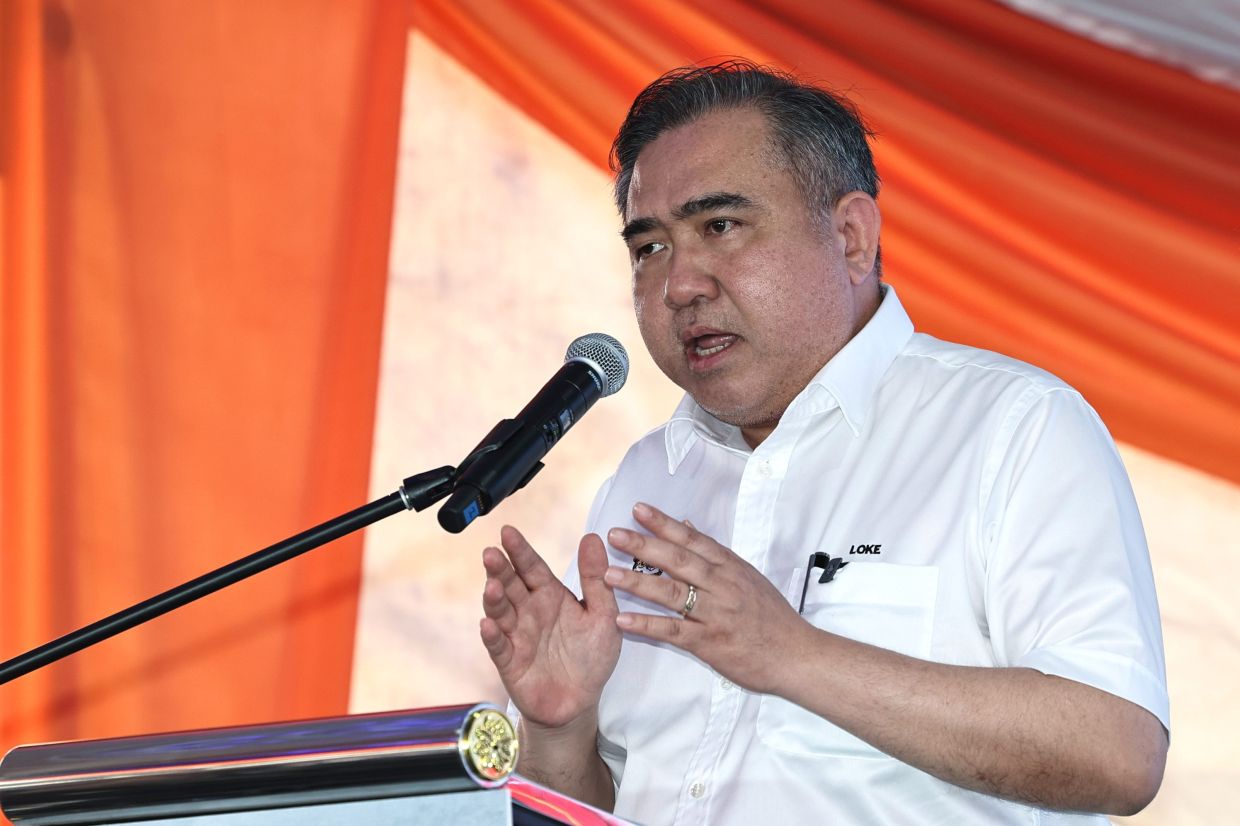
The coalition views increased participation as essential to overcoming the challenges of the 2022 state election, which saw a turnout of 54.92%, the lowest in the state's history. According to DAP secretary-general Anthony Loke Siew Fook, that historically low figure was significantly impacted by the closure of land borders during the pandemic. Loke, who also serves as Transport Minister, emphasized that the current campaign is utilizing both digital platforms and on-the-ground events to stress the importance of voting. During a ceramah in Masai on July 5, 2026, Loke remarked,
"Not making a choice would be the worst scenario – if you do not make a choice, someone else will make the choice for us."
Related media
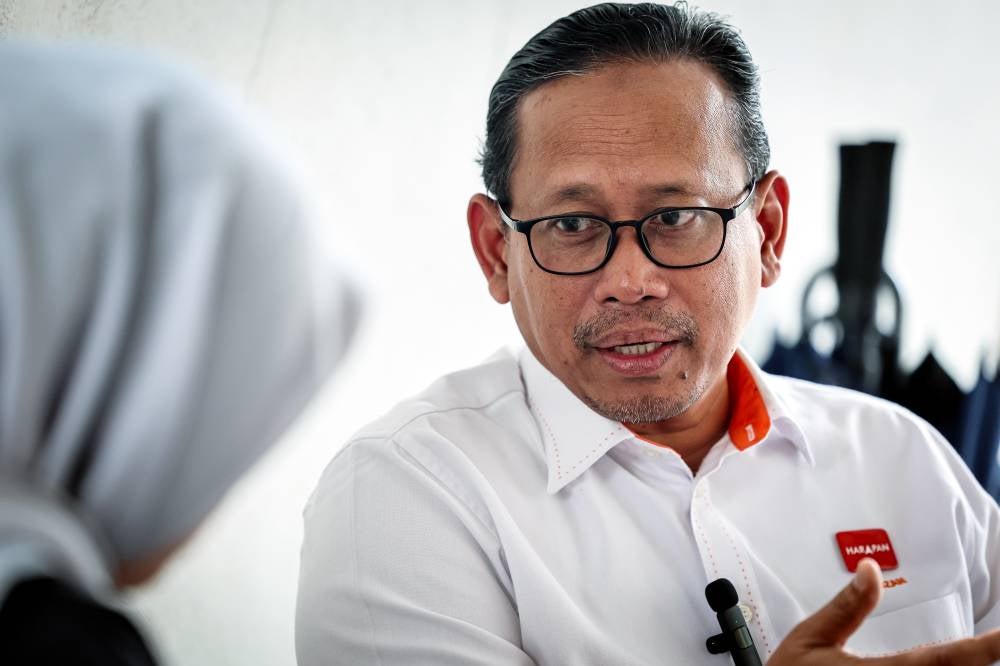
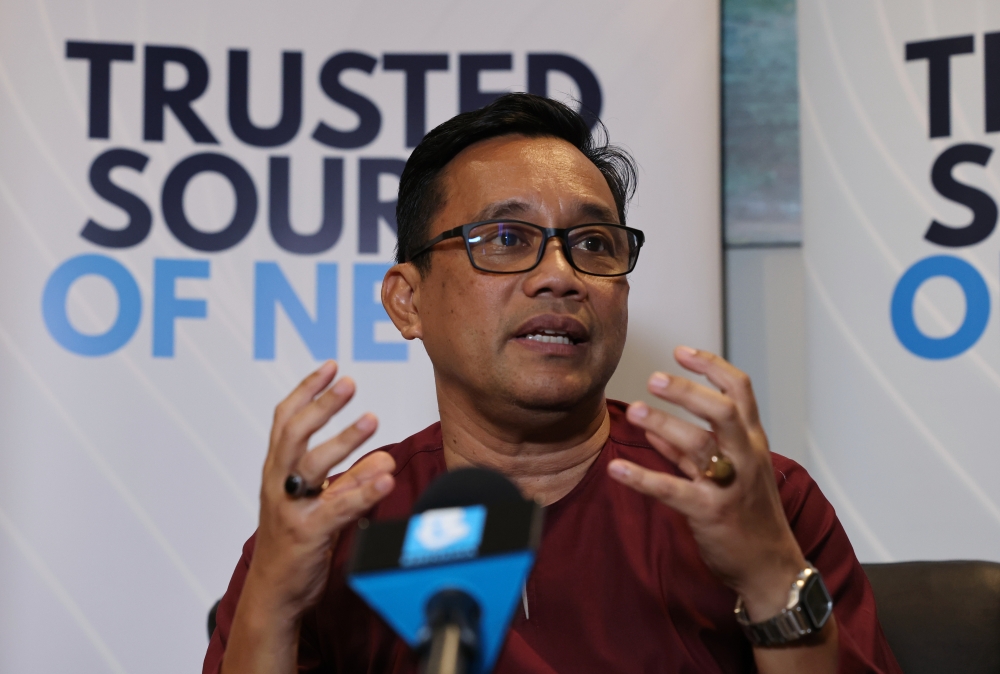
Image via sinardaily.myImage via iseas.edu.sgImage via malaymail.com
Anthony Loke Siew Fook, DAP secretary-general and Transport Minister, via The Star
Pakatan Harapan is contesting all 56 assembly seats. Larkin candidate Suhaizan Kaiat noted that voter turnout increased to around 70 per cent during the general election later that year, a surge that correlated with stronger results for Pakatan Harapan. He suggested that support for Prime Minister Datuk Seri Anwar Ibrahim’s administration provides fresh momentum, potentially influencing voters to seek a change in the state government. Suhaizan also highlighted that political dynamics in Johor have shifted significantly in recent months, citing internal controversies within Umno as a factor in changing public perception.
The electoral field remains complex with 172 candidates vying for seats. Perikatan Nasional, which initially planned to contest every seat, has scaled back its participation to 33 constituencies following internal disagreements between its component parties, PAS and Bersatu. Analysts suggest this retreat may benefit Barisan Nasional by consolidating the Malay vote in those uncontested areas. Meanwhile, younger voters and urban demographics are being targeted by both established parties and smaller entities, including the Malaysian United Democratic Alliance (MUDA) and the newly formed Parti Bersama Malaysia, led by Rafizi Ramli.
Candidates are adapting their strategies to reach a broader audience. For instance, Mohd Khuzzan Abu Bakar, who is contesting the Semerah seat, has integrated digital platforms like TikTok, Instagram, and Threads into his outreach, noting that even senior citizens are engaging with these tools. His platform focuses on restoring infrastructure projects, addressing flash floods, and creating employment opportunities, reflecting a broader coalition goal to present policy-driven solutions rather than relying solely on traditional campaigning. Khuzzan emphasized that the campaign strategy includes youth-focused activities such as e-sports, sepak takraw, and carrom, alongside exposure programs on artificial intelligence to prepare younger voters for future economic opportunities.
The election is widely regarded as a stress test for the federal unity government. Political observer Ong Kian Ming has cautioned that the strategic decision by Pakatan Harapan to field many new faces, effectively replacing several veteran leaders, carries both potential risks and opportunities for the coalition's performance at the ballot box.
As the campaign draws to a close, candidates like Maszlee Malik have framed the election as a consequential decision for the next generation, urging citizens to vote for the future of their children and grandchildren. With polling day set for July 11, 2026, the outcomes across the 56 seats remain a focal point for the national political landscape.
Key Details for the July 11, 2026 Polls
Total Seats: 56
Total Candidates: 172
Early Voting: July 7, 2026
Polling Day: July 11, 2026
2022 Turnout: 54.92%
READER INTELLIGENCE PULSE
How significant is this development?
Contribute your assessment to the aggregated reader intelligence ledger.
Click an option to register your anonymous assessment.
Editorial Standards & Verification
Archypedia is dedicated to independent, evidence-backed reporting. This briefing was synthesized from primary source reporting, corroborated across independent newsrooms, and verified against our Editorial Standards.