US launches strikes against Iran after merchant ships hit in Hormuz Strait
The U.S. military escalated its campaign against Iran by targeting key defensive assets following the attack on three merchant vessels. The U.S. has also revoked a waiver that permitted the sale and export of Iranian oil.
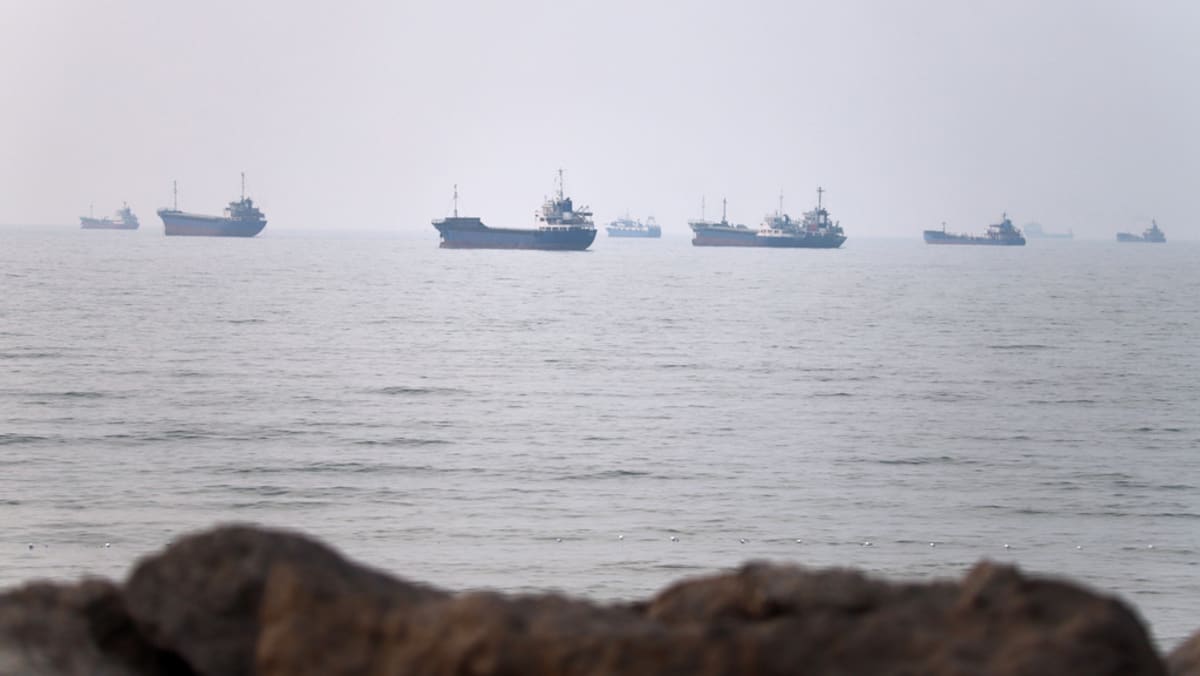
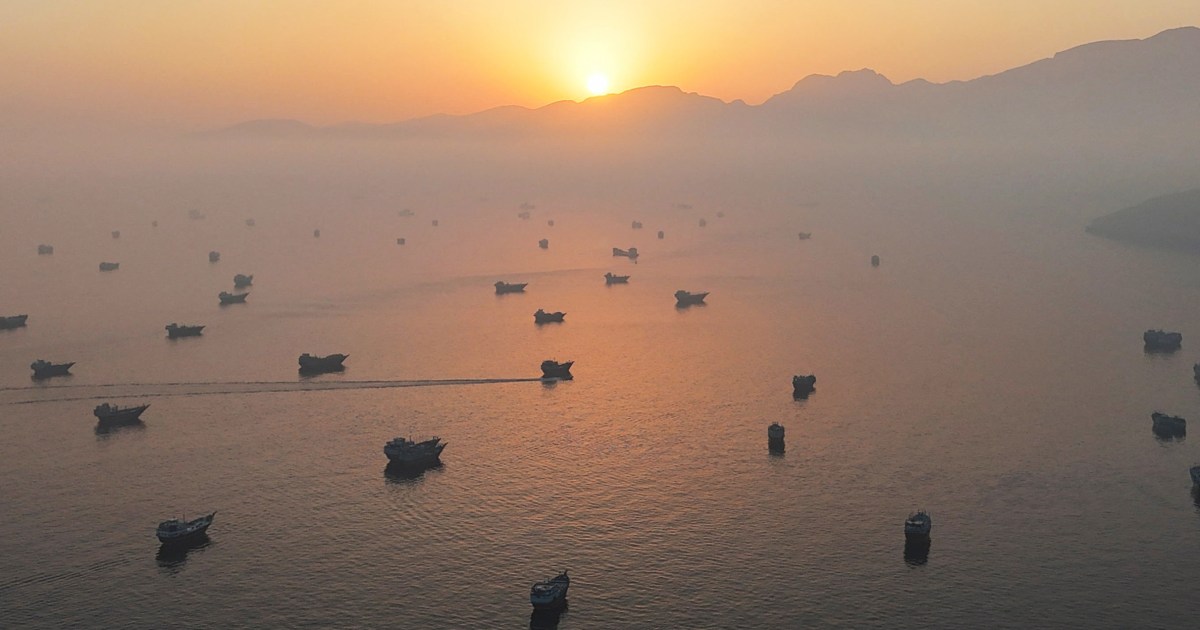
United States military forces launched a series of powerful strikes against Iranian infrastructure early Wednesday, July 8, 2026, marking a significant escalation in the ongoing conflict. The offensive comes in direct response to the targeting of three merchant vessels in the Strait of Hormuz the previous day, an action U.S. Officials condemned as a clear violation of a recently established ceasefire.
According to U.S. Central Command, the military operations were designed to impose heavy costs
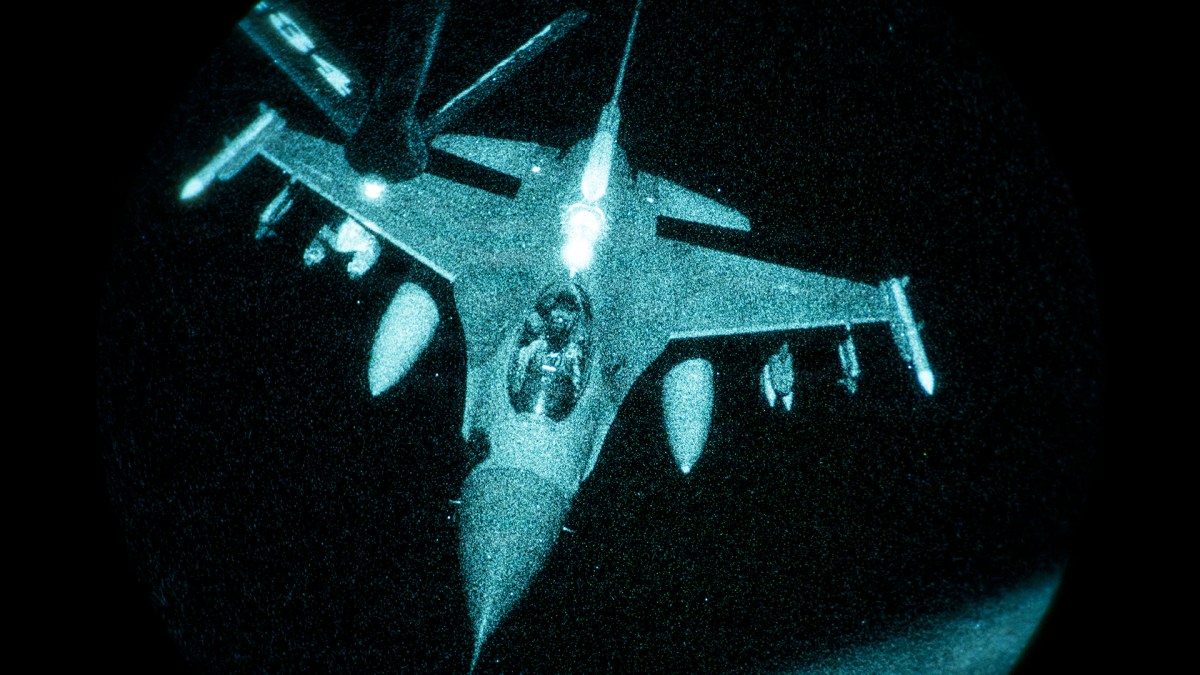
for the attacks on commercial shipping. American officials confirmed that the strikes targeted critical Iranian assets, including air defense systems, coastal surveillance infrastructure, ground-to-air missiles, and launch sites for drones and anti-ship cruise missiles. Reports from Iranian state media identified explosions in Qeshm, Bandar Abbas, and Sirik. One official stated that the intensity of this campaign is significantly higher than previous retaliatory actions conducted in late June, describing the strategy as turning up the volume
because the U.S. Government believes Tehran has failed to heed previous warnings.
Related media


The hostilities have cast fresh doubt on the sustainability of an interim memorandum of understanding signed between the two nations last month. In immediate response to the shipping attacks, the U.S. Treasury Department revoked a license that had previously permitted the sale and export of Iranian oil. This waiver had been granted as a concession to incentivize negotiations and ease the global economic strain caused by the conflict. An official told media that the U.S. Remains committed to a final deal but warned that the memorandum is entirely performance-based,
stating that Iran will only receive economic benefits if it demonstrates good behavior.
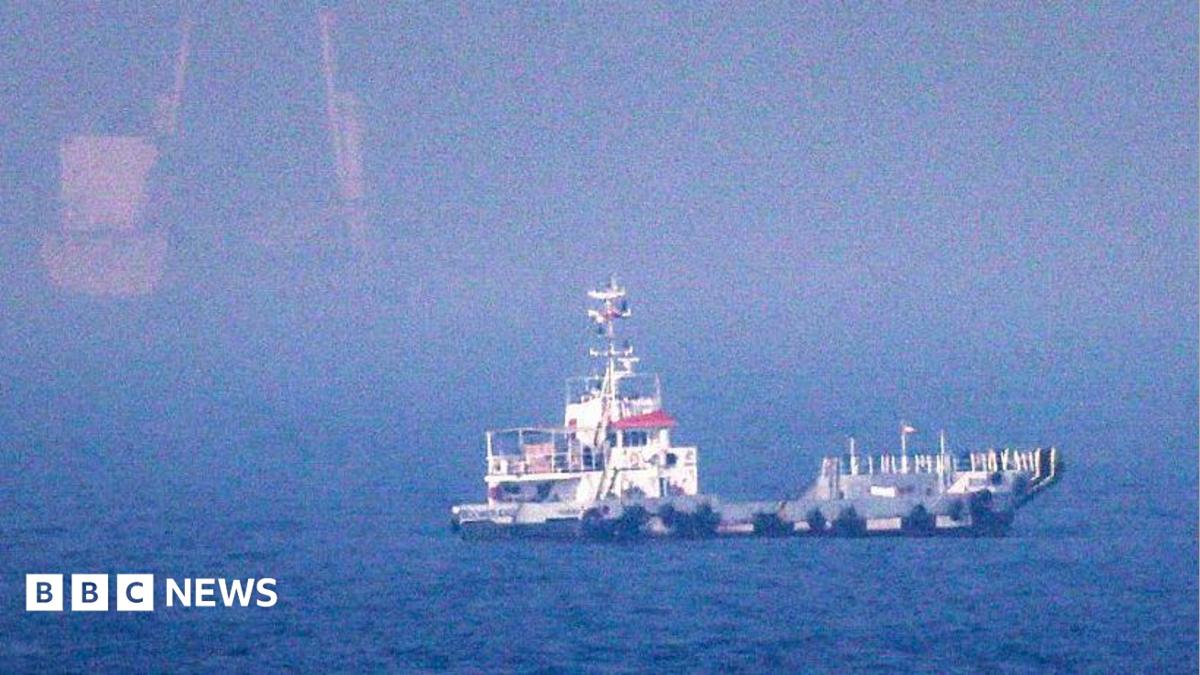
The maritime incidents involved three separate vessels. The United Kingdom Maritime Trade Operations center reported that a liquefied natural gas tanker, identified by Qatar as the Al-Rekayyat, was struck by a projectile near the coast of Oman, causing a fire in its engine room. Two other merchant ships sustained structural damage during the same window. The Joint Maritime Information Center, a multinational body overseen by the U.S. Navy, had previously designated the route along the Omani shore as a safe path for commercial traffic, a corridor that Iranian authorities have frequently contested.
Tensions have been compounded by the ongoing funeral observances for the late Iranian Supreme Leader, Ayatollah Ali Khamenei, who was killed during the initial phase of the war on February 28. As the country mourns, Iranian officials have signaled a hardening of their diplomatic stance. Foreign Minister Abbas Araghchi stated that Iran will not resume negotiations until specific conditions—including a full Israeli withdrawal from Lebanon and an end to hostilities—are met. Deputy Foreign Minister Kazem Gharibabadi characterized both the revoking of the sanctions waiver and the new U.S. Military strikes as clear breaches of the interim agreement.
The instability in the Strait of Hormuz, a vital artery for global energy, has once again affected markets. Brent Crude and West Texas Intermediate futures rose following the attacks, reflecting investor anxiety over the security of the waterway. During the conflict, the price of oil has fluctuated significantly, previously surging above $100 a barrel before temporary dips during phases of relative calm.
What to Watch Next
- Economic Pressure: With the oil sanctions waiver revoked, analysts are observing whether the U.S. Will impose further restrictions or if Iran will attempt to circumvent the new measures to maintain its primary revenue source.
- Military Posture: U.S. Officials indicated the current strikes would last for hours, but the potential for a larger, sustained aerial campaign remains dependent on Iran's reaction to the loss of its air defense and missile launch capabilities.
- Safety of Shipping: Maritime authorities are monitoring whether shipping lanes will remain open or if Iran will continue to target vessels utilizing the Omani route that Tehran considers unauthorized.
As the U.S. Military continues its current operation, President Donald Trump remains in Turkey for a NATO summit, where the conflict with Iran has been a primary point of discussion. The administration has expressed frustration with the lack of participation from other NATO allies in the military effort, even as those nations feel the economic impact of the disruption to Persian Gulf energy supplies.
How significant is this development?
Contribute your assessment to the aggregated reader intelligence ledger.
Archypedia is dedicated to independent, evidence-backed reporting. This briefing was synthesized from primary source reporting, corroborated across independent newsrooms, and verified against our Editorial Standards.
Transparency record
Evidence behind this report
This report synthesizes 12 distinct sources. Open the source ledger below to compare the underlying coverage.
- apnews.com
- cbsnews.com
- channelnewsasia.com
- thehindu.com
- livemint.com
- usatoday.com
- twz.com
- abcnews.com
- indiatoday.in
- etvbharat.com
- yahoo.com
- timesofindia.indiatimes.com
Prepared under the Archypedia Editorial Policy by the Samir Haddad editorial desk profile. AI-assisted tools may support drafting and verification; public accountability remains with Archypedia. Report an error.