Iraq probes pipeline strikes launched from its territory targeting Saudi oil
Prime Minister Ali al-Zaidi ordered security crackdowns and border closures after investigators traced long-range drone strikes on Saudi Arabia's East-West pipeline to Maysan province.
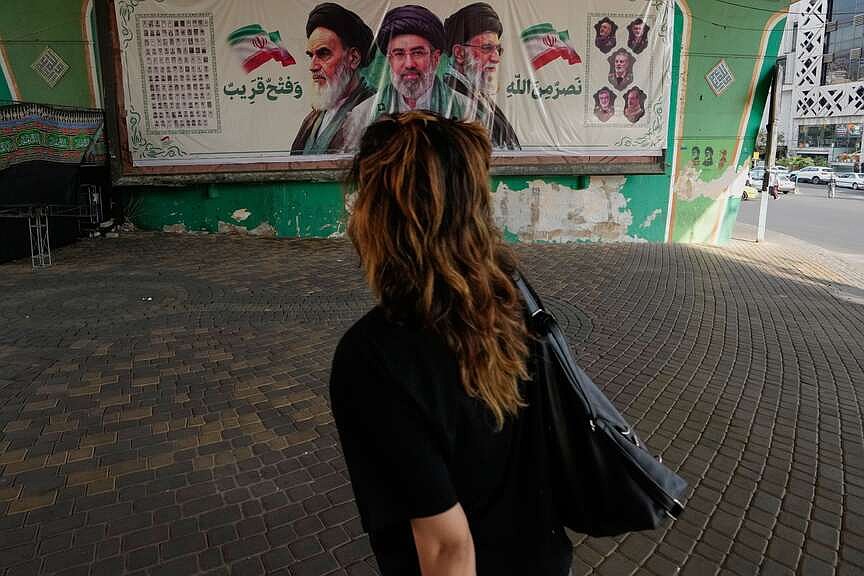
Prime Minister Ali al-Zaidi ordered the dismissal of regional military commanders and the closure of key border crossings on Saturday, September 13, 2026, after government investigators confirmed that drone strikes crippling a vital Saudi oil pipeline originated inside Iraqi territory, according to reporting by Arkansasonline and PBS.
The emergency containment measures in Baghdad follow Thursday strikes that caused injuries and material damage along the Saudi East-West pipeline, forcing a precautionary operational shutdown of the kingdom's primary export bypass. While Saudi authorities traced the drones to Maysan province in southeastern Iraq, regional officials reported that the operation involved coordinated actions between the Houthi movement and Iran-backed militias operating inside Iraq, as detailed by Sfgate and Al Jazeera.
Related YouTube video

Pipeline Shutdown and Strategic Energy Vulnerabilities
The targeted pipeline carries millions of barrels of crude oil daily from Saudi Arabia’s eastern fields across the Arabian Peninsula to the Red Sea port of Yanbu, serving as a critical alternative route bypassing the Iran-threatened Strait of Hormuz. According to Al Jazeera, the pipeline handles roughly 4 to 5 percent of the global oil supply.
Data compiled from international energy monitoring underscores how heavily export logistics have relied on Red Sea transit since regional conflict escalated.
| Export Route / Facility | Operational Status & Context |
|---|---|
| East-West Pipeline (Yanbu Terminal) | Shut down following Thursday drone strikes from Iraq; exports had more than doubled earlier in the year according to the International Energy Agency. |
| Strait of Hormuz | Partially blocked amid the U.S.-Iran war, with commercial ship traffic severely restricted and redirected. |
| Bab el-Mandeb Strait | Threatened by swift Houthi advances along Yemen's Red Sea coast, endangering global transit accounting for roughly 12 percent of world trade. |
Security analysts noted that the distance from the launch area in Maysan province to the struck installations in Riyadh and Medina — spanning approximately 800 kilometers to nearly 1,100 kilometers — indicated the use of advanced, long-range drones rather than basic tactical equipment, as reported by Sfgate and TürkiyeToday.
Baghdad's Scramble and Conflicting Claims
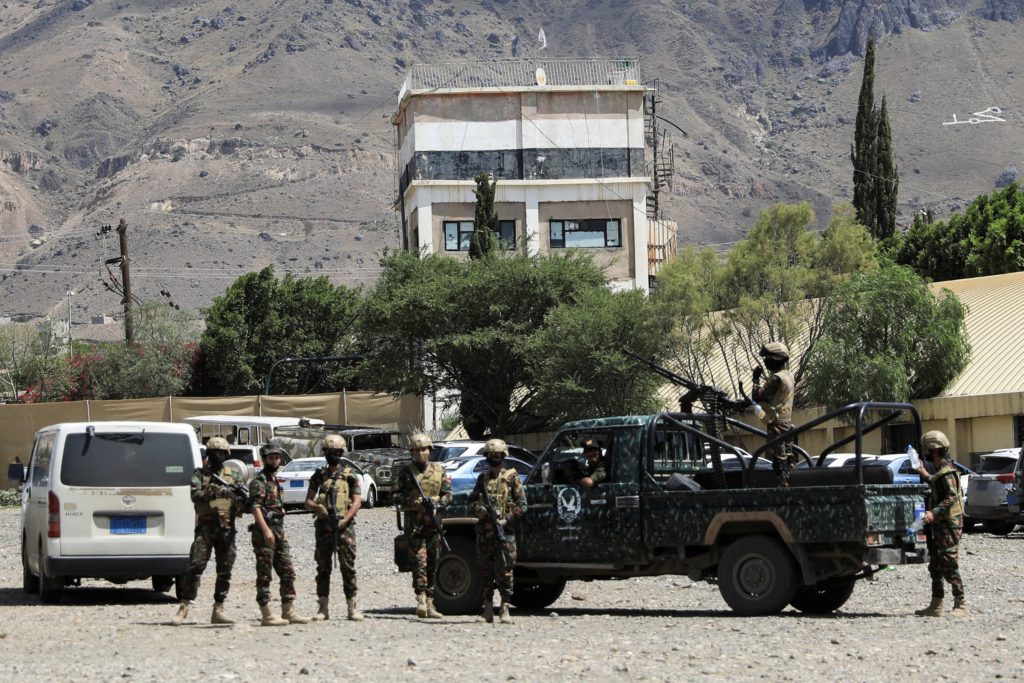
Lieutenant General Saad Maan, head of Iraq’s Security Media Cell, announced that an intelligence task force located and seized the launch platform in the al-Tayeb border district of Maysan province. Prime al-Zaidi subsequently dismissed the province's operations commander and police chief, established an investigative committee, and temporarily closed border crossings with Iran, including Shalamcheh and Chazabeh, before permitting humanitarian traffic to resume.
Despite the physical evidence recovered by Iraqi security forces, an umbrella organization representing Iran-backed militias in Iraq issued a flat denial of involvement. The militia coalition disclaimed responsibility for the pipeline strike while simultaneously praising Houthi military advances against Saudi forces.
Meanwhile, political leaders offered sharply divergent assessments of external culpability. U.S. President Donald Trump told reporters in Dublin that Iran was likely behind the escalation, while Iranian President Masoud Pezeshkian countered during a broadcast interview that Tehran was not at war with Riyadh, according to Arkansasonline and PBS.
Regional Fallout and Humanitarian Toll
The energy disruptions compound a deteriorating humanitarian crisis across the southern Arabian Peninsula. The International Organization for Migration reported that at least 76,000 civilians have fled their homes since July amid escalating fighting between Houthi forces and the Saudi-backed Yemeni government, up sharply from prior estimates of 46,000 displaced persons.
Frequently Asked Questions
Why was Saudi Arabia's East-West pipeline shut down?
The pipeline was closed as a precautionary measure after several long-range drones launched from Iraqi territory struck targets in the Riyadh and Medina regions on Thursday.
How has the Iraqi government responded to the attack?
Prime Minister Ali al-Zaidi ordered the dismissal of senior military and police commanders in Maysan province, authorized the seizure of the drone-launching platform, approved a joint investigation with Iran, and temporarily tightened security at border crossings.
What is Saudi Arabia's official stance on retaliation?
The Saudi Foreign Ministry stated that the kingdom is withholding military retaliation at this stage to give the Iraqi government an opportunity to take necessary security measures.
Diplomatic efforts to address the broader crisis continue across multiple tracks. Iranian and Iraqi foreign ministers held phone consultations to establish a joint investigative committee and prepare for upcoming multilateral discussions. Those diplomatic tracks converge on Monday in Oman, where representatives from Iraq, Iran, and the six member states of the Gulf Cooperation Council are scheduled to convene to address security protocols, freedom of navigation, and shipping transit rules in the Strait of Hormuz, as outlined by TürkiyeToday and Al Jazeera.
Archypedia is dedicated to independent, evidence-backed reporting. This briefing was synthesized from primary source reporting, corroborated across independent newsrooms, and verified against our Editorial Standards.
Transparency record
Evidence behind this report
This report synthesizes 5 distinct sources. Open the source ledger below to compare the underlying coverage.
Prepared under the Archypedia Editorial Policy by the Samir Haddad editorial desk profile. AI-assisted tools may support drafting and verification; public accountability remains with Archypedia. Report an error.


