US expands airstrikes against Iran, hitting bridges and port infrastructure
U.S. forces are targeting Iranian logistics and energy infrastructure to break a blockade of the Strait of Hormuz. The conflict has caused regional strikes.
The United States military continued its aerial campaign against Iran for a seventh consecutive night, targeting transportation and energy infrastructure in an effort to regain control over the Strait of Hormuz. Following the collapse of interim ceasefire negotiations, Washington has intensified pressure on Tehran, seeking to force an end to the blockade of a waterway that previously carried approximately one-fifth of the world’s traded oil and gas. The conflict, which began on February 28, 2026, has seen traffic in the vital shipping lane fall to a three-week low of eight vessels as of Thursday, July 16, 2026.
Escalation of Airstrikes
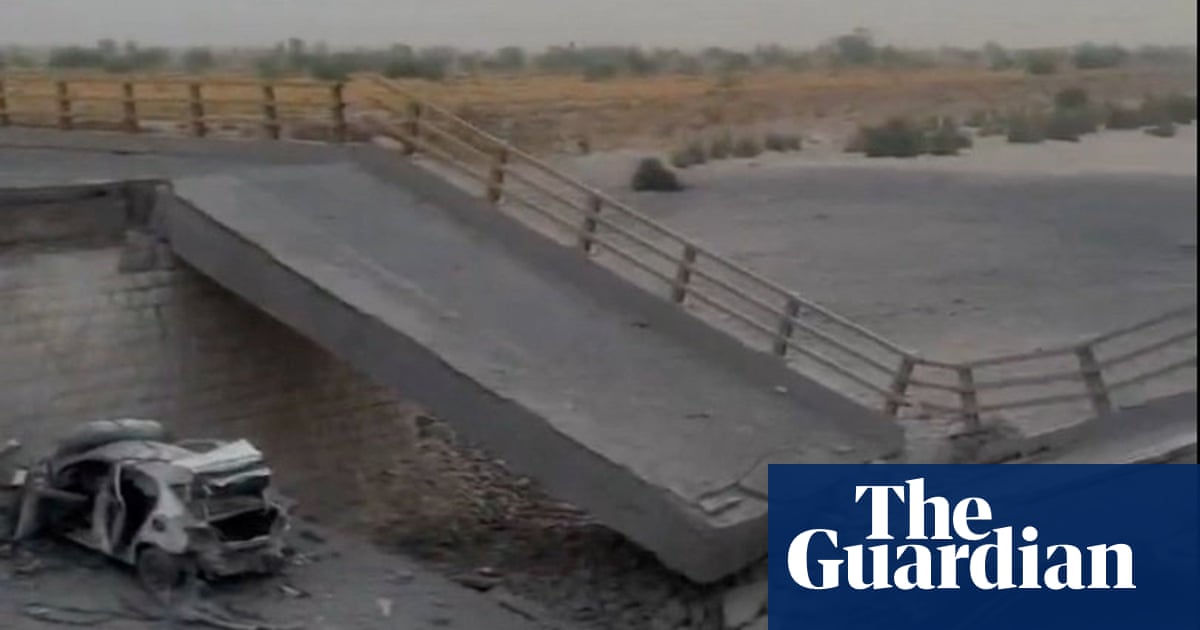
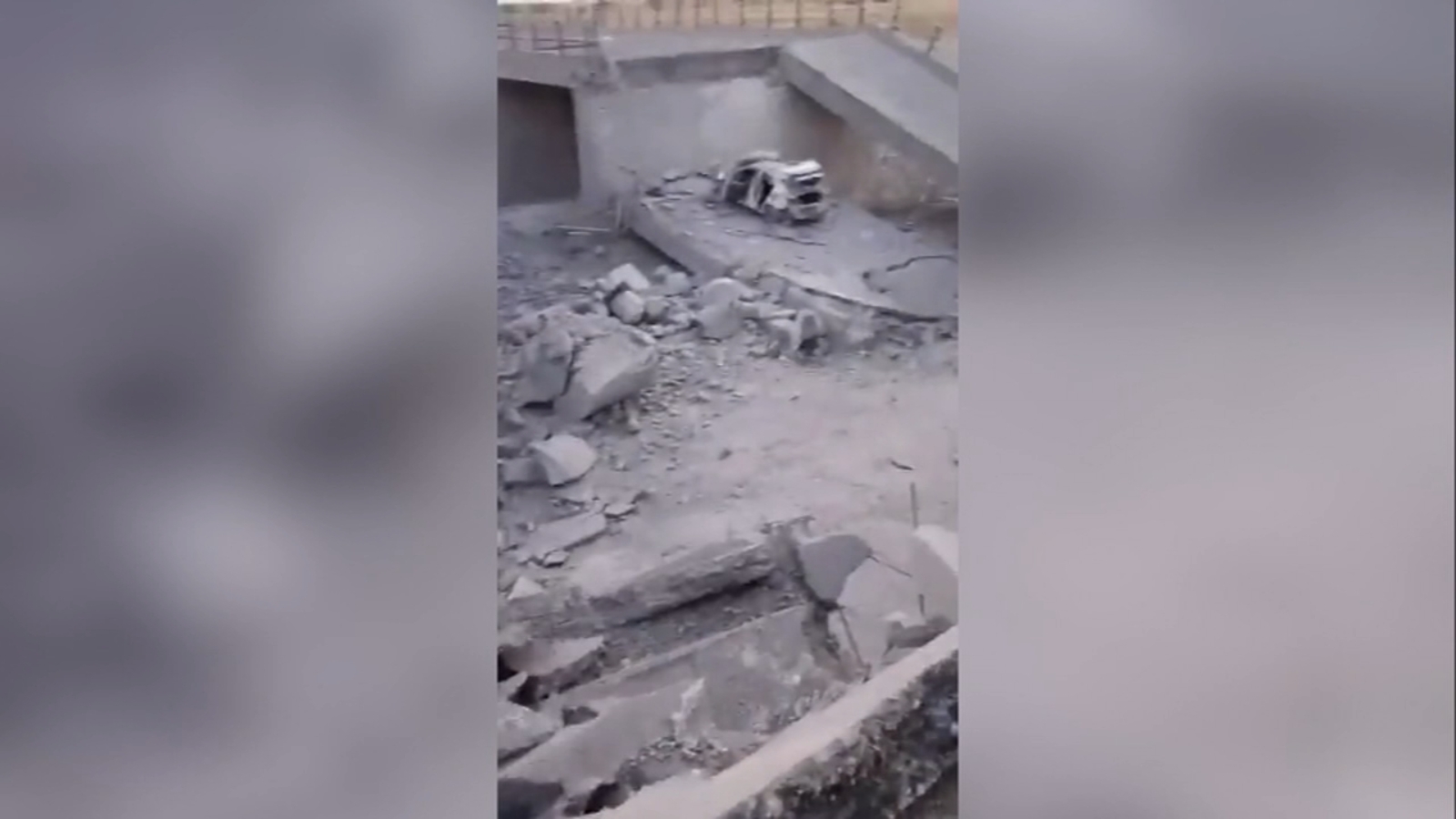
On Friday, July 17, 2026, U.S. Central Command confirmed that recent operations focused on degrading Iranian military logistics and maritime surveillance capabilities. Strikes hit highway and railway bridges in the southern Hormozgan province, specifically targeting infrastructure surrounding Bandar Khamir and Bandar Abbas. These attacks appear designed to isolate Iran’s main port from the country’s interior and the capital, Tehran. Further operations resulted in the destruction of a maritime surveillance tower at the Chabahar port on the Gulf of Oman. While Iranian state media reported that the facility overseen by the Revolutionary Guard managed commercial traffic, the U.S. Military maintained that the site functioned as a surveillance node used to track and target
merchant vessels.
Related media
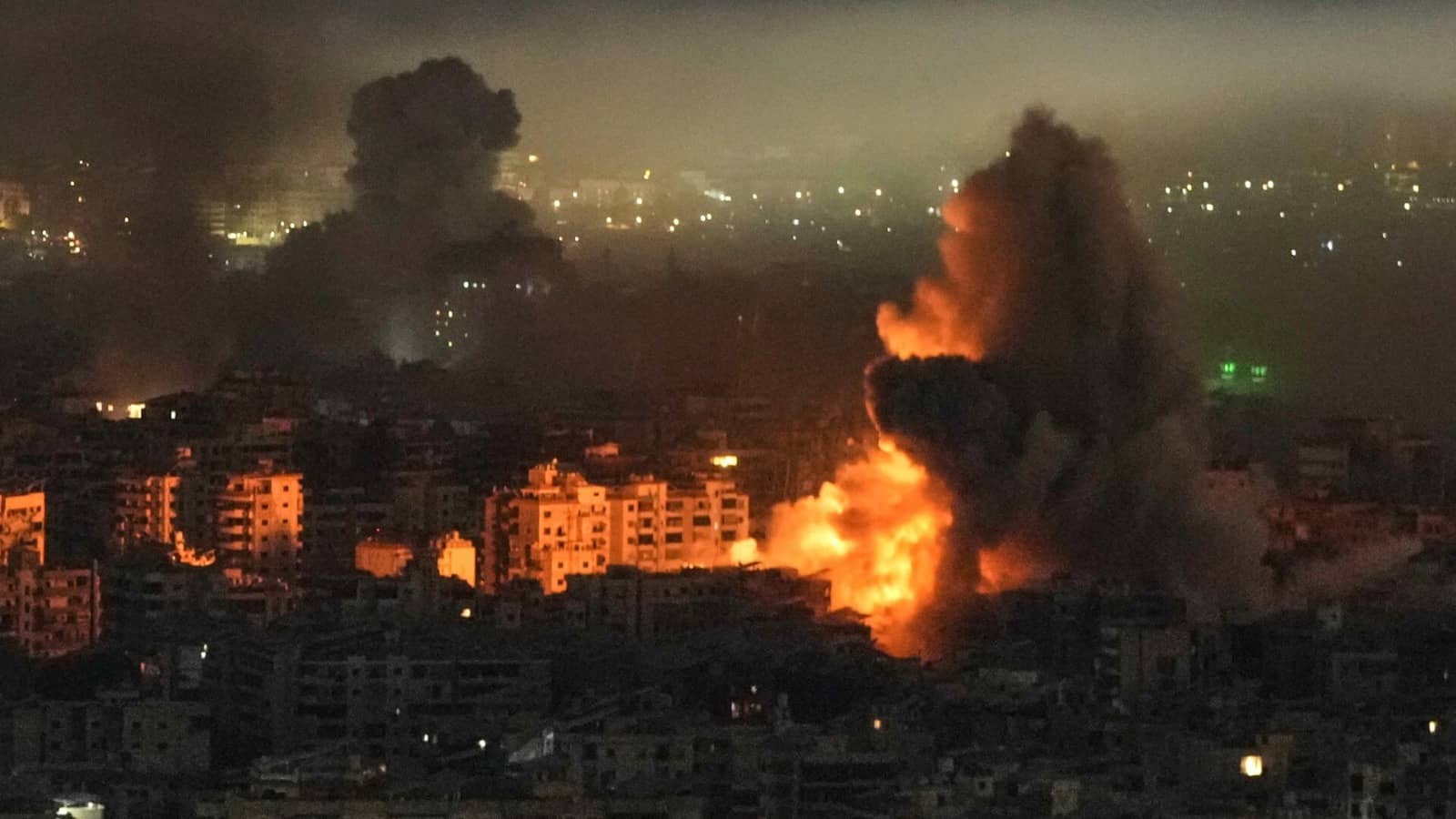
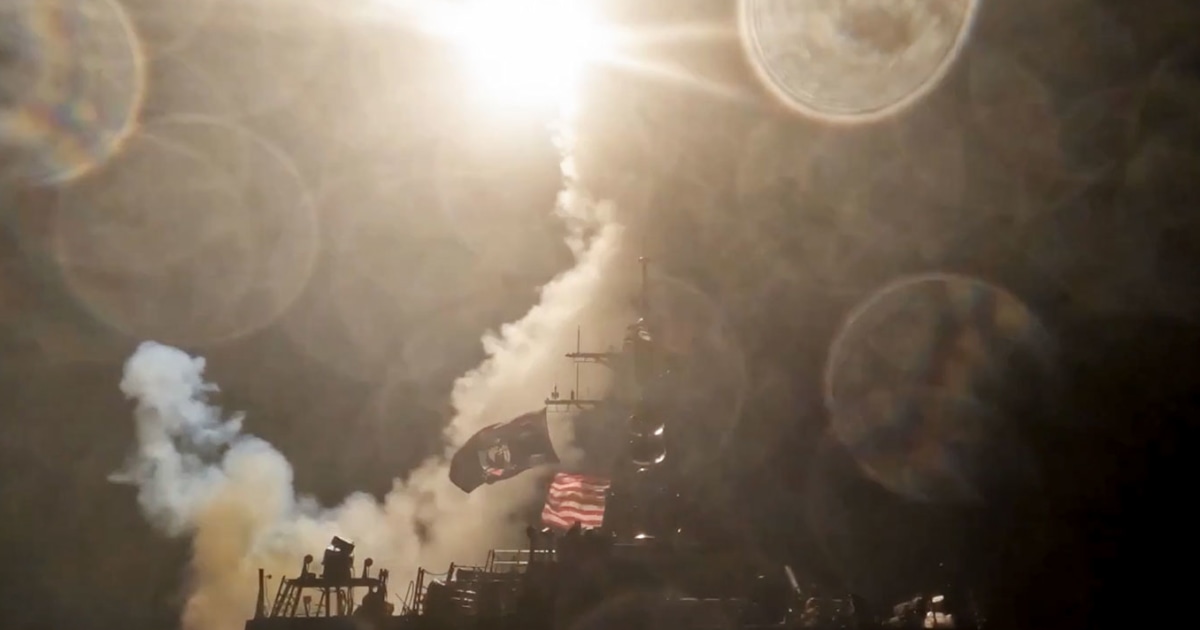
For the first time since the war began, the Iranian Energy Ministry acknowledged damage to its power grid on July 17, requesting that residents in southern provinces reduce electricity consumption to manage extreme temperatures and the loss of supply facilities. Iranian officials reported that at least 46 people have been killed and more than 400 wounded in recent U.S. Strikes. U.S. Officials acknowledged that 13 additional U.S. Service members — 10 Army soldiers and three Navy sailors — had been injured since Monday. Since the war began, 14 U.S. Service members have been killed and 427 wounded.
Regional Retaliation
The conflict has expanded into neighboring territories as Iran launched missiles and drone strikes against U.S.-allied nations. In Kuwait, authorities reported damage to a power and water desalination plant, a critical facility given the nation's reliance on desalination for 90% of its drinking water. In Qatar, falling debris from intercepted missiles wounded a child, according to the country's interior ministry. Explosions were also reported in Iraq’s Kurdistan region, where the Iranian Kurdish group Komala reported nine fatalities among its ranks on July 17. Jordan’s military reported intercepting three incoming missiles on the same day.
Shipping and Market Impact
The naval blockade re-established by the U.S. Earlier this week has significantly altered traffic in the Strait of Hormuz. Commercial ships are increasingly avoiding the waterway due to security fears and conflicting navigation requirements; Iran demands vessels follow a route near its coast under its authority, while the U.S. Advocates for a route along the Omani coast. Global energy markets have responded to the instability, with Brent crude rising above $86 a barrel on July 17.
Official Perspectives
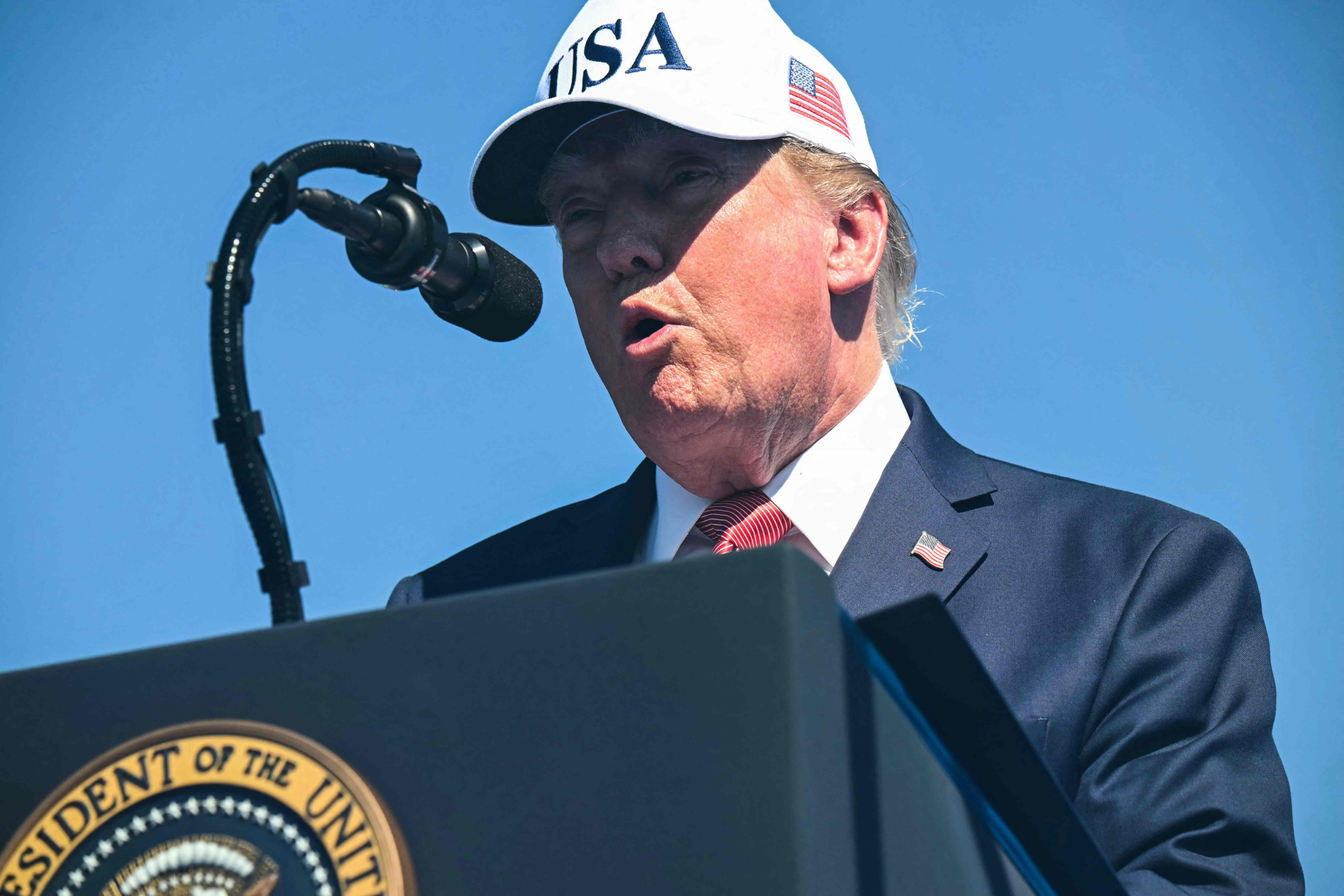
President Donald Trump, speaking to the public on July 16, insisted the war was going well.
The United Nations has expressed concern regarding the targeting of civilian infrastructure, with a spokesperson for the U.N. Secretary-General describing such attacks as"We are likewise winning big in Iran, and you will see the fruits of that labor very, very shortly."
Donald Trump, President of the United States, via public address
unacceptable.
What to Watch Next
- Military Operations: Whether the U.S. Will expand strikes beyond southern infrastructure toward central Iranian power grids.
- Diplomatic Status: Whether the ongoing blockade and military strikes lead to a resumption of substantive negotiations or a further degradation of the regional energy supply chain.
- Shipping Safety: The response of global oil shippers as reports of mine activity and vessel interference continue in the Strait of Hormuz.
- Regional Alliances: The security response from Kuwait, Qatar, and Jordan as they grapple with the direct impact of Iranian missile and drone strikes.
Archypedia is dedicated to independent, evidence-backed reporting. This briefing was synthesized from primary source reporting, corroborated across independent newsrooms, and verified against our Editorial Standards.
Transparency record
Evidence behind this report
This report synthesizes 6 distinct sources. Open the source ledger below to compare the underlying coverage.
Prepared under the Archypedia Editorial Policy by the Samir Haddad editorial desk profile. AI-assisted tools may support drafting and verification; public accountability remains with Archypedia. Report an error.