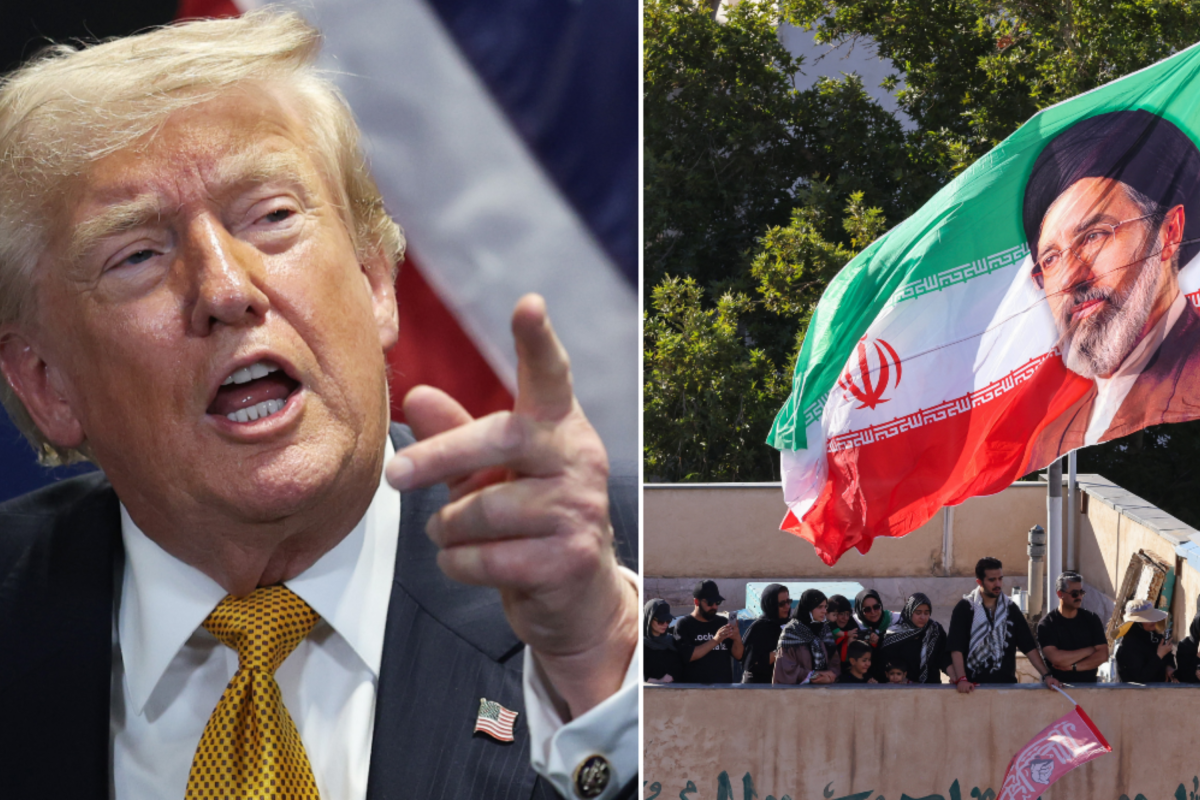
US demands Iran publicly state that Strait of Hormuz is open
Washington has demanded that Iran guarantee open international transit through the Strait of Hormuz following the collapse of an interim ceasefire. This comes as military strikes and regional hostilities continue to escalate.
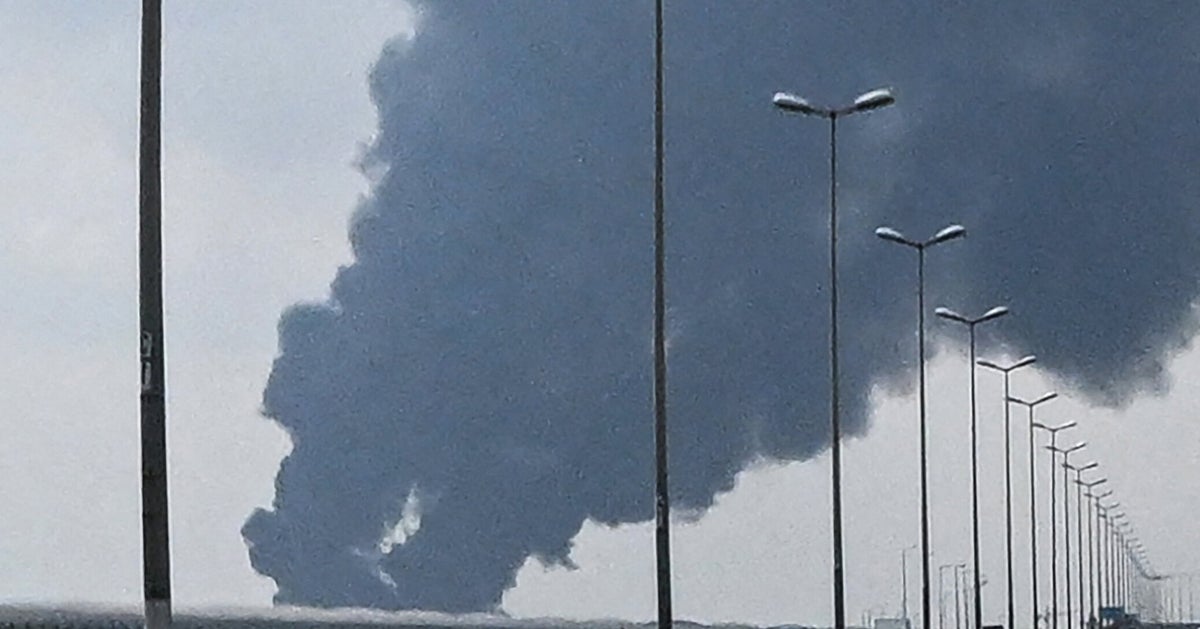
Washington is applying intensified pressure on Tehran to issue a formal, public declaration that the Strait of Hormuz remains open for international traffic and that Iranian forces will cease all hostile actions against merchant vessels. This demand, disclosed by senior U.S. Officials on Friday, July 10, 2026, marks the latest attempt by the Trump administration to stabilize a critical energy corridor that has been the site of recurring military escalation since the conflict began on February 28, 2026.
The U.S. Demand arrives amid a collapse of the interim ceasefire deal. President Donald Trump, speaking via social media on Friday, July 10, 2026, declared that he views the interim ceasefire deal as OVER!
While the president indicated that diplomatic channels remain open to seek a permanent end to the war, he has limited the timeframe for negotiators to achieve a breakthrough, warning that the U.S. Retains a range of military options should diplomacy fail.
Related media
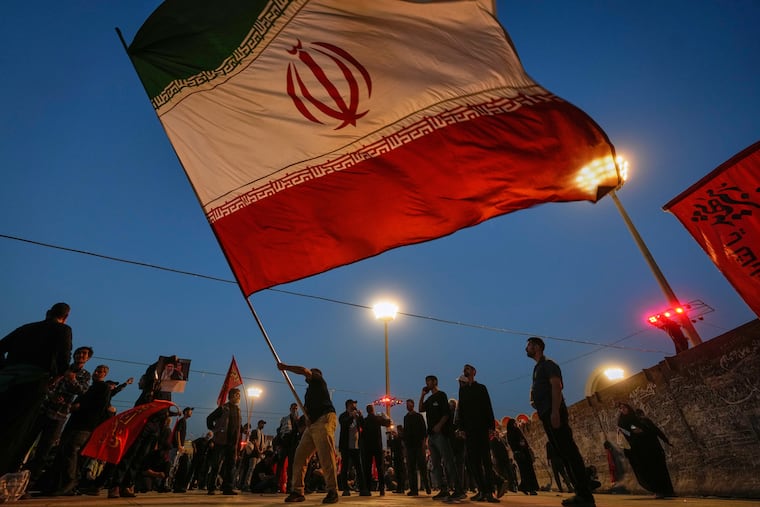
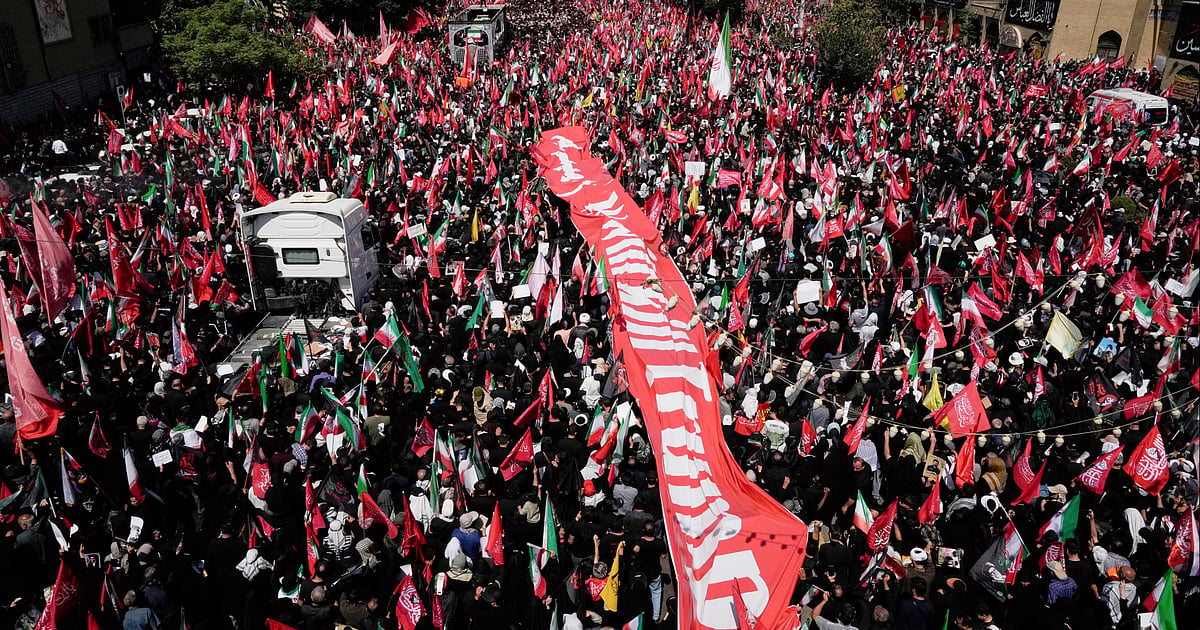
Escalating Tensions and Strategic Disagreements
The situation in the Strait of Hormuz has become a focal point of the ongoing power struggle. Iran has asserted that the waterway must operate under its sole authority, with officials suggesting that vessels should be required to pay transit fees to Tehran. This stance stands in direct opposition to the international community’s long-standing view of the passage as open, international water. Ambassador Amir Saeid Iravani, Tehran’s diplomat at the United Nations, stated on July 10, 2026, that any activity related to the strait, including demining or navigation oversight, rests exclusively with Iran.
The U.S. Continues to counter these claims by urging mariners to utilize a southern shipping lane through Omani territorial waters. On Friday, July 10, 2026, the Joint Maritime Information Center, a body overseen by the U.S. Navy, issued an advisory to mariners confirming that this route remains available, despite a series of attacks on merchant ships earlier in the week that prompted retaliatory strikes from Washington.
A Mystery Over New Airstrikes
While the U.S. Military announced on Thursday, July 9, 2026, that it had completed a round of strikes against 90 targets, reports of additional explosions across southern Iran—including Bushehr, Sistan and Baluchestan, Ahvaz, and Chabahar—emerged shortly thereafter. These subsequent strikes remain unclaimed.
Though Tehran has not officially blamed a specific nation, Esmail Kousari, a member of the Iranian parliament’s national security committee, issued a warning to the United Arab Emirates on Friday, July 10, 2026, stating the country would pay the price for its cooperation with the United States.
Kousari alleged that the Emirates held a behind-the-scenes
role in the U.S. Campaign. Gulf Arab states have consistently denied active military participation in the U.S. War effort, though historical precedents exist; during the broader conflict, both Saudi Arabia and the UAE were acknowledged to have launched retaliatory strikes after Iranian attacks on their own energy infrastructure.
Regional Outlook and Military Posture
The latest exchange of fire has reverberated across the region. On Thursday, July 9, 2026, Iran launched a series of attacks targeting Bahrain, Jordan, Kuwait, and Qatar. While Kuwait reported one injury as its air defenses intercepted incoming projectiles, the strikes have heightened regional instability. In response, UAE leader Sheikh Mohammed bin Zayed Al Nahyan traveled to Kuwait to meet with its ruling emir, while Israeli Defense Minister Israel Katz reiterated on July 10, 2026, that Israel remains prepared to act with even greater force
if the military campaign against Iran is renewed.
| Date | Event |
|---|---|
| February 28, 2026 | Start of the Iran-U.S. Conflict. |
| Mid-June 2026 | Memorandum of understanding signed for a 60-day ceasefire. |
| July 9, 2026 | U.S. Concludes strikes on 90 targets; Iran retaliates against Gulf states. |
| July 10, 2026 | U.S. Formally demands Iran publicly declare the Strait open. |
What to Watch Next
- Diplomatic Talks: Iranian Foreign Minister Abbas Araghchi is scheduled to meet his Omani counterpart on Saturday, July 11, 2026, to discuss the status of the Strait of Hormuz.
- International Mediation: Efforts led by Qatar and Pakistan to mediate between Tehran and Washington continue, despite the public skepticism voiced by President Trump.
- Nuclear Negotiations: U.S. Officials indicated that any potential nuclear deal remains contingent on Iran abiding by the ceasefire terms and handing over its stockpile of highly enriched uranium.
Archypedia is dedicated to independent, evidence-backed reporting. This briefing was synthesized from primary source reporting, corroborated across independent newsrooms, and verified against our Editorial Standards.
Transparency record
Evidence behind this report
This report synthesizes 5 distinct sources. Open the source ledger below to compare the underlying coverage.
Prepared under the Archypedia Editorial Policy by the Samir Haddad editorial desk profile. AI-assisted tools may support drafting and verification; public accountability remains with Archypedia. Report an error.