US and Iran hold indirect talks to revive ceasefire amid maritime tensions
President Trump confirmed that US-Iran negotiations will continue despite declaring the June ceasefire void, as military tensions escalate in the region.

The diplomatic trajectory between Washington and Tehran faces renewed uncertainty as of Friday, July 10, 2026. Following an intense week of military exchanges, President Donald Trump announced that the United States has consented to a request from Iran to continue negotiations, even as he declared the June ceasefire agreement effectively void.
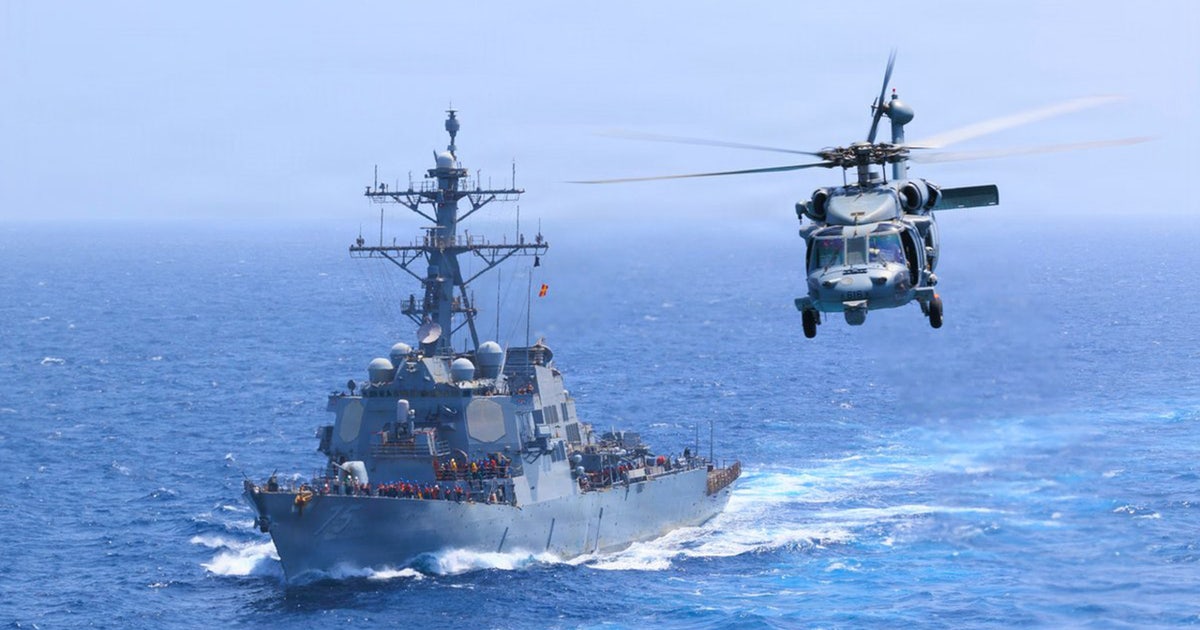
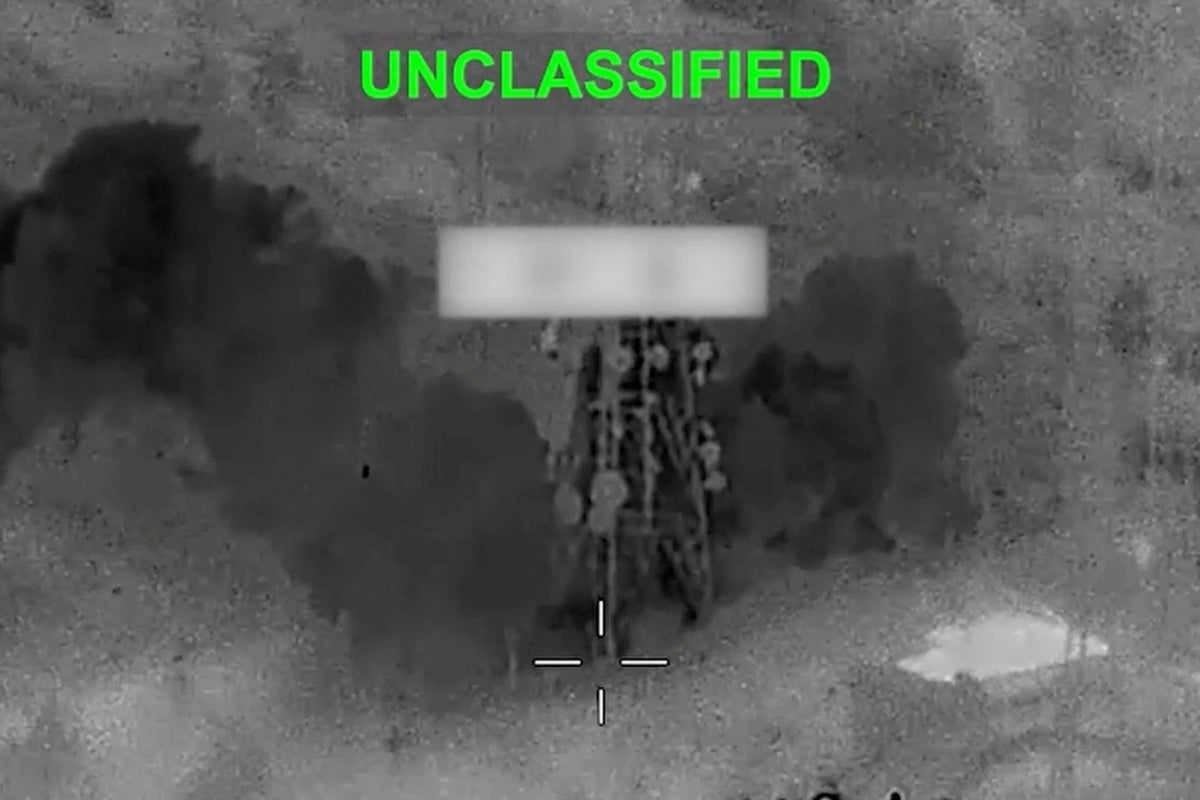
The current impasse follows a surge in hostilities centered on the Strait of Hormuz. The U.S. Military reported targeting 170 sites this week, including logistics infrastructure and air defenses, in response to attacks on three commercial vessels operating in the region.
Related media

Status of Diplomatic Channels
Despite the rhetoric, indirect communication channels remain active. Qatari mediators arrived in Mashhad, Iran, on Friday to engage with Iranian officials, including Foreign Minister Abbas Araghchi, in an attempt to stabilize the mediation process. While the U.S. Has confirmed the continuation of these indirect talks, Iranian officials have provided conflicting reports. Some sources close to the Iranian negotiating team dismissed claims that new technical discussions were finalized for the coming week, insisting that official communication would be the only source of confirmed progress.
In his Truth Social statement, the President asserted:
"The Islamic Republic of Iran has asked us to continue 'talks.' We have agreed to do so, but the United States has stated to them, in no uncertain terms, that the Cease Fire is OVER!"
Donald Trump, President of the United States, via Truth Social
Maritime and Economic Impact
The conflict continues to disrupt global energy logistics. Shipping traffic through the Strait of Hormuz fell to 34 vessels on Thursday, the lowest daily level since June 28. The United States maintains that the southern route through the strait remains open and does not require coordination with Iranian forces, though Tehran has sought to enforce control and charge fees for passage through the waterway.
Market reactions reflect this instability. Gasoline prices in the U.S. Rose to $3.88 per gallon on Friday, according to AAA, as energy markets grapple with the potential for prolonged disruption. Meanwhile, shipping giant Maersk announced the resumption of services through the Suez Canal in an attempt to bypass the risks associated with the Persian Gulf, though vessels already trapped inside the Gulf remain dependent on the volatile strait.
Regional Tensions
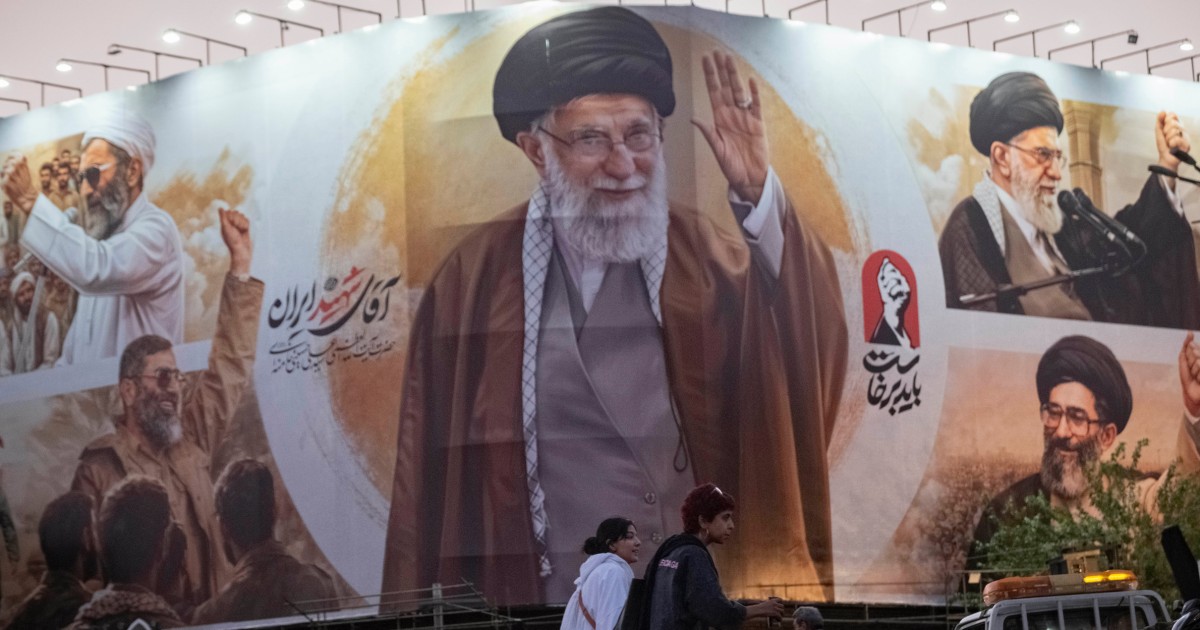
The flare-up coincides with a period of internal transition for the Islamic Republic following the burial of former Supreme Leader Ali Khamenei in Mashhad on Thursday. Iranian Parliament Speaker Mohammad Bagher Ghalibaf signaled a defiant stance, stating that the nation is prepared for "all-out defence" and will not surrender to external pressure.
Furthermore, regional dynamics remain complicated by accusations of involvement by neighboring states. Iranian lawmakers have issued warnings to the United Arab Emirates, alleging support for U.S. Military actions. The U.S. Treasury Department intensified pressure on Friday by sanctioning Iranian financier Ali Ansari, accusing him of managing a network that diverts wealth to the Revolutionary Guard Corps and state leadership.
What to Watch Next
- Diplomatic Missions: Iranian Foreign Minister Abbas Araghchi is scheduled to travel to Oman on Saturday to discuss maritime security and regional relations.
- Maritime Traffic: Monitoring the volume of commercial vessels choosing the "protected" southern route versus the northern route controlled by Iranian forces.
How significant is this development?
Contribute your assessment to the aggregated reader intelligence ledger.
Archypedia is dedicated to independent, evidence-backed reporting. This briefing was synthesized from primary source reporting, corroborated across independent newsrooms, and verified against our Editorial Standards.
Transparency record
Evidence behind this report
This report synthesizes 12 distinct sources. Open the source ledger below to compare the underlying coverage.
- cbsnews.com
- timesnownews.com
- malaysia.news.yahoo.com
- nbcnews.com
- straitstimes.com
- tass.com
- aljazeera.com
- timeskuwait.com
- yahoo.com
- express.co.uk
- abc.net.au
- irishtimes.com
Prepared under the Archypedia Editorial Policy by the Samir Haddad editorial desk profile. AI-assisted tools may support drafting and verification; public accountability remains with Archypedia. Report an error.