Trump continues Iran talks but insists ceasefire is over
U.S. and Iranian envoys are engaging in indirect diplomatic talks following an intense exchange of military strikes and the revocation of oil waivers. The negotiations continue as tensions remain high over maritime security in the Strait of Hormuz.
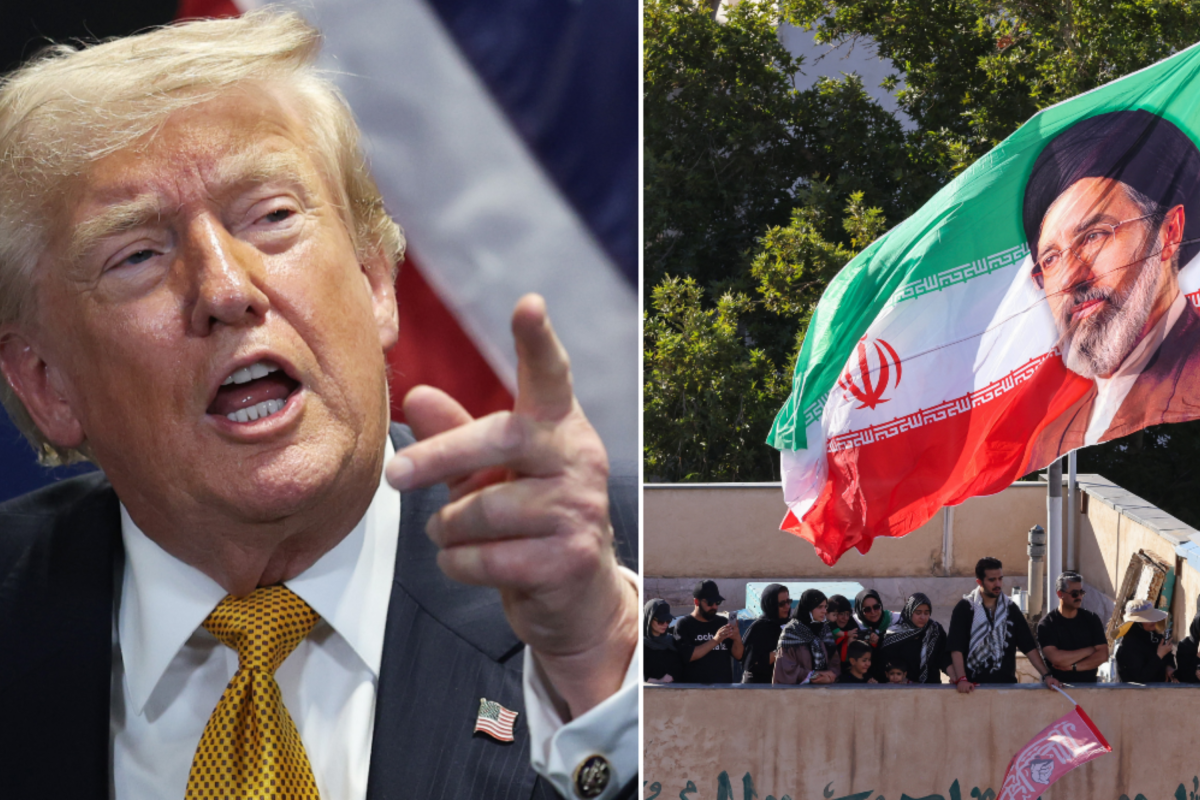
President Donald Trump stated on Friday that the United States has agreed to a request from Iran to continue negotiations regarding a potential peace deal, even as he reiterated his stance that the existing ceasefire is “over.” This shift follows an intense series of military strikes that have strained the memorandum of understanding signed in mid-June. That agreement, intended to provide a 60-day window for diplomatic discussions, had aimed to address Iran’s nuclear ambitions and the security of the Strait of Hormuz.
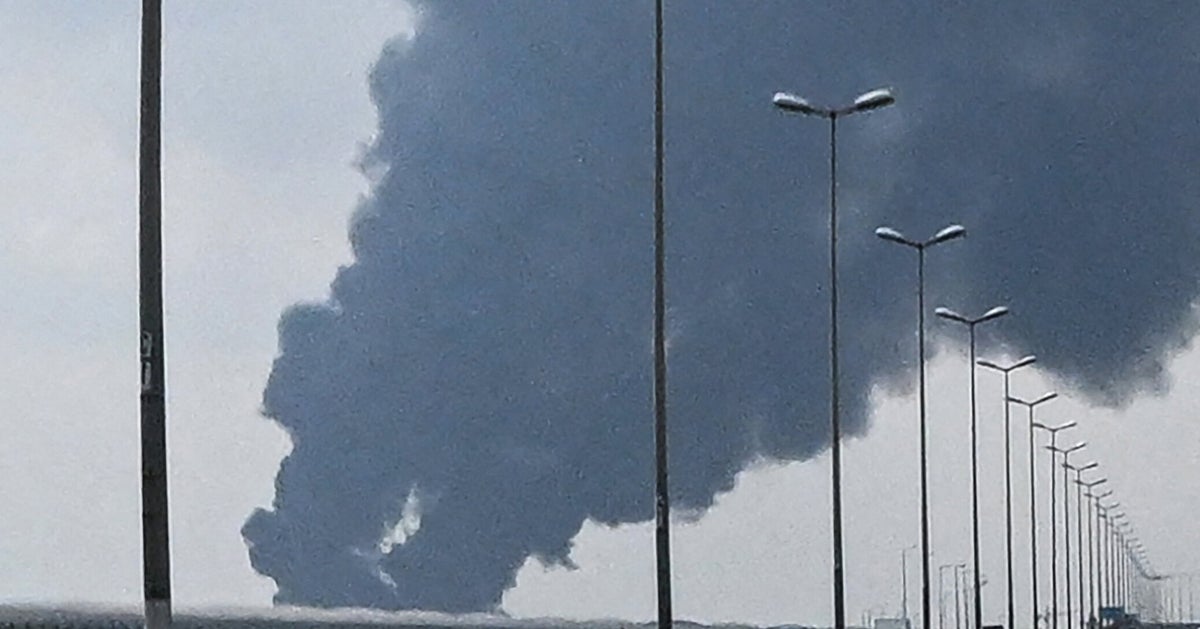
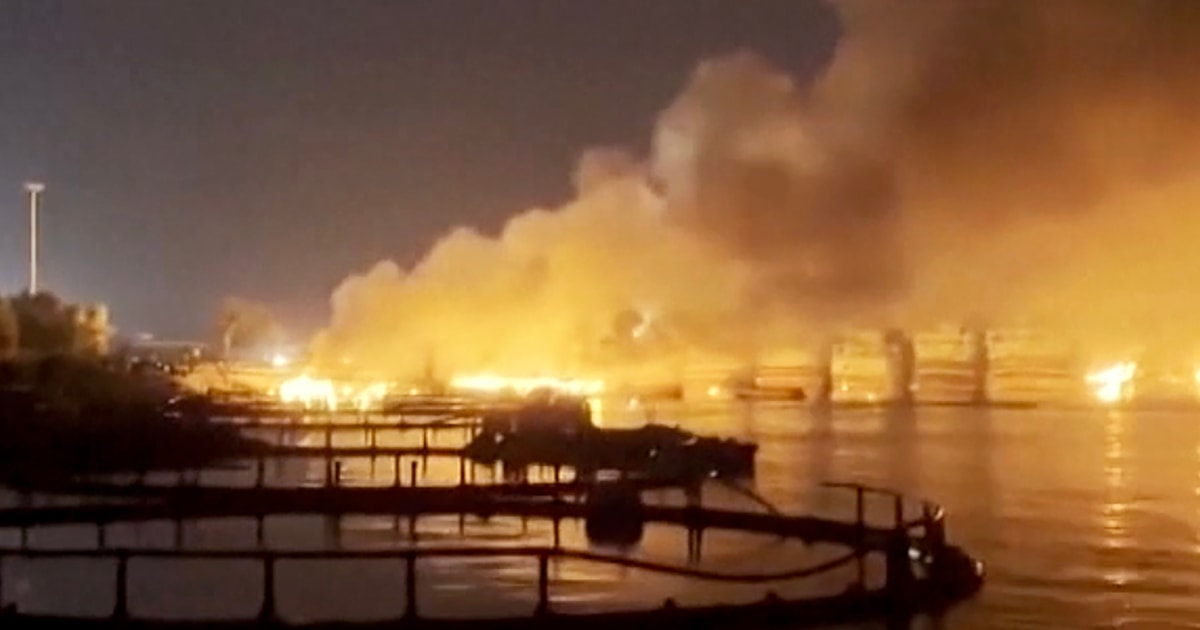
The latest cycle of violence began early this week when Iran targeted three commercial vessels in the Strait of Hormuz. In retaliation, U.S. Central Command conducted two days of strikes on approximately 170 targets along the Iranian coast, including air defense, naval assets, and logistics infrastructure. Iran subsequently launched missiles and drones toward U.S. Allies in Bahrain, Kuwait, and Jordan.
Related media


The diplomatic status of the region remains volatile. Although President Trump remarked at a NATO summit in Turkey that dealing with Iran was a "waste of time," he confirmed that U.S. Envoys, including Jared Kushner and Steve Witkoff, would continue discussions. Sources familiar with the situation indicated that these talks are being conducted indirectly through Qatari mediators. A Qatari delegation has reportedly traveled to Iran to stabilize the mediation process, even as Tehran continues to mourn the death of former Supreme Leader Ayatollah Ali Khamenei.
The conflict has had immediate economic consequences. Global markets responded to the instability, with Brent crude oil prices rising 6% to $74.50 per barrel on July 8, as concerns grow over the security of maritime transit. Lloyd’s List reported that traffic through the southern route of the Strait of Hormuz has fallen sharply since the exchanges of fire began. Despite the U.S. Navy’s recent advisory informing mariners that the southern route remains open and does not require coordination, tracking data suggests that commercial interest in the passage has significantly declined.
Disagreements persist regarding the future of the memorandum of understanding. Iranian officials, including parliament speaker Mohammad Bagher Ghalibaf, have accused the U.S. Of violating the agreement’s terms, while U.S. Officials maintain that the ceasefire was performance-based and that Iran’s actions in the strait failed to meet acceptable standards.
What to Watch Next
- Mediated Talks: Qatari officials are working to maintain communication channels between Washington and Tehran to prevent a full return to pre-February 28 combat levels.
- Shipping Security: The international Joint Maritime Information Center continues to monitor the Strait of Hormuz, where the security threat level is currently categorized as severe.
- Internal Iranian Politics: Observers are tracking the consolidation of power under the new supreme leader, Mojtaba Hosseini Khamenei, following the conclusion of the senior Khamenei’s funeral rites.
- Military Posture: President Trump has threatened that further escalation could lead to strikes on critical Iranian infrastructure, such as desalination and electric plants, should hostilities resume.
As the region navigates the post-funeral period, the technical negotiations appear to be the only remaining mechanism holding the peace process in place. The situation remains significantly more volatile than it was in late June, and regional mediators are continuing their efforts to prevent the current cycles of escalation from collapsing into a renewed full-scale war.
The subsequent mid-June memorandum of understanding, which saw both sides agree to a temporary halt in hostilities, also included a U.S. Pledge to lift its naval blockade and open the Strait of Hormuz. That agreement also provided a temporary waiver for Iran to sell oil on the global market—a provision the U.S. Treasury revoked on July 7, the same day that new rounds of strikes commenced. While the U.S. Government maintains that its current actions are a response to Iranian aggression against commercial shipping, Iranian officials continue to claim that U.S. Operations against their territory constitute war crimes.
How significant is this development?
Contribute your assessment to the aggregated reader intelligence ledger.
Archypedia is dedicated to independent, evidence-backed reporting. This briefing was synthesized from primary source reporting, corroborated across independent newsrooms, and verified against our Editorial Standards.
Transparency record
Evidence behind this report
This report synthesizes 7 distinct sources. Open the source ledger below to compare the underlying coverage.
Prepared under the Archypedia Editorial Policy by the Samir Haddad editorial desk profile. AI-assisted tools may support drafting and verification; public accountability remains with Archypedia. Report an error.