Israel warns US of new Iranian plot to assassinate Donald Trump
U.S. officials are investigating intelligence shared by Israel regarding a specific, actionable Iranian plan to target President Donald Trump.
Intelligence shared by Israel with the United States this week has alerted Washington to an alleged new Iranian plot to assassinate President Donald Trump. The warning, which arrived as a 60-day ceasefire between the U.S. And Iran appears to be disintegrating, adds a volatile layer to the ongoing international military and diplomatic crisis.
The intelligence, which officials say concerns a specific, actionable plan, has not been independently vetted or previously tracked by American agencies. While the U.S. Intelligence community has maintained a persistent watch on potential threats against current and former officials since the 2020 drone strike that killed Islamic Revolutionary Guard Corps Gen. Qassem Soleimani, the arrival of this specific report has prompted internal scrutiny. Some U.S. Officials suggested that the Israeli intelligence could be part of a broader effort by Jerusalem to influence President Trump’s decision-making as he weighs the potential for renewed, intensive military action against Tehran.
Related YouTube video

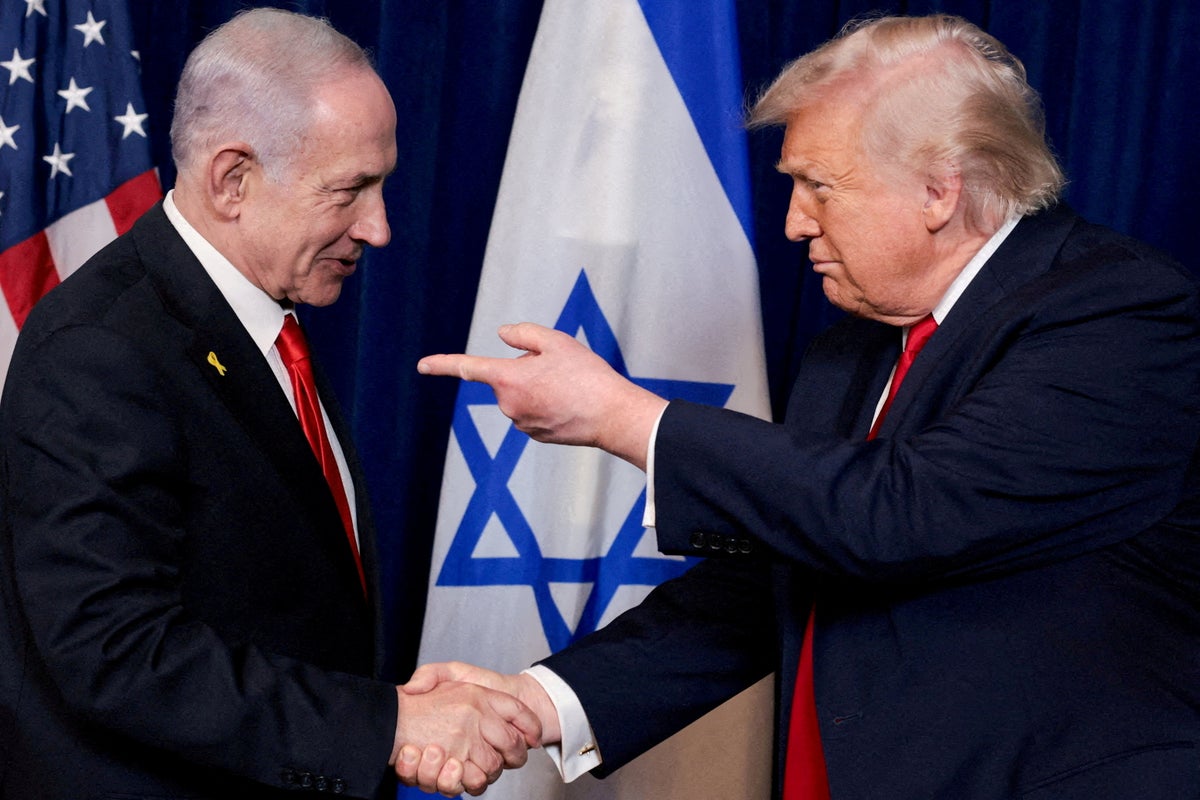
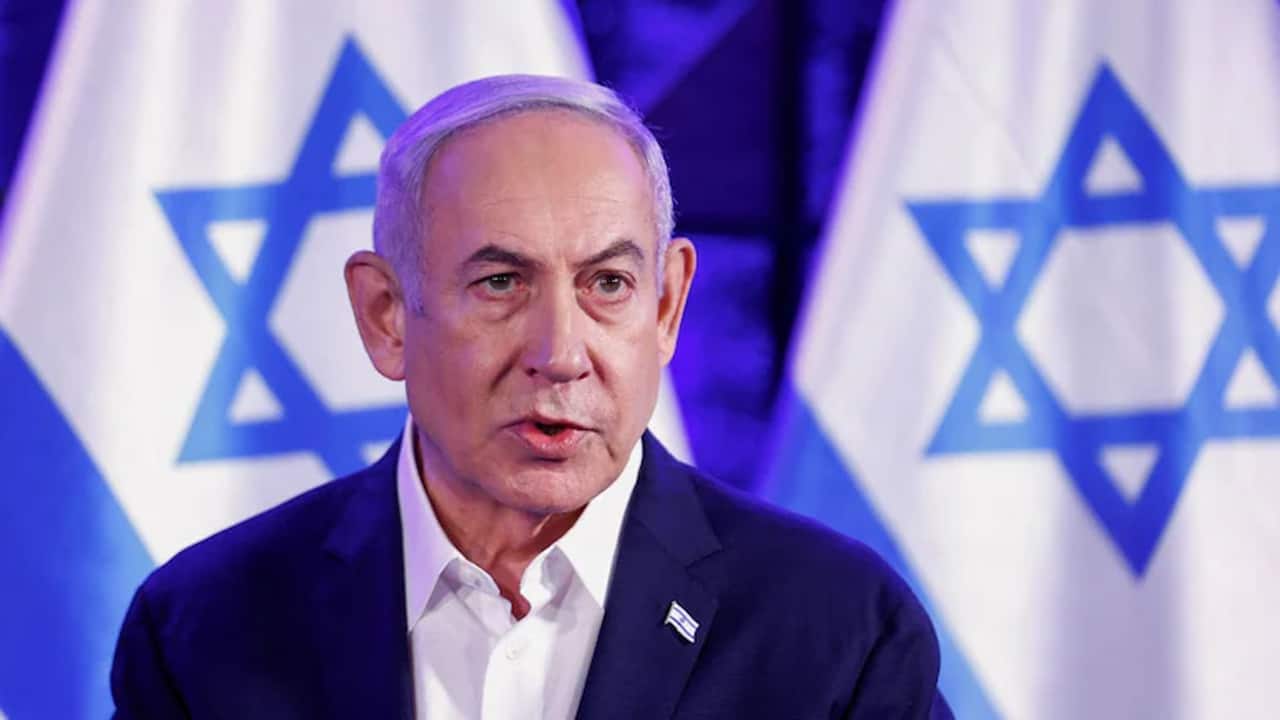
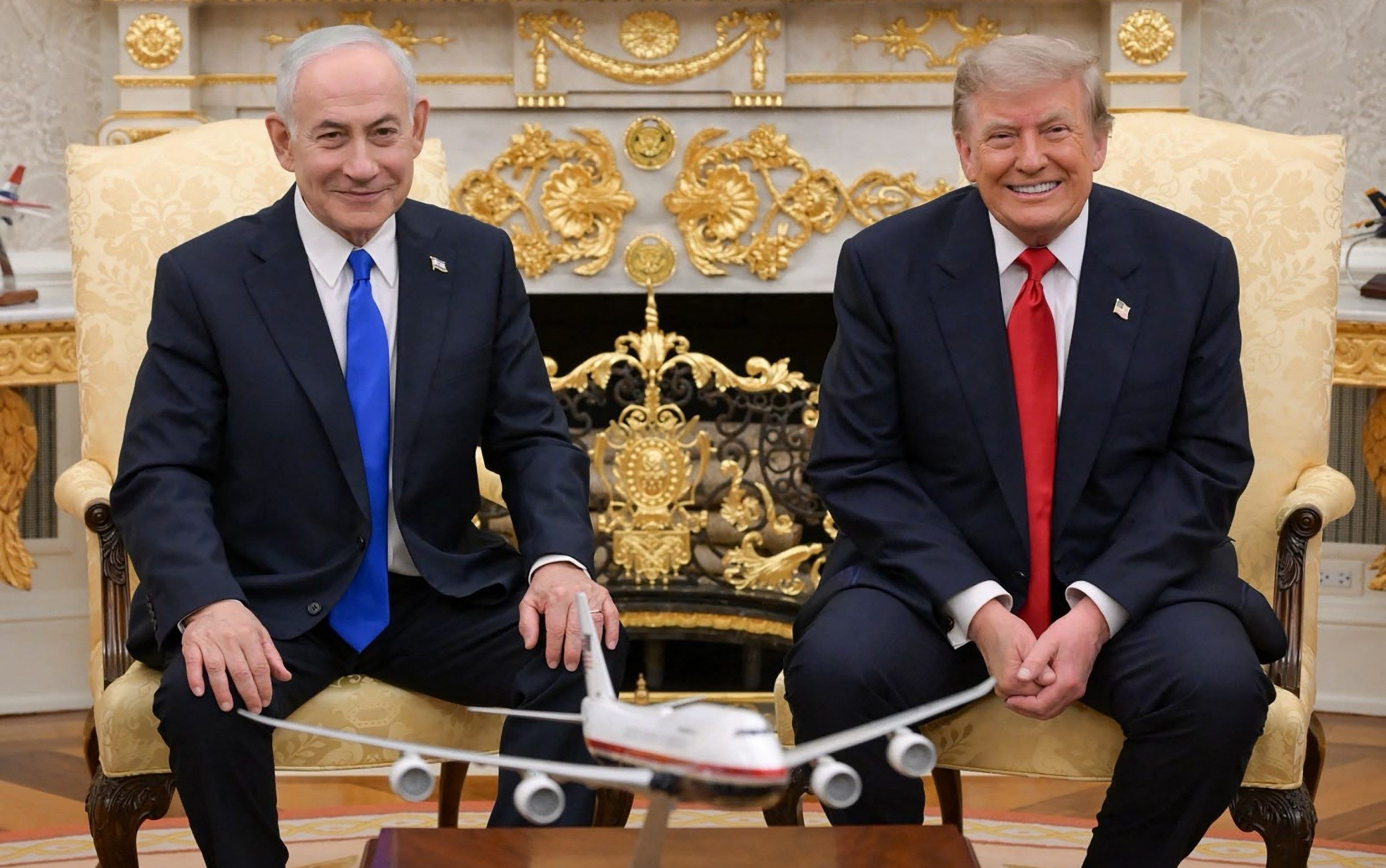
The disclosure follows a period of public discord between the White House and the office of Israeli Prime Minister Benjamin Netanyahu. While the two leaders spoke by phone on Thursday and pledged to maintain coordination, they have recently diverged on the strategic direction of the conflict. Mr. Netanyahu has consistently advocated for sustained military pressure on Iran, whereas Mr. Trump has signaled a desire to preserve a fragile ceasefire to avoid destabilizing the global economy.
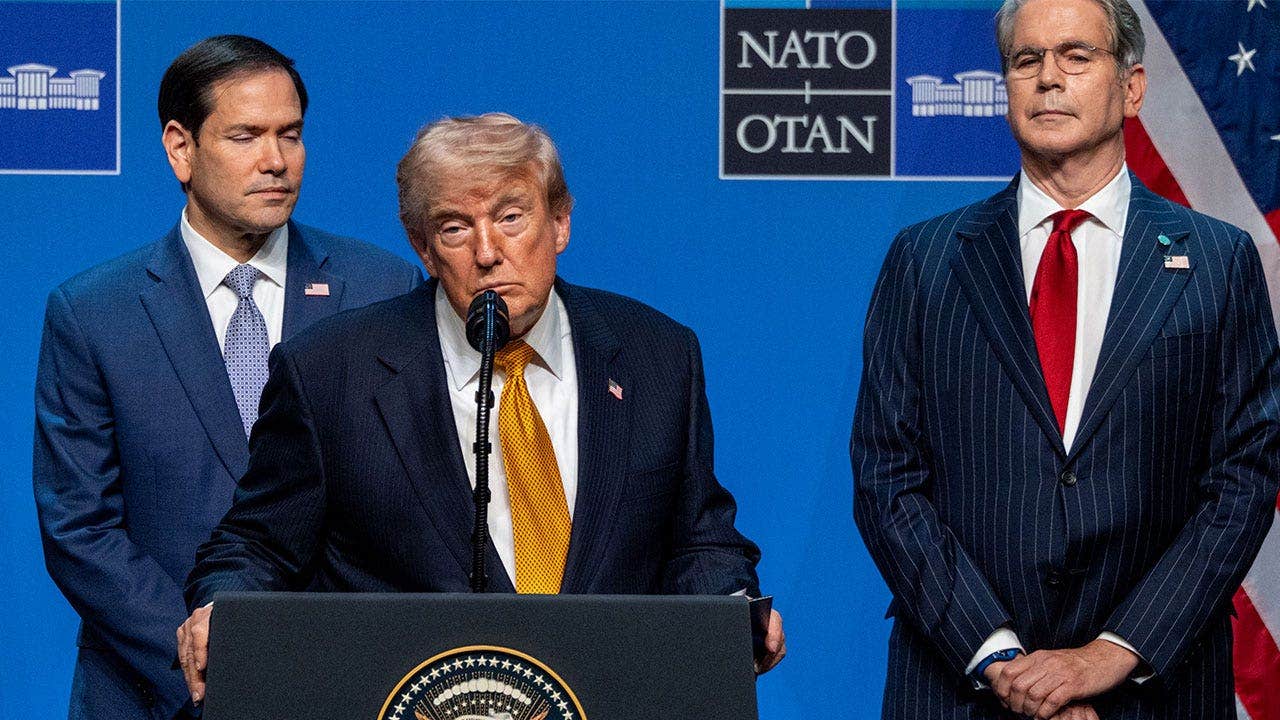
President Trump publicly addressed the threat landscape on Wednesday during a news conference at the NATO summit in Ankara, Turkey.
"They want to take out the U.S. leader — me. I’m on whatever list. I saw this morning I’m on every single one of their lists. And, so far, I guess I’ve been a bit lucky, but maybe that doesn’t last very long. These are evil, sick people. And we have to root out that cancer. That cancer. You know what you do? You’ve got to cut out cancer early. And that’s the way I feel."
Security concerns related to these threats appear to have influenced the President's recent travel. During his return from the NATO summit, Mr. Trump transitioned from his new Qatari-donated aircraft to a different plane. White House communications director Steven Cheung stated that the administration utilizes "every tool at our disposal" to address threats against the commander-in-chief, citing the use of "distraction and misdirection" to ensure his safety.
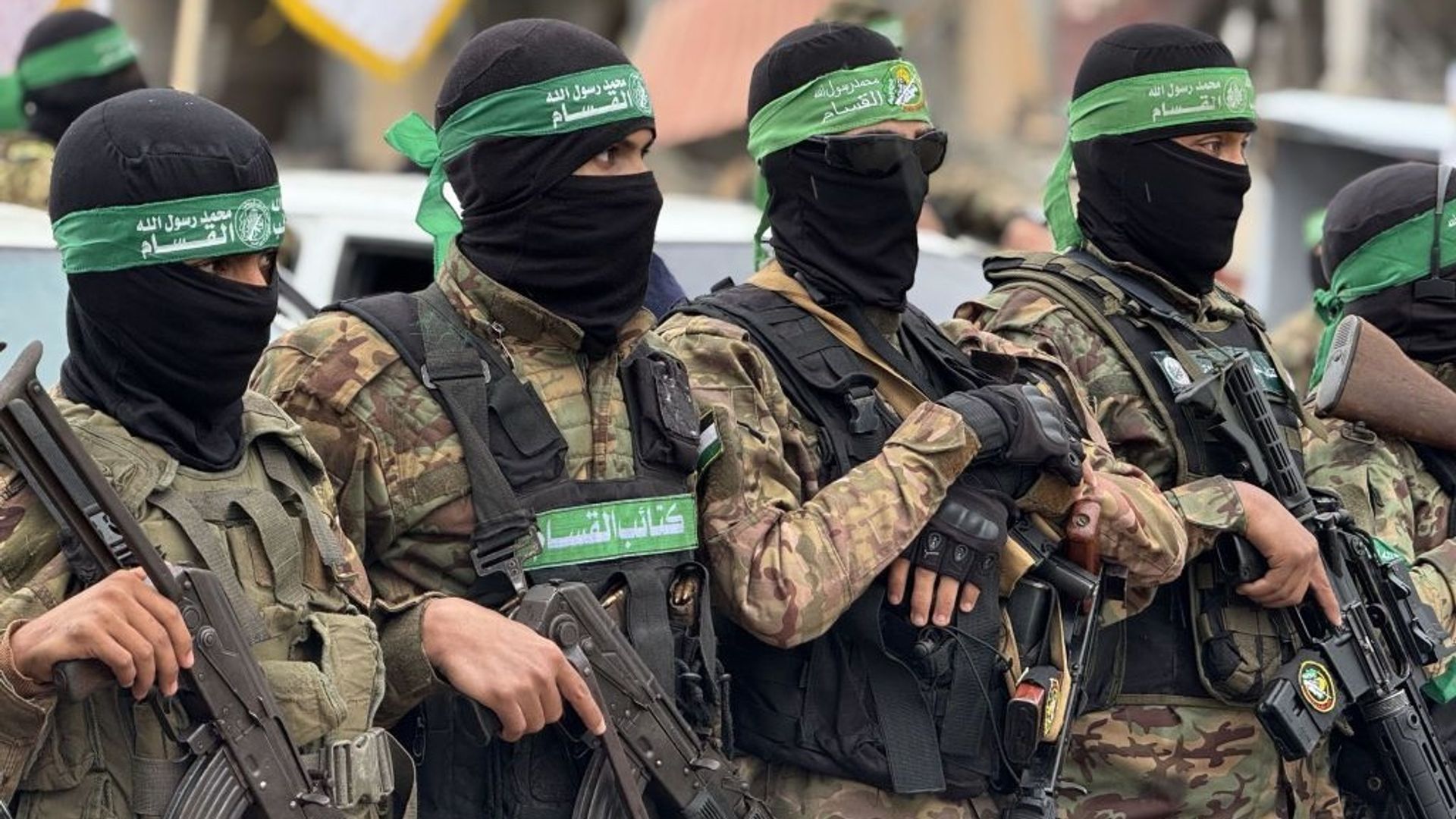
The climate of animosity is highly visible in Tehran. Following the death of Supreme Leader Ayatollah Ali Khamenei at the onset of the current war, funeral proceedings have featured explicit calls for retaliation. Mourners have been observed displaying banners that declare, "WE WILL KILL TRUMP," and, in some instances, placards depicting various U.S. And Israeli officials within the crosshairs of a gunsight.
The intelligence warning arrives at a critical juncture for U.S.-Iran relations:
- Diplomatic Status: President Trump declared the existing Memorandum of Understanding with Iran to be "over" on Wednesday, though officials indicate that behind-the-scenes negotiations remain active in pursuit of a potential nuclear deal by mid-August.
- Military Posture: Tensions have spiked following a resumption of hostilities. On the USS Abraham Lincoln, flight crews have been observed loading fighter jets with armaments and conducting drills, even as the U.S. Prioritizes diplomatic channels over immediate kinetic action.
- Strategic Rifts: Disagreements regarding the conduct of the war, particularly involving Lebanon, have caused friction between Washington and Jerusalem, which the current intelligence sharing may exacerbate or clarify.
The White House has declined to comment on the specifics of the reported plot, referring inquiries back to the President’s recent public statements. The Israeli embassy in Washington and the Iranian mission to the United Nations have also remained silent on the report.
What to watch next includes the anticipated visit of Prime Minister Netanyahu to Washington for further talks with President Trump. Additionally, market observers and military analysts remain focused on whether the "shattered" ceasefire will lead to a broader regional escalation or if the remaining diplomatic track can successfully reach the mid-August deadline for a nuclear agreement.
How significant is this development?
Contribute your assessment to the aggregated reader intelligence ledger.
Archypedia is dedicated to independent, evidence-backed reporting. This briefing was synthesized from primary source reporting, corroborated across independent newsrooms, and verified against our Editorial Standards.
Transparency record
Evidence behind this report
This report synthesizes 9 distinct sources. Open the source ledger below to compare the underlying coverage.
- foxnews.com
- yahoo.com
- nypost.com
- independent.co.uk
- hindustantimes.com
- aol.com
- keyt.com
- wjla.com
- jta.org
Prepared under the Archypedia Editorial Policy by the Samir Haddad editorial desk profile. AI-assisted tools may support drafting and verification; public accountability remains with Archypedia. Report an error.