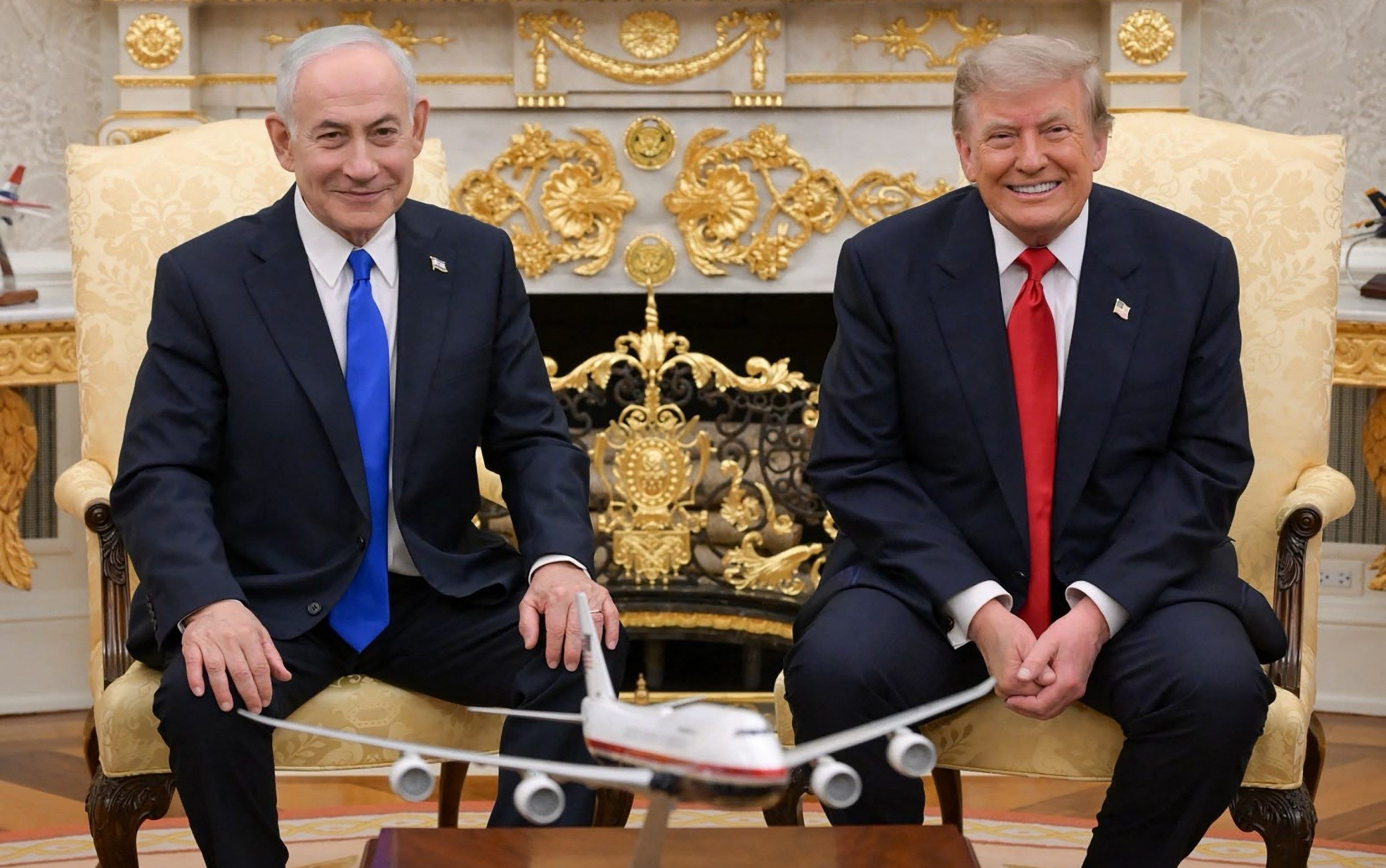
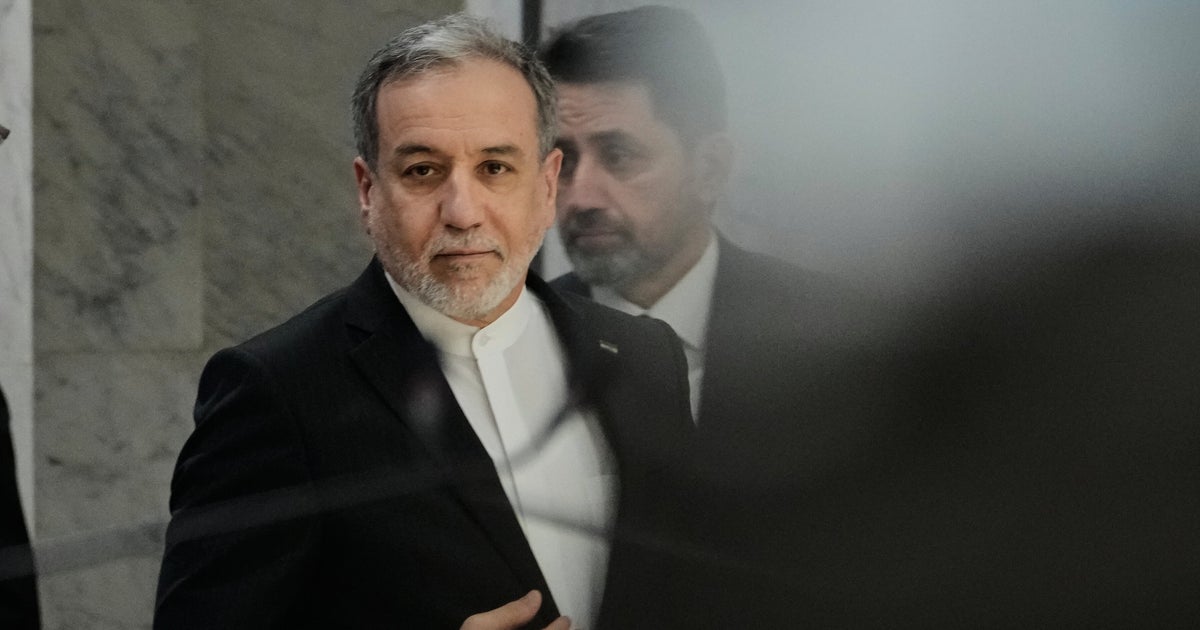
Syria and Israel hold US-mediated talks in Jordan to ease tensions
High-level delegations discussed a US-supervised 'special operations room' to prevent Syria from becoming a proxy battlefield for Israeli and Turkish rivalries.

Syria and Israel had agreed on paper to almost everything
around the beginning of the year, including arrangements for security zones in southern Syria and a buffer zone where only United Nations forces would be present.
The silence broke on Sunday, August 24, 2026, when a high-level Syrian delegation, led by Foreign Minister Asaad al-Shaibani and including the heads of general and military intelligence, met with Israeli officials in Jordan. According to reports from Al Jazeera and Khaleej Times, the U.S.-mediated talks aimed to establish practical mechanisms to halt Israeli strikes, arrests, and targeted operations while reviving negotiations for a lasting security agreement.
Related YouTube video
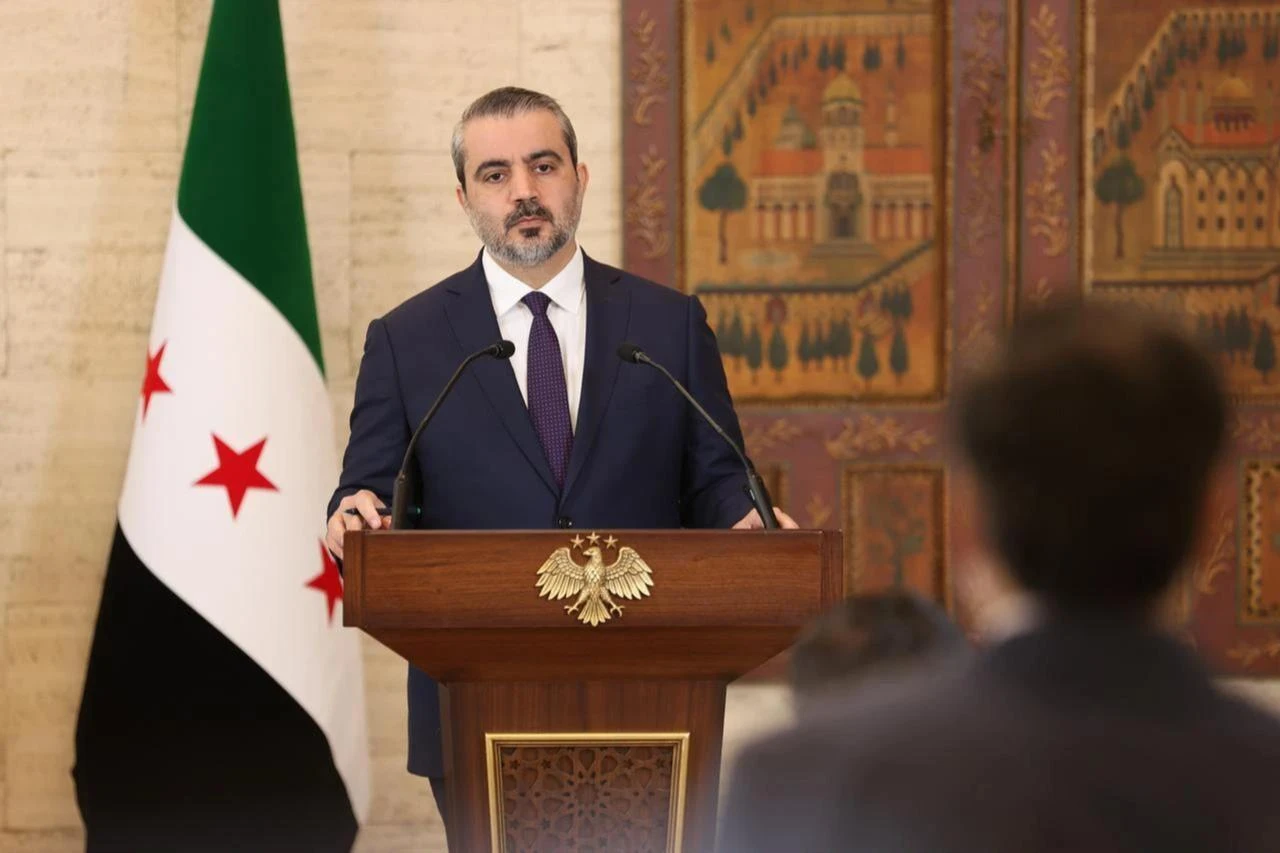

The renewed urgency follows the December 8, 2024, overthrow of Bashar al-Assad, which triggered a volatile shift in border dynamics. Since the fall of the previous regime, Israel has conducted hundreds of strikes on Syrian military sites and moved troops into the UN-patrolled buffer zone in the occupied Golan Heights.
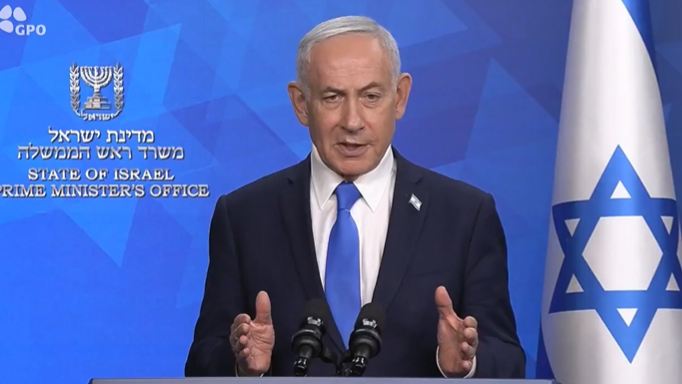
Tensions peaked last week when Israel bombed the Abu al-Duhur airbase in northwestern Idlib. Israel claimed the strike was necessary to prevent Turkish troops from deploying at the base, a claim both Syria and Turkey denied. The incident sparked a public exchange of barbs between Israeli Prime Minister Benjamin Netanyahu and Turkish President Recep Tayyip Erdogan.
To prevent Syria from becoming a proxy battlefield for the rivalry between Israel and Turkey, the Sunday talks reportedly discussed the creation of a special operations room
in Jordan under U.S. Supervision. This mechanism would be intended to monitor security coordination and border control to ensure Ankara-Tel Aviv tensions do not spill onto Syrian territory, according to Turkiyetoday.
Despite the diplomatic contact, the two sides remain locked in a clash over the fundamental nature of the new Syrian state. Syria's priorities are focused on sovereignty and the restoration of the status quo before the December 2024 collapse.
Conflicting Security Demands
| Syrian Demands | Israeli 'Red Lines' |
|---|---|
| Withdrawal to positions held before Dec. 8, 2024 | Prevention of Turkish military activity in Syria |
| Full restoration of the 1974 disengagement agreement | Maintaining a demilitarized Syrian side of the Golan Heights |
| Sovereign right to rebuild and develop the national army | Restrictions on Syria acquiring specific strategic weapons systems |
| Right to determine its own alliances and partnerships | Ensuring the security of the Syrian Druze community |
Damascus explicitly rejected any arrangements that would restrict its right to develop its armed forces, according to the state news agency SANA. Syria also reaffirmed its sovereignty over the Golan Heights, though it described discussions on the region's final status as premature.
Israel, meanwhile, has conditioned any withdrawal from occupied Syrian territories on diplomatic achievements
, as reported by Israeli media via Al Jazeera.
Hassan Mneimneh, a researcher at the Middle East Institute, told Al Jazeera that Israel is likely to use the current talks to introduce more demands through U.S. Negotiators, particularly regarding the expansion of Turkish presence in the north.
The talks in Jordan represent the first contact in months, but they occur against a backdrop of extreme regional volatility. The U.S. And Israel are currently engaged in an aggressive campaign against Iran, with Treasury Secretary Scott Bessent recently describing a financial offensive against Tehran as an economic D-Day
.
The immediate future of the security talks now depends on the outcome of an Israeli cabinet meeting scheduled for Monday night. This meeting will address the situation in Syria and the West Bank
Intelligence Coordination and the Jordan Mechanism
The Sunday meeting involved a specific intersection of intelligence leadership. According to AFP, as reported by Al Jazeera and Turkiyetoday, Foreign Minister Asaad al-Shaibani met with Roman Gofman, the head of Israel's Mossad. This high-level contact follows a period of total communication breakdown triggered by the Israeli strike on the Abu al-Duhur airbase.
To bridge this gap, the delegations discussed reviving a joint communication cell. This initiative builds on negotiations held in Paris in January, where both sides agreed to a dedicated cell under U.S. Supervision to defuse bilateral tensions.
The proposed "special operations room" in Jordan is intended to function as a monitoring hub for border control and security coordination. U.S. Envoy for Syria Tom Barrack had previously criticized the Abu al-Duhur strike as an unnecessary escalation
that hindered regional stability, adding pressure to establish this supervised mechanism.
The urgency of these talks is compounded by recent military activity. Just one day before the Jordan meeting, Israel struck a target in southern Syria that it described as militant. Damascus condemned the strike as a flagrant violation
of its sovereignty, reporting that one person was wounded. This occurred while Israeli troops continued to maintain a presence in the UN-patrolled buffer zone, pushing for an expanded demilitarized area along the border.
The immediate outcome of these diplomatic efforts remains uncertain. Israeli Prime Minister Benjamin Netanyahu held a security assessment on Monday focused on the West Bank, but the next step for the Syrian track is the result of the Israeli cabinet meeting scheduled for Monday night.
How significant is this development?
Contribute your assessment to the aggregated reader intelligence ledger.
Archypedia is dedicated to independent, evidence-backed reporting. This briefing was synthesized from primary source reporting, corroborated across independent newsrooms, and verified against our Editorial Standards.
Transparency record
Evidence behind this report
This report synthesizes 5 distinct sources. Open the source ledger below to compare the underlying coverage.
Prepared under the Archypedia Editorial Policy by the Samir Haddad editorial desk profile. AI-assisted tools may support drafting and verification; public accountability remains with Archypedia. Report an error.