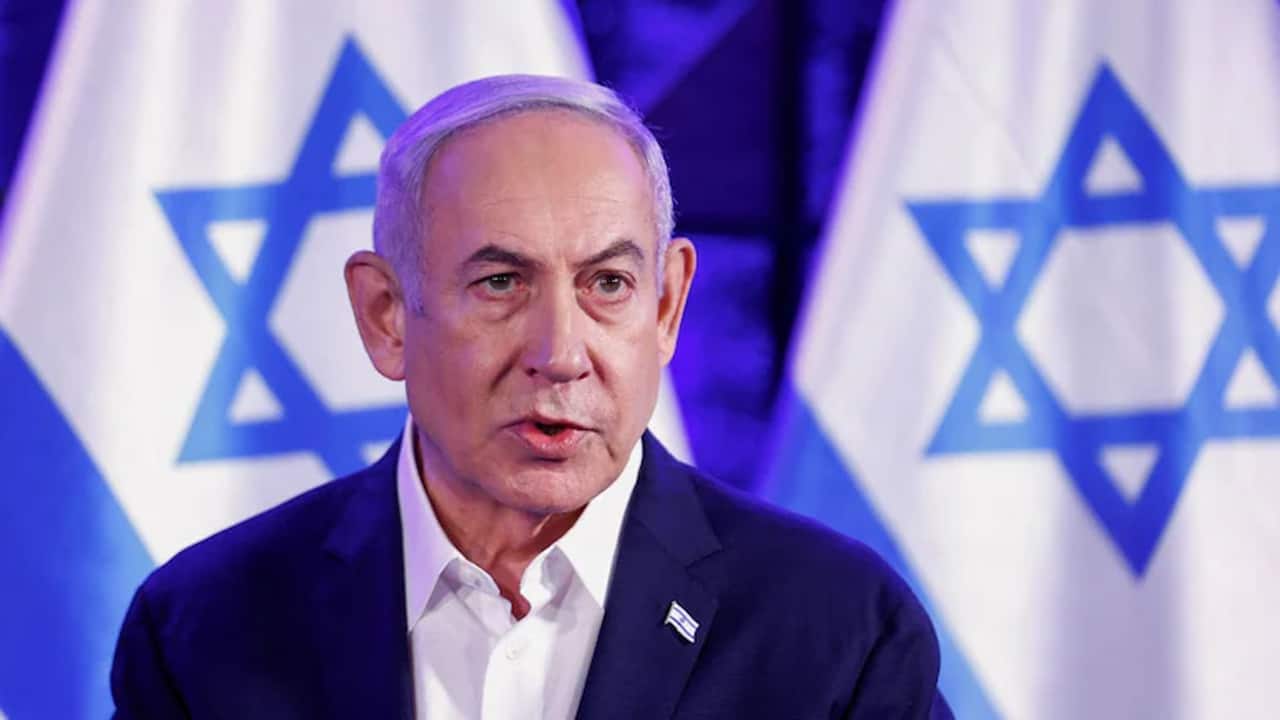
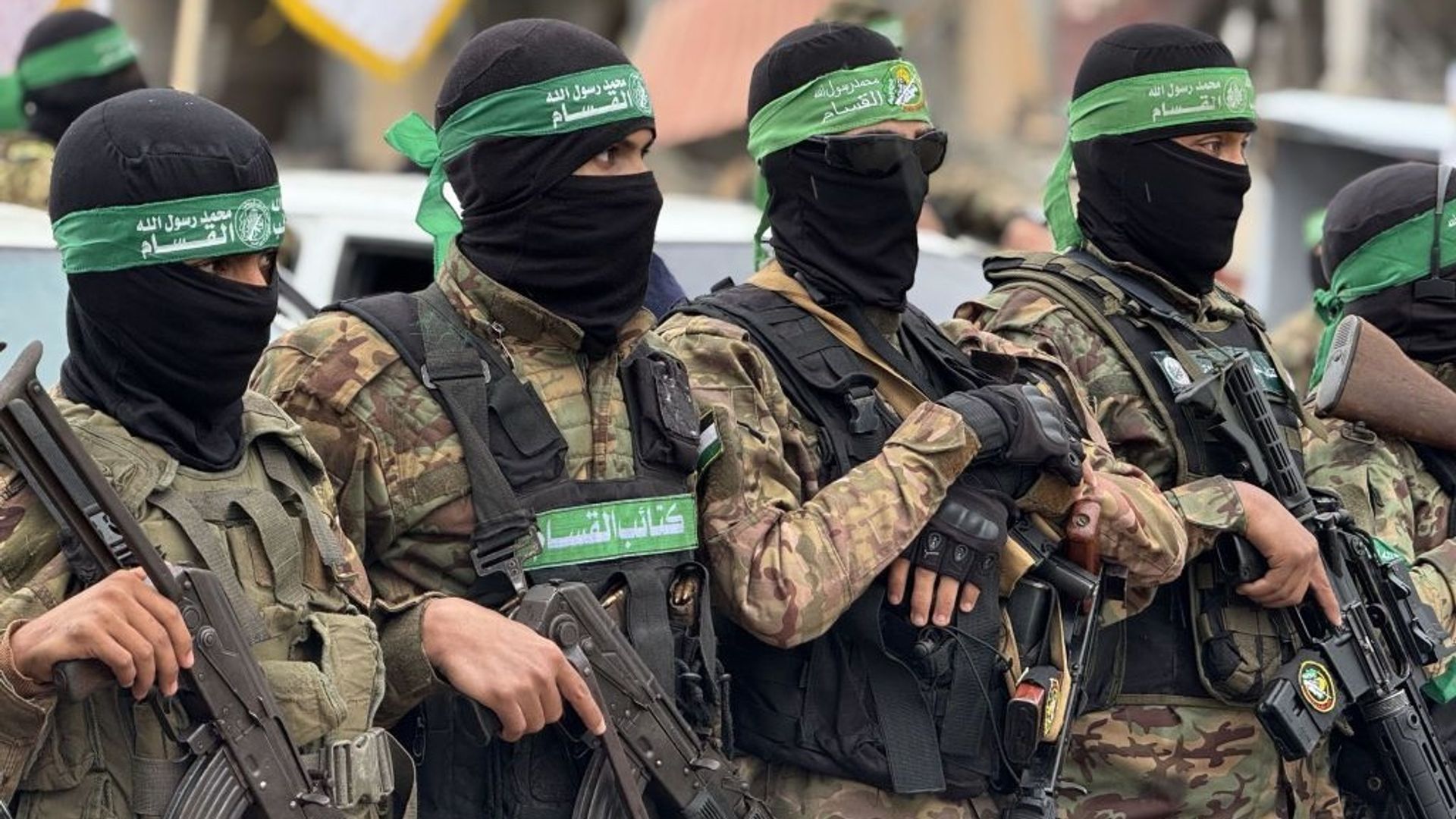
Trump announces Hamas agreement for complete disarmament in Gaza
Donald Trump announced an agreement for the disarmament of Hamas in Gaza as part of a peace plan, despite immediate Israeli objections and skepticism over heavy weapons oversight.
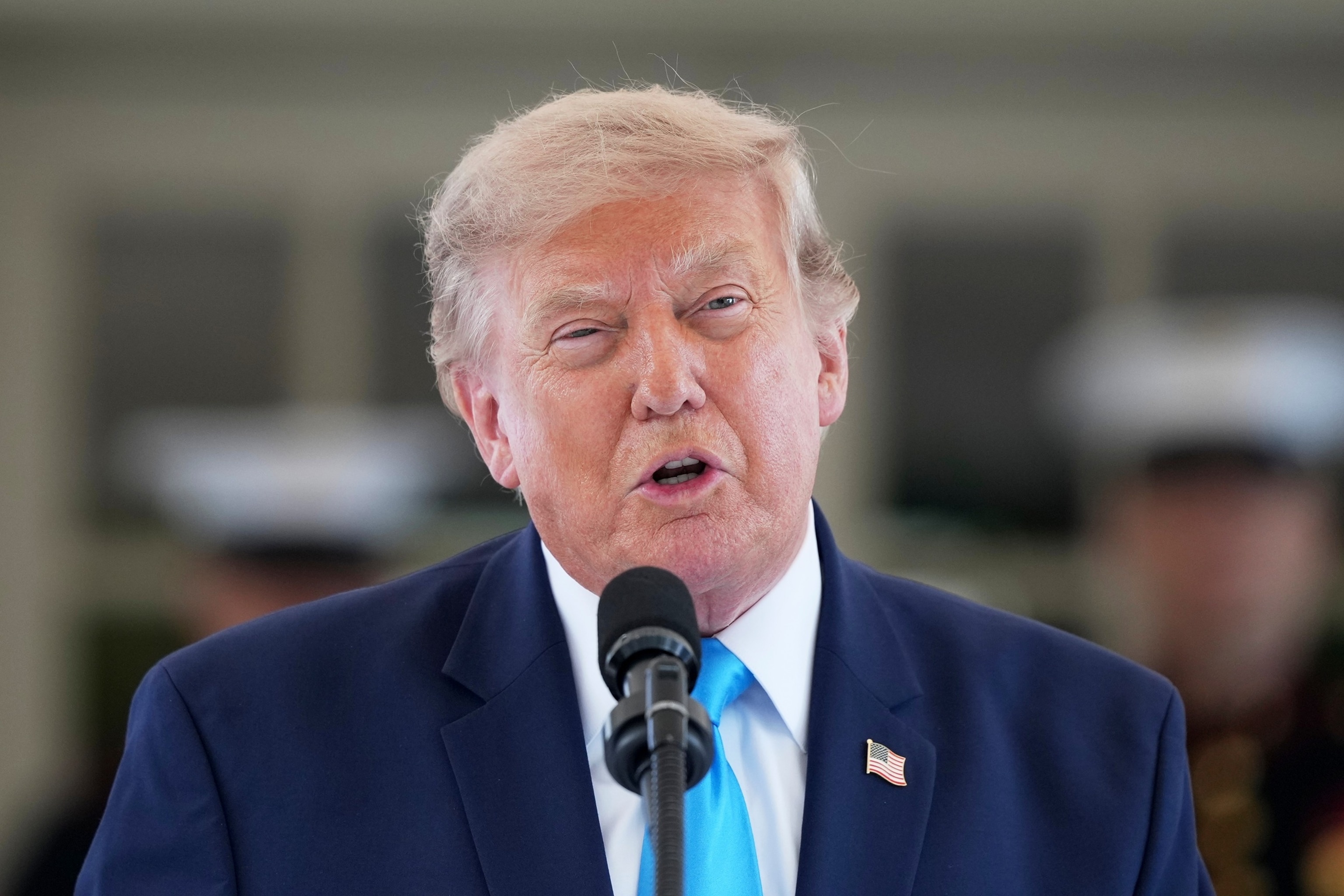
Donald Trump announced on Thursday that a deal has been reached for the COMPLETE DISARMAMENT
of Hamas and all other armed groups in Gaza, framing the move as a major milestone in a 20-point peace plan. However, the announcement was immediately met with contradictions from the Israeli government, with reports that an Israeli office issued a statement rejecting the disarmament proposal on the grounds that it failed to meet core security demands.
The survival of the agreement depends on an Israeli security establishment that remains highly skeptical of Hamas's willingness to relinquish its arsenal. While U.S. Officials maintain that Israel is not being asked to do anything beyond its initial commitment to the 20-point plan — which involves ending airstrikes and withdrawing forces — the discrepancy between the White House's optimistic narrative and Israel's reported rejection creates a profound tension over whether a binding deal actually exists.
Related YouTube video
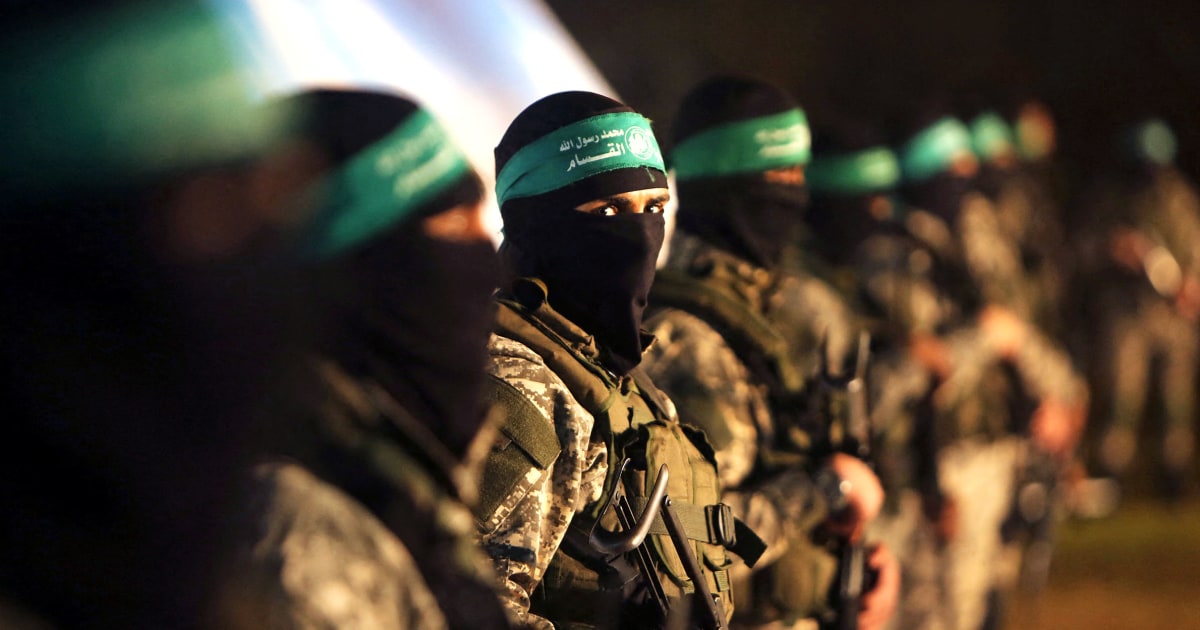
The mechanism for overseeing this process is the Board of Peace, a multinational organization established in January. Led by the U.S., its founding members include Pakistan, Saudi Arabia, Turkey, and the United Arab Emirates. While the board is intended to oversee the ceasefire and handle redevelopment funding for Gaza, some nations, including the UK, France, and China, have declined to join, citing concerns regarding international law and the United Nations.
The disarmament roadmap is designed around a zero trust
verification system. According to U.S. And Board of Peace officials, neither Hamas nor Israel will move to a subsequent phase until the other has fulfilled its specific commitments. The proposed timeline is bifurcated by the type of weaponry involved:
- Short-term: The Gaza police force is expected to turn over weapons to a technocratic, Board of Peace-backed administration within two weeks.
- Long-term: The decommissioning of heavy weapons, weapons depots, production facilities, and the vast network of tunnels is estimated to take between 200 and 350 days.
The specific nature of the "heavy weapons" surrender remains a point of contention. The BBC reported seeing the agreement, which provides for the inventorying and storage of these weapons under Palestinian supervision. This contradicts the "complete" disarmament narrative; a Hamas source told Reuters that under the current draft, heavy weapons would be placed under the control of a future Palestinian administration rather than being handed over to Israel.
This political maneuvering occurs as Gaza residents continue to live in squalid tent camps. According to the Hamas-run health ministry, at least 1,168 Palestinians have been killed in Israeli attacks since the ceasefire took effect last October. In the same period, four Israeli soldiers have been killed in Palestinian attacks. Many Palestinians express little enthusiasm for the announcement, having grown skeptical of political breakthroughs that fail to deliver ground-level improvements.
The geopolitical landscape adds further instability. U.S. Officials describe Iran as a wildcard
; while Tehran has counseled Hamas against accepting a deal, it is currently preoccupied with its own conflict with the United States and is unable to provide significant support to the group. Meanwhile, Hamas has already begun shifting its internal structure, dissolving its Gaza government earlier this month to transfer power to a technical committee backed by the UN.
The transition of power would see an International Stabilization Force work alongside a new Palestinian police force to secure the enclave. This shift is welcomed by the National Committee for the Administration of Gaza (NCAG), which stated it is prepared to assume governing responsibility and translate political progress into tangible improvements for residents.
Despite these claims of a "historic breakthrough," the practical implementation remains unconfirmed by the primary combatants. Hamas official Ghazi Hamad stated that the group will hand over weapons only after both sides approve the final text and Israel begins implementing the first phase of the deal. He further insisted that the disarmament is contingent on the full withdrawal of Israeli troops.
The immediate trigger for the plan's viability is a meeting of truce mediators, including the U.S., Qatar, Turkey, and Egypt, set to take place soon in Cairo to determine if the roadmap moves from a signed draft to actual implementation.
Implementation and Institutional Hurdles
US officials said smaller groups in Gaza would be disarmed first, before Hamas begins dismantling what they described as its state-like military infrastructure of tunnels, weapons depots and production facilities. The Gaza police force would turn over weapons to the technocratic Board of Peace-backed Gaza administration in the next two weeks. The surrender of heavy weapons and the decommissioning of Hamas tunnels and other infrastructure are to come later in a process that could take between 200 and 350 days, a Board of Peace official said.
In April this year, Hamas rejected the disarmament plan of a top figure in Trump's Gaza peace efforts, a senior Palestinian official familiar with the negotiations told the BBC. The group’s founding charter calls for armed resistance against Israel
Earlier this month, Hamas elected a new leader, Khalil al-Hayya. He replaced Yahya Sinwar, who was killed by the Israeli military in Gaza in October 2024. As the chief negotiator for Hamas, Hayya led the group's delegations at indirect ceasefire talks, meeting mediators in Egypt and Qatar.
The BBC reported earlier this year that the board was originally thought to be aimed at helping end the war between Israel and Hamas in Gaza and oversee reconstruction. But its proposed charter does not mention the Palestinian territory and appears to be designed to supplant functions of the UN. The UK, France and China are among some of the countries to hold off on joining the group since its establishment, with some citing concerns in relation to international law and the UN.
Cairo is set to host a meeting "soon" of the Gaza truce mediators, which also include the United States, Qatar and Turkey, state-linked Al-Qahera News reported early Friday.
Archypedia is dedicated to independent, evidence-backed reporting. This briefing was synthesized from primary source reporting, corroborated across independent newsrooms, and verified against our Editorial Standards.
Transparency record
Evidence behind this report
This report synthesizes 6 distinct sources. Open the source ledger below to compare the underlying coverage.
Prepared under the Archypedia Editorial Policy by the Samir Haddad editorial desk profile. AI-assisted tools may support drafting and verification; public accountability remains with Archypedia. Report an error.