Brazil confirms four West Nile fever cases and one death
Health authorities in São Paulo and Santa Catarina have confirmed rare human infections, including the first fatality in the latter state's history.

For 80% of people infected with West Nile fever, the virus is invisible, leaving no trace of illness. But for a small fraction of patients, the infection targets the central nervous system with devastating precision. This divide is starkly evident in four recent confirmed cases in Brazil, including the death of a 77-year-old woman in Imbituba, Santa Catarina, on August 8, 2026.
The fatality in Santa Catarina marks the first death from the virus in that state's history. Simultaneously, the state of São Paulo has recorded its first two human cases ever, according to reporting from G1 and O Globo. These developments highlight a rare but severe neurological risk transmitted by common house mosquitoes.
Related YouTube video
/https://i.s3.glbimg.com/v1/AUTH_da025474c0c44edd99332dddb09cabe8/internal_photos/bs/2022/A/f/mwdKtGSzyTBoRGShISzg/mosquito-culex.jpg)
The clinical outcomes of the four recent cases vary significantly by region and patient:
- Santa Catarina: One death (a 77-year-old woman in Imbituba) and one recovery (a 56-year-old man in Caçador). Both patients exhibited neurological manifestations, according to Fábio Gaudenzi, superintendence of Health Surveillance in Santa Catarina, via Portal Tela.
- São Paulo: One recovery (a 34-year-old woman in Ribeirão Preto) and one patient remaining hospitalized (an 18-year-old in São José do Rio Preto), as reported by Diário do Nordeste.
While the virus is newly appearing in these specific states, it is not new to Brazil. According to the Santa Catarina State Health Department, cited by ICL Notícias, the first overall case in Brazil occurred in 2014, and 13 states have since registered cases. Furthermore, ND Mais notes that Brazil's first fatal case occurred seven years ago in Pirapira, Piauí.
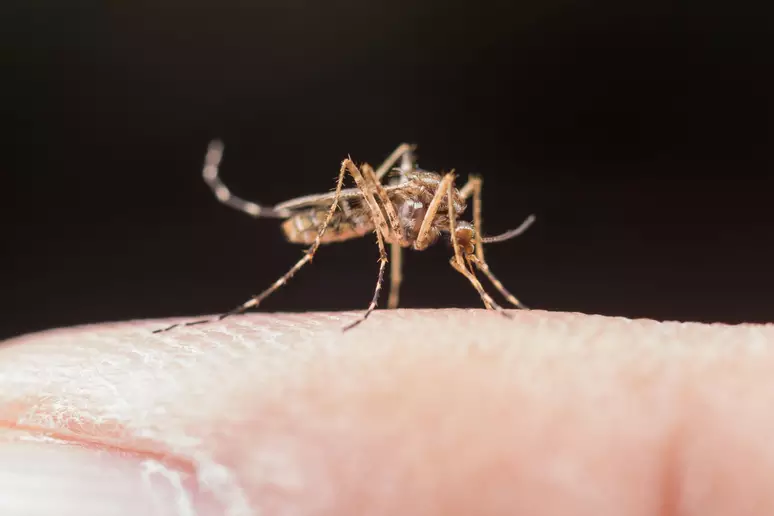
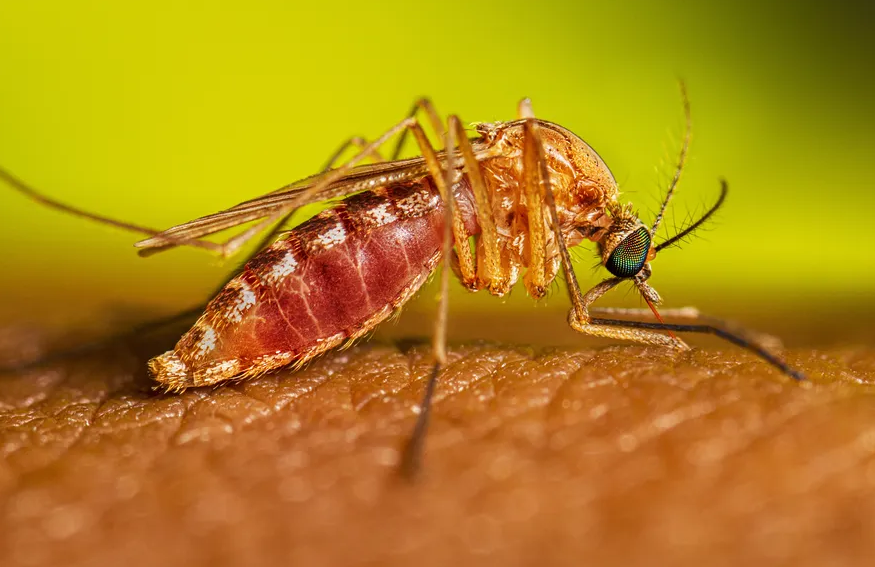
West Nile fever is caused by an arbovírus, placing it in the same category as Dengue, Zika, and Yellow Fever. However, its transmission cycle differs. The virus primarily circulates between wild birds—which act as amplifiers—and mosquitoes of the Culex genus, commonly known as pernilongos or muriçocas. Humans and horses are considered "accidental and terminal" hosts; they can be infected, but the viral load in their blood is generally too low to pass the virus back to mosquitoes, effectively ending that specific transmission chain.
For most, the infection is mild. According to the Ministry of Health, approximately 20% of infected individuals develop symptoms such as abrupt fever, muscle pain, headache, nausea, and maculopapular rashes. However, the danger escalates for roughly one in every 150 infected people who develop severe neurological disease.
Clinicians identify "red flags" that differentiate a mild fever from a critical neurological emergency. These include:
- Severe manifestations: Encephalitis (the most common neurological form), meningitis, or acute flaccid paralysis.
- Cognitive and physical shifts: Confusion, reduced level of consciousness, tremors, convulsions, and severe muscle weakness.
- Complex signs: Ataxia, cranial nerve abnormalities, or optic neuritis.
Because there is no human vaccine or specific antiviral treatment, medical care is purely supportive. Mild cases require rest and hydration, but neurological involvement often necessitates hospitalization in an Intensive Care Unit (ICU) for respiratory support and intravenous fluid replacement, as noted by ICL Notícias.
The geography of the recent infections has raised questions about the virus's movement. In São Paulo, the 34-year-old woman from Ribeirão Preto had a recent history of travel to the Amazon region. In contrast, the 18-year-old in São José do Rio Preto has no such travel history.
Prevention centers on avoiding the Culex mosquito, which is most active from dusk until dawn. Health authorities recommend using repellents, installing screens on doors and windows, and eliminating standing water. the Ministry of Health advises the public to report the death or illness of wild birds and horses showing neurological signs, as these animals serve as early warning sentinels for virus circulation.
The cases in São Paulo were confirmed through laboratory tests conducted by the Instituto Adolfo Lutz. Tatiana Lang D’Agostini, director of the Centro de Vigilância Epidemiológica "Prof. Alexandre Vranjac" (CVE-SP), stated via G1 that the confirmation of these first cases in the state reinforces the need for permanent monitoring.
Municipal and state epidemiological teams are currently conducting investigations to identify the exact locations of infection and map the circulation of the virus within the affected regions.
Diagnostic methods and transmission risks
Beyond the primary mosquito vector, health authorities identify more infrequent pathways for the virus to enter the human body. According to ICL Notícias and Diário do Nordeste, rare forms of transmission include organ transplants, blood transfusions, breastfeeding, and transmission from a pregnant woman to the fetus.
To confirm these infections, clinicians rely on a combination of clinical evaluation and laboratory evidence. The primary method involves searching for IgM antibodies against the West Nile virus using blood samples or cerebrospinal fluid. In some cases, health authorities may also employ molecular biology tests, such as PCR or the ELISA technique, as reported by ND Mais.
While the cases in Santa Catarina and São Paulo were confirmed on August 24, 2026, the virus has been present in Brazil since 2014. The geographic spread has reached 13 states over the last 12 years, though fatalities remain an outlier.
In São Paulo, the investigation into the 18-year-old patient in São José do Rio Preto is particularly focused on the lack of travel history, contrasting with the patient from Ribeirão Preto who had visited the Amazon.
How significant is this development?
Contribute your assessment to the aggregated reader intelligence ledger.
Archypedia is dedicated to independent, evidence-backed reporting. This briefing was synthesized from primary source reporting, corroborated across independent newsrooms, and verified against our Editorial Standards.
Transparency record
Evidence behind this report
This report synthesizes 7 distinct sources. Open the source ledger below to compare the underlying coverage.
- g1.globo.com
- diariodonordeste.verdesmares.com.br
- portaltela.com
- oglobo.globo.com
- infomoney.com.br
- iclnoticias.com.br
- ndmais.com.br
Prepared under the Archypedia Editorial Policy by the Lina Park editorial desk profile. AI-assisted tools may support drafting and verification; public accountability remains with Archypedia. Report an error.