Houthis kill three after striking cargo ship off Yemen
A coordinated Houthi offensive in Yemen killed seven people and a separate drone struck a Saudi refinery, testing a newly signed defense pact between Saudi Arabia, Turkey, and Pakistan.
A sweeping trilateral defense pact, signed with explicit language declaring an attack on one member to be an attack on all, has faced its first real-world test in absolute silence. Just days after Saudi Arabia, Turkey, and Pakistan formalized their alliance in Mecca, a Houthi drone strike on Saudi soil drew no military response from Ankara or Islamabad, exposing the immediate limits of collective security frameworks across the region.
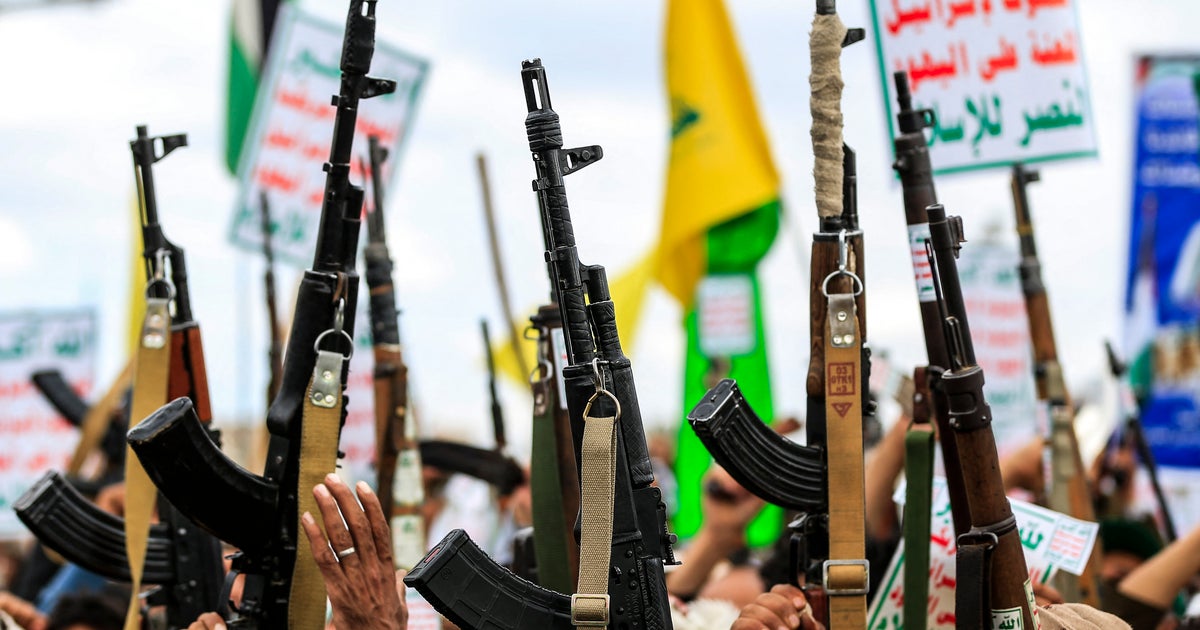
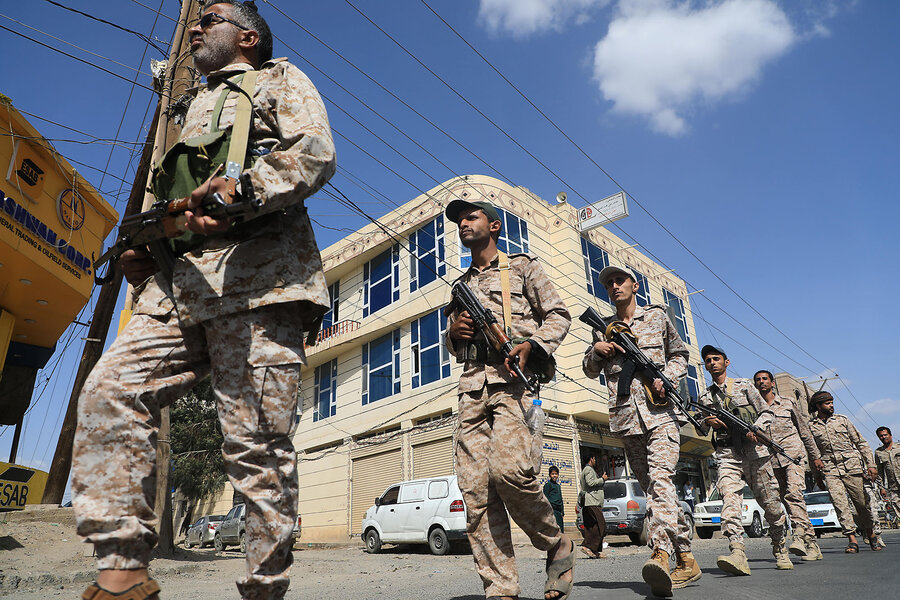
The stark test of the new agreement unfolded simultaneously with a devastating assault in Yemen. According to the Yemeni military, a coordinated Houthi offensive struck the Red Sea port city of Mocha, leaving four armed forces personnel and three civilians dead, alongside 30 wounded as reported by The Advocate. Yemeni air defenses intercepted and shot down 11 participating drones, but ballistic missiles and unmanned aircraft struck residential neighborhoods and military positions in an escalation that represents one of the largest waves of assaults against Saudi-backed government positions since a truce held in the year 2022.
Related YouTube video

Mocha sits directly adjacent to the Bab al-Mandab Strait, the critical maritime gateway connecting the Red Sea to the Gulf of Aden. With shipping traffic through the Strait of Hormuz severely restricted amid the broader US-Iran conflict, commercial vessels have increasingly relied on the Bab al-Mandeb corridor, heightening the strategic stakes of the Houthi campaign according to Yahoo News UK. Houthi military spokesperson Yahya Saree claimed on Telegram that the group's ballistic missiles and drones targeted Saudi troop concentrations and weapons depots, while also striking a separate target on Saudi territory noted The Advocate.
That separate target was a Saudi Aramco oil refinery located in Jazan in southwestern Saudi Arabia. The facility was hit by a drone on Sunday morning, triggering a fire that the Saudi Ministry of Energy later confirmed had been extinguished reported ANI via Webindia123. Saree asserted that the Jazan strike was carried out in retaliation for what the group termed Saudi airspace violations over the Yemeni provinces of Saada and Hajjah according to The Advocate.
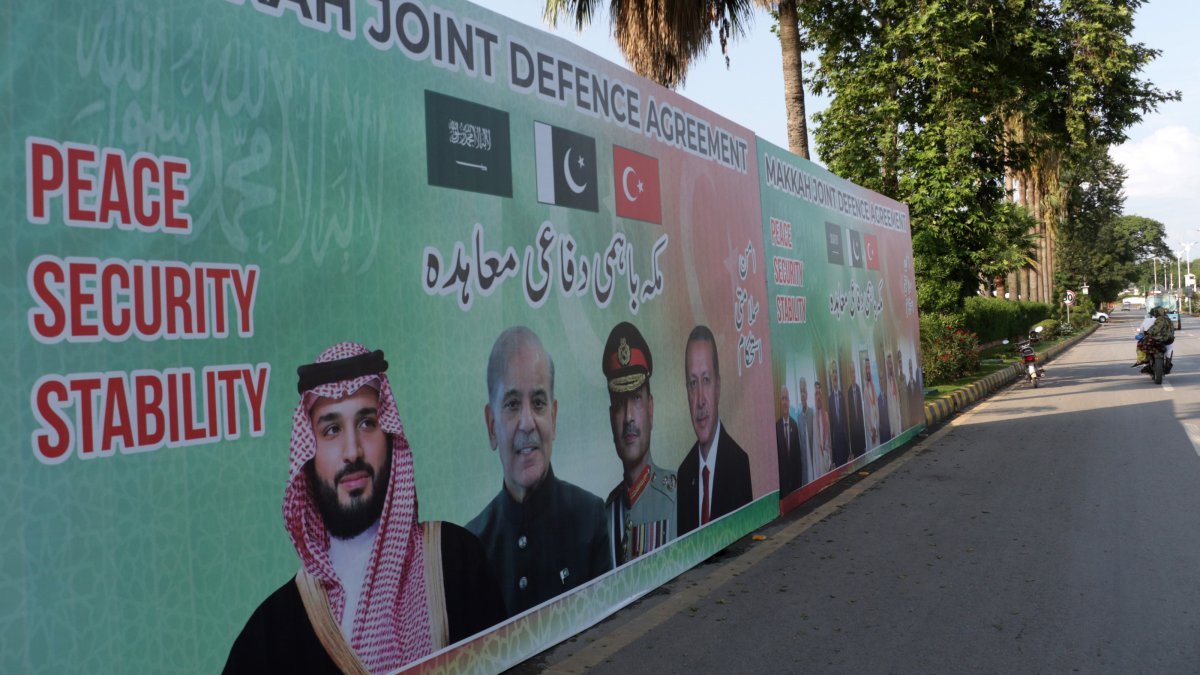
The refinery attack landed merely 48 hours after Saudi Crown Prince Mohammed bin Salman, Turkish President Recep Tayyip Erdogan, and Pakistani Prime Minister Shehbaz Sharif gathered in Mecca to sign a mutual defense agreement highlighted by Webindia123. The pact's summit statement declared that an armed attack against any single signatory would be regarded as an attack against all three, prompting some regional commentary and Israeli analyses, as cited by The Jerusalem Post, to compare its wording to the North Atlantic Treaty Organization's collective-defense model or to speculate about a broader Sunni security umbrella.
Yet, when the Jazan facility burned, neither Turkey nor Pakistan deployed forces or announced retaliatory measures. The conspicuous inaction underscored the gap between rhetorical commitments and operational reality according to Webindia123. Turkish Foreign Minister Hakan Fidan subsequently clarified the mechanics of the pact in statements to Anadolu Agency, explaining that while the mutual defense clause is technically comparable to NATO Article 5, an assault does not trigger an automatic military response noted Webindia123.
"If one member were attacked, the other members would first consult to determine the nature and scale of assistance"
Hakan Fidan, Turkish Foreign Minister, via Anadolu Agency and Webindia123
Fidan also insisted that the new alliance was not directed against Iran or any specific nation, but functioned instead as a broad pledge to support regional security reported Yahoo News UK. Nevertheless, the lack of a visible deterrent following the Jazan strike has highlighted structural precedents from previous bilateral arrangements between Riyadh and Islamabad. Analysts point out that a prior defense pact signed in September 2025 similarly relied on Pakistani military personnel and equipment funded by Saudi Arabia—such as deployed JF-17 aircraft and air-defense batteries—without preventing subsequent Iranian and proxy strikes on Saudi energy infrastructure according to Webindia123 analyses.
With the Mecca agreement establishing a permanent secretariat and a ministerial committee based in Saudi Arabia reported Webindia123, attention turns directly to how these institutional bodies will interpret consultation protocols and define actionable assistance when future cross-border projectiles strike the kingdom.
Institutional Architecture of the Mecca Pact
The institutional mechanisms established during the Mecca summit provide a permanent secretariat and a ministerial committee based in Saudi Arabia, according to reporting highlighted by Webindia123. As Turkish Foreign Minister Hakan Fidan clarified in statements to Anadolu Agency, the mutual defense clause requires member states to consult one another following an armed attack to determine the appropriate nature and scale of assistance, rather than initiating an immediate or automatic military deployment. This consultative architecture mirrors operational realities observed during prior regional arrangements, such as the September 2025 defense pact between Riyadh and Islamabad. According to analyses cited from The Jerusalem Post and Reuters, that earlier arrangement involved Saudi financing for the deployment of roughly 8,000 Pakistani troops, around 16 aircraft including JF-17s, two drone squadrons, and a Chinese-built HQ-9 air-defense battery. Despite those personnel remaining stationed in the kingdom during subsequent strikes on energy infrastructure, the deployment functioned primarily in an advisory and training capacity without triggering active intervention against regional attackers.
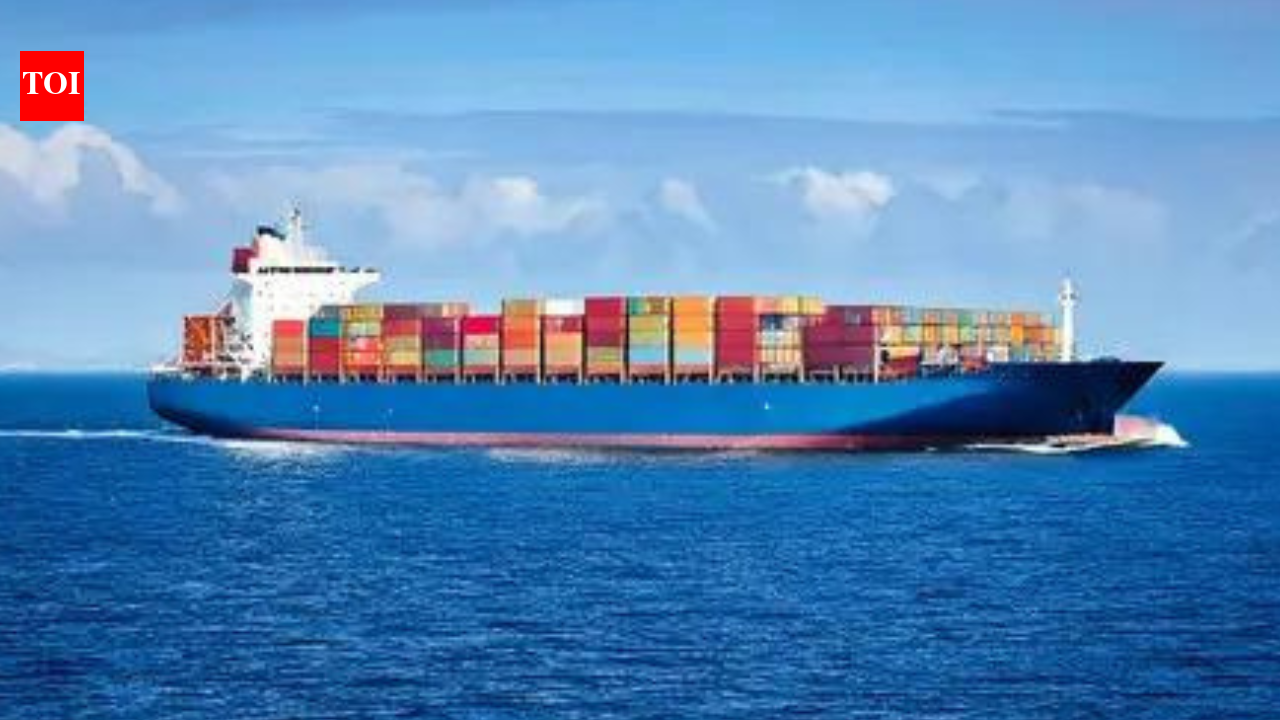
Meanwhile, the broader maritime and regional fallout from the ongoing conflict continues to exert severe economic and operational pressure across the Middle East. Shipping traffic through the Strait of Hormuz dropped to six vessels, down significantly from a ten-day average of about 11 ships, as prospects for a US-Iran peace deal faded and tracking data from Kpler indicated limited commercial movement, reported Reuters via The Times of India. In Tehran, Iran-China Chamber of Commerce head Majidreza Hariri warned that a US maritime blockade could inflate annual trade costs by approximately $18 billion by forcing containers from China to travel overland rather than through southern ports at significantly higher per-container expenses, as noted in updates from KhabarOnline. With diplomatic positions deadlocked over Iranian demands for reparations and US President Donald Trump rejecting compensation claims while asserting total naval control over the Strait of Hormuz, the next step depends heavily on whether the newly formed Mecca secretariat and its consultative committee can establish functional deterrence against escalating cross-border missile and drone strikes.
How significant is this development?
Contribute your assessment to the aggregated reader intelligence ledger.
Archypedia is dedicated to independent, evidence-backed reporting. This briefing was synthesized from primary source reporting, corroborated across independent newsrooms, and verified against our Editorial Standards.
Transparency record
Evidence behind this report
This report synthesizes 4 distinct sources. Open the source ledger below to compare the underlying coverage.
Prepared under the Archypedia Editorial Policy by the Samir Haddad editorial desk profile. AI-assisted tools may support drafting and verification; public accountability remains with Archypedia. Report an error.