Yemen's Houthis Attack Saudi Refinery After Kingdom Signs Defense Pact
The strikes on critical energy and maritime infrastructure follow a strategic alliance designed to deter regional aggression and secure alternative energy corridors.
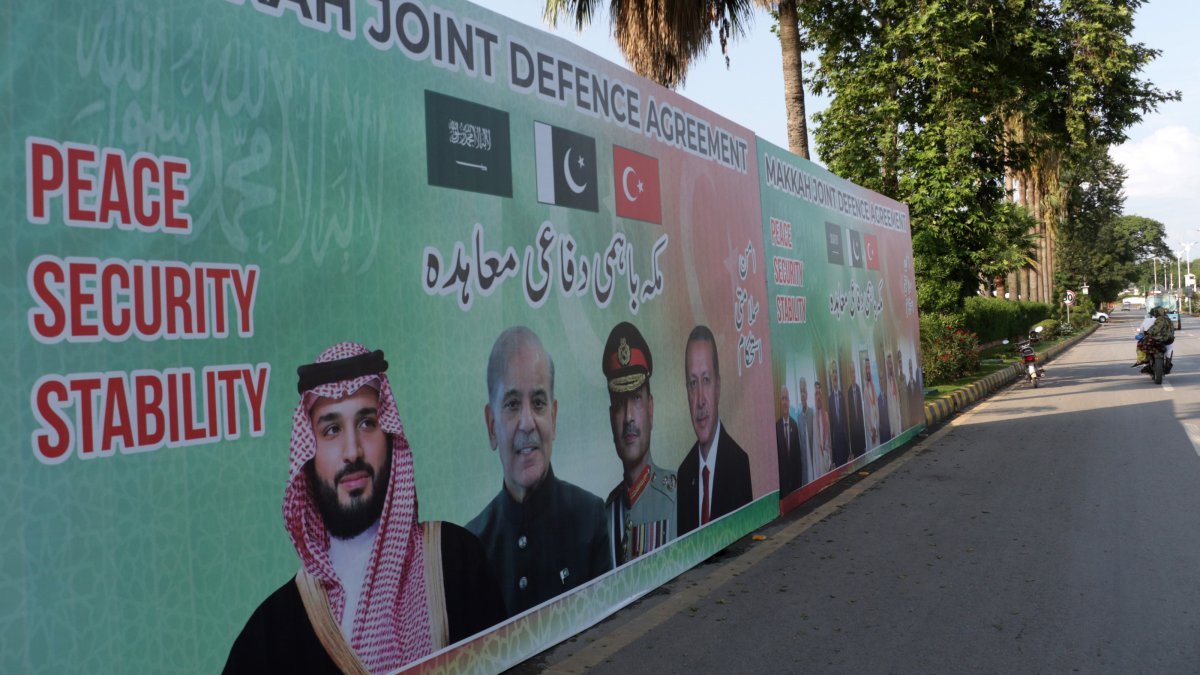
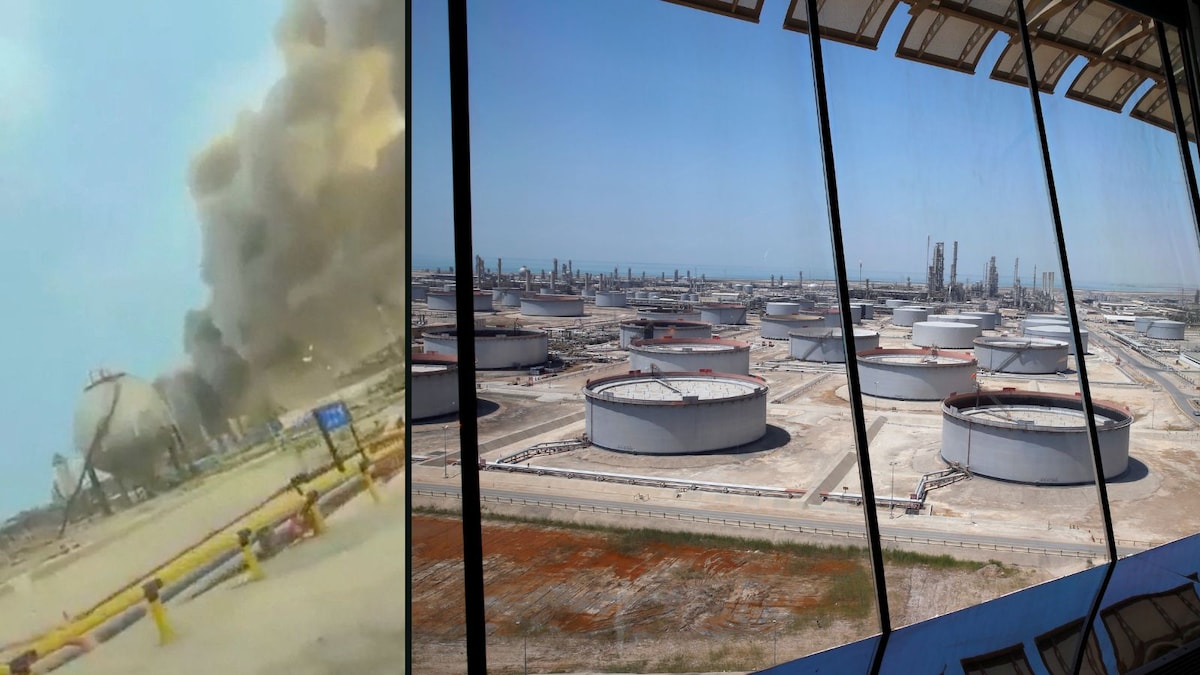
Saudi Arabia signed a mutual-defense pact with Turkey and Pakistan on Friday, only to face a drone strike on a major energy facility 48 hours later. The attack on Saudi Aramco’s Jazan refinery on Sunday serves as an immediate test for a collective deterrence alliance designed to stabilize a region strained by the U.S.-Israeli war on Iran.
The new agreement stipulates that an armed attack against any of the three nations would be regarded as an attack on all. However, while the Houthis targeted critical infrastructure, neither Ankara nor Islamabad has specified how or if they will participate in a Saudi response. The Turkish government and various Pakistani ministries, including the military and foreign ministries, did not respond to requests for comment on the implications of the refinery strike.
Related YouTube video
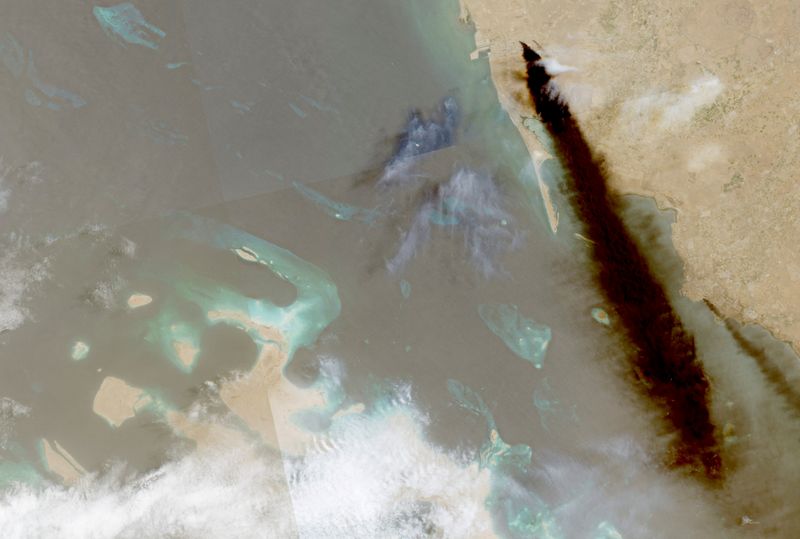

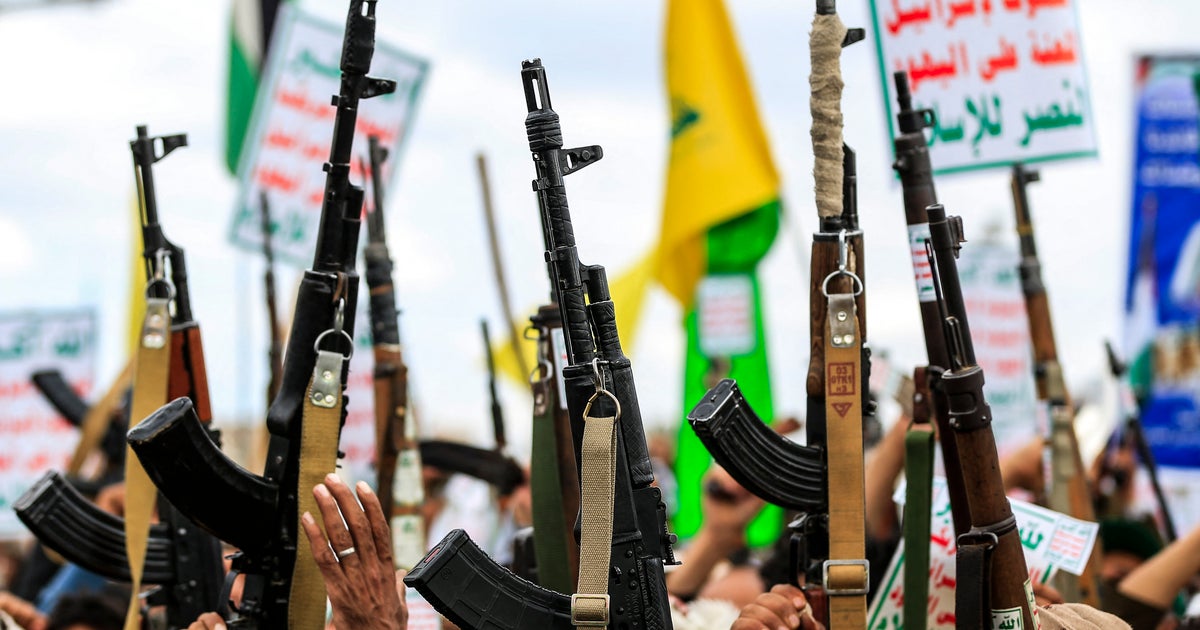
The Jazan facility in southwestern Saudi Arabia is a critical energy hub that processes 400,000 barrels of crude oil per day. The Saudi energy ministry confirmed that a fire broke out at the refinery but stated it was extinguished with no injuries. Houthi military spokesperson Yahya Saree claimed on X that the strike was carried out via drone in response to Saudi drone violations of Yemeni airspace in Saada and Hajjah.
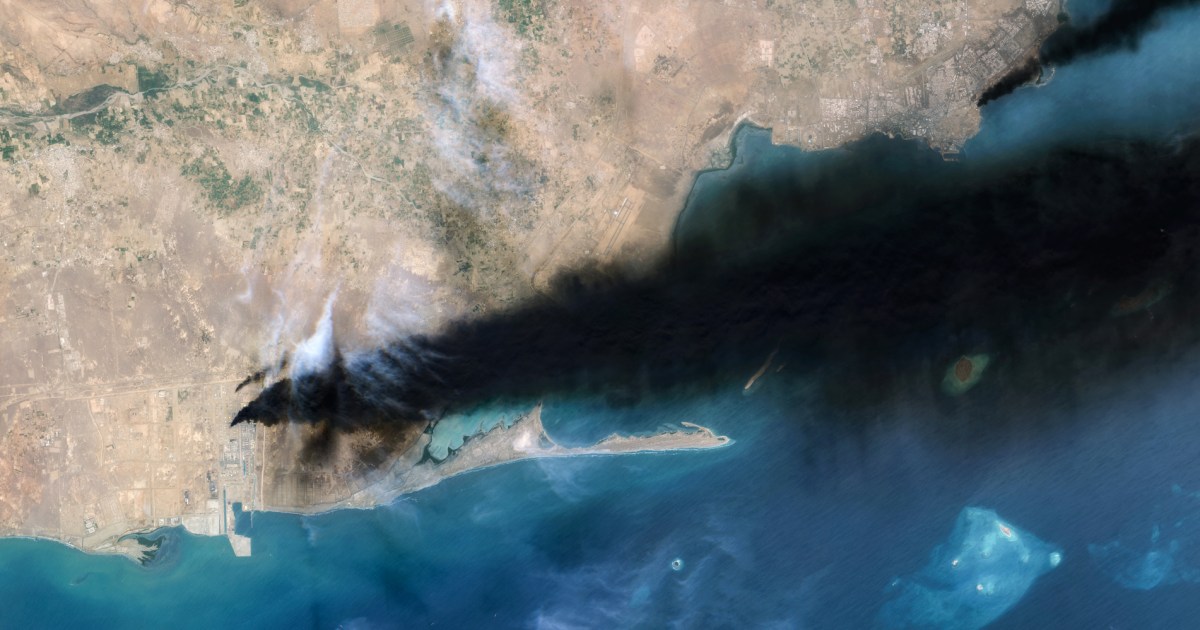
Simultaneously, the Houthis launched missile and drone strikes on the Yemeni port city of Mocha. The attack resulted in at least seven deaths — four military personnel and three civilians — and left 15 civilians injured, according to the National Resistance Forces and reports via UPI. The strikes caused severe damage to the port's infrastructure, including a pier, buildings, and commercial food storage facilities.
The Mocha port is a strategic asset controlled by the Aden-based government and backed by Riyadh. Because it sits near the Bab el-Mandeb strait, which connects the southern Red Sea to the Gulf of Aden and the Indian Ocean, it serves as a vital alternative to the Strait of Hormuz. Should the Bab el-Mandeb be closed, Saudi Arabia would lose its primary strategic bypass for energy shipments.
The two sides offer conflicting narratives regarding the nature of the Mocha strikes:
- Houthi claim: Yahya Saree stated the operation targeted Saudi troops and weapons depots, framing the violence as
a siege for a siege, escalation for escalation
in response to a Saudi blockade of the Houthis. - Yemeni government claim: The transportation ministry described the event as an attack on a
vital civilian facility
used for commercial and maritime activity.
This escalation follows a naval blockade declared by the Houthis against Saudi Arabia last month. These disruptions coincide with a broader conflict in which Iran and allied groups have blockaded energy shipments since U.S. And Israeli forces attacked Iran on February 28. While the U.S. And Iran have engaged in talks for a peace deal, access to the Strait of Hormuz remains a primary stumbling block.
Rashad al-Alimi, head of Yemen’s Saudi-backed presidential council, briefed U.S. Mission to Yemen Chargé d’Affaires Neil Hop on Sunday. Al-Alimi argued that the international community, and specifically the U.S., must move beyond containing the Houthi threat to addressing the sources and instruments behind the attacks.
The effectiveness of the Saudi-Turkish-Pakistani alliance now hinges on the definition of "support." Turkish Foreign Minister Hakan Fidan stated during the announcement of the pact that the alliance was not directed at any specific country, including Iran. He noted that the three allies would determine the degree, form, and format of support
through consultations following an attack.
Patterns of Infrastructure Targeting
The strike on the Jazan refinery is not an isolated event in the Houthis' campaign against Saudi energy assets. According to reports from NBC News and Huffpost, Houthi forces have previously targeted other Aramco sites in Jazan as well as the city of Yanbu on the Red Sea coast.
The attacks on the Mocha port targeted more than just military personnel. Fayed al-Noman, an official with Yemen's information ministry, stated that the strikes damaged a pier, buildings, and facilities used for storing commercial food. This damage to civilian infrastructure coincides with the broader disruptions to global market supplies caused by Houthi activities in the Red Sea, as reported by Reuters via Huffpost.
The strategic stakes remain tied to the maritime corridors. While the new defense pact aims for collective deterrence, the immediate operational priority for Riyadh is maintaining an alternative to the Strait of Hormuz. Because the Houthis have now targeted the commercial quay and storage at Mocha, the viability of this alternative depends on the ability of air defenses, which three Yemeni government sources told Reuters were engaging drones during the attack, to secure the area.
How significant is this development?
Contribute your assessment to the aggregated reader intelligence ledger.
Archypedia is dedicated to independent, evidence-backed reporting. This briefing was synthesized from primary source reporting, corroborated across independent newsrooms, and verified against our Editorial Standards.
Transparency record
Evidence behind this report
This report synthesizes 5 distinct sources. Open the source ledger below to compare the underlying coverage.
Prepared under the Archypedia Editorial Policy by the Samir Haddad editorial desk profile. AI-assisted tools may support drafting and verification; public accountability remains with Archypedia. Report an error.