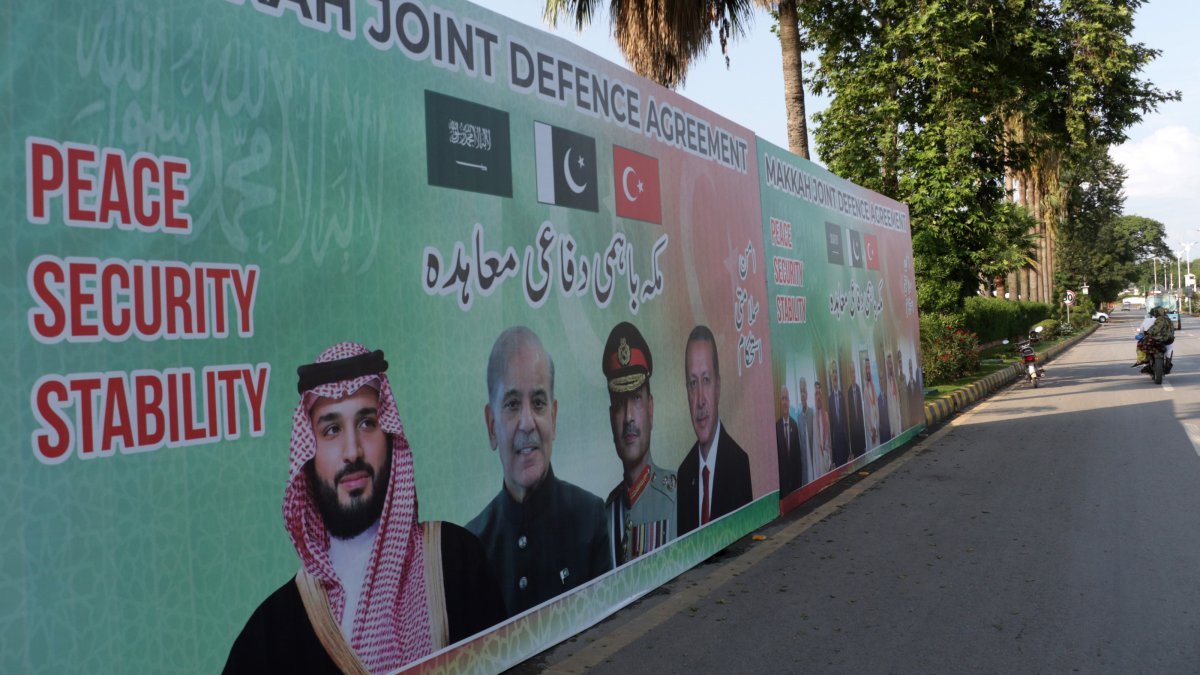
Türkiye, Saudi Arabia and Pakistan sign Mecca Joint Defense Agreement
The alliance adopts a collective defense model similar to NATO's Article 5, emerging as regional tensions rise following Houthi drone strikes and maritime disputes.
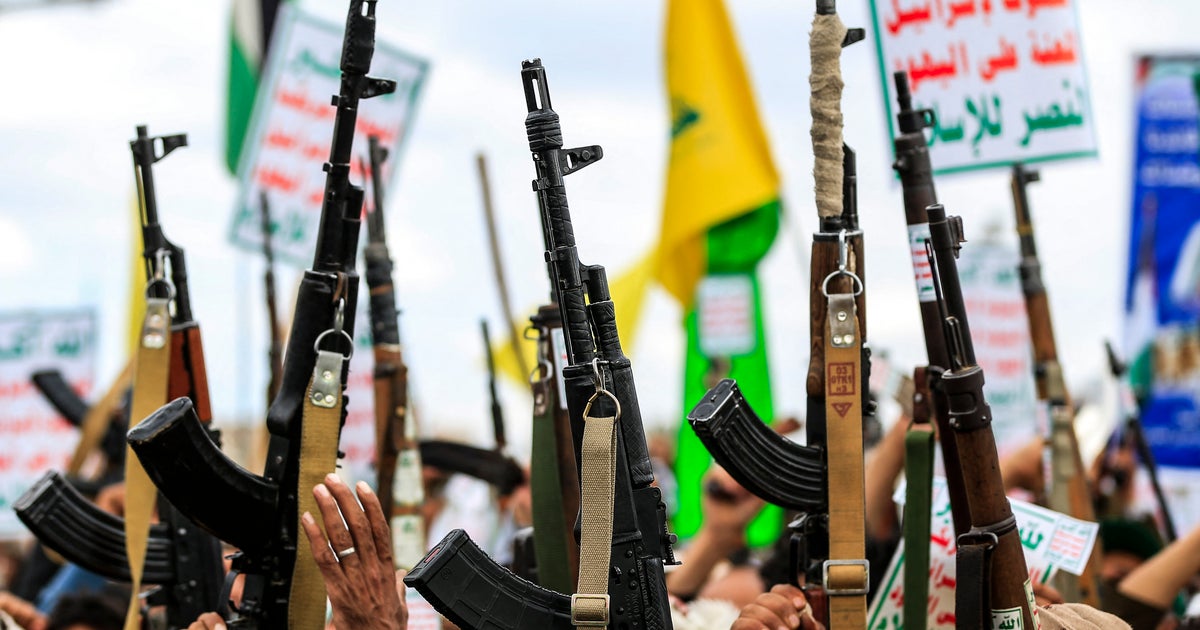
While diplomats signed a mutual defense pact in Mecca on Friday, the security environment for the signatories remained volatile. Yemen's Houthis targeted an Aramco oil refinery in Jazan, Saudi Arabia, with a drone strike, while simultaneously launching ballistic missiles and drones at the Mocha port on the Red Sea. A Yemeni government official reported severe damage to piers, buildings, and food supplies at Mocha, though the Houthis later claimed the strikes targeted military enforcement and warehouses. Houthi military spokesperson Yahya Saree characterized the Jazan attack as a response to Saudi drones breaching Yemeni airspace over Hajjah and Saada provinces.
The Mecca Joint Defense Agreement, signed by Turkish President Recep Tayyip Erdoğan, Saudi Crown Prince Mohammed bin Salman, and Pakistani Prime Minister Shehbaz Sharif, establishes a collective deterrence model. Its central pillar is a mutual defense clause stating that an armed attack on one member is deemed an attack on all, requiring a joint response. Turkish Foreign Minister Hakan Fidan told the Anadolu Agency that the agreement is technically the same as Article 5 of the NATO Treaty.
Related YouTube video


For Ankara, the alliance represents a shift toward diversifying security architectures. Fidan argued that external hegemons
entering the region often make problems more acute, advocating instead for regional ownership
of security. While Türkiye remains committed to NATO, Fidan described the pact as a milestone in ensuring stability and economic integration, noting that preparations for the agreement had been underway for nearly three years.
The agreement arrives as Iran disrupts shipping in the Red Sea and the Strait of Hormuz. In Tehran, reactions have varied between strategic acceptance and suspicion. Hossein Noushabadi, director general for parliamentary and legal affairs, described the pact as the beginning of the collapse of US security hegemony
in West Asia, according to The Business Standard. Other Iranian officials view the move with caution; lawmaker Ebrahim Azizi warned on social media that balance is the only way forward
and that every error comes at a cost
.
Foreign Ministry spokesman Esmaeil Baghaei dismissed the notion that the pact is an Islamic NATO
, asserting via Al Jazeera that the region must not be left under the illusion of achieving security through Amer
. Meanwhile, researchers cited by The Business Standard suggest the pact could be used to coordinate pressure on Iran in Iraq and Yemen.
This diplomatic shift occurs as Iran maintains leverage over global energy routes. Iranian Foreign Minister Abbas Araghchi stated that negotiations with Oman regarding new maritime routes through the Strait of Hormuz are in the final stages
, but the waterway will not reopen until the US corrects its behaviour
, as reported by India Today. Demands conveyed through intermediaries include the withdrawal of US forces from the area and a permanent end to the war with Iran.
Fidan emphasized that the three nations are not expansionist and that the alliance cannot have a dispute with any country unless it is attacked. He specifically noted that countries that do not attack the signatories are not considered targets. This positioning follows reports that Türkiye previously used NATO defense systems to intercept missiles during the early stages of the current regional war.
The pact is not intended to remain a trio. Fidan signaled that the alliance could eventually bring all countries under this umbrella
if necessary. According to a statement from Pakistan's Foreign Ministry, Kuwaiti Foreign Minister Jarrah Jaber Al-Ahmad Al-Sabah has already called Pakistani Foreign Minister Ishaq Dar to congratulate the signatories.
Mecca Joint Defense Agreement: Core Framework
- Mutual Defense: An armed attack against any member is considered an attack against all.
- Objective: Strengthen collective deterrence and expand regional defense cooperation.
- Signatories: Türkiye, Saudi Arabia, and Pakistan.
The integration of Egypt is identified as a priority for expansion. Fidan stated that once a few remaining technical issues are resolved, there is no reason for Egypt not to be part of the alliance.
The practical impact of the agreement remains an open question as the signatories navigate the immediate threat of Houthi incursions and the unresolved status of the Strait of Hormuz. The next critical trigger for the regional order is the finalization of the Oman-mediated shipping deal and whether the US meets the conditions set by Tehran for the waterway's full reopening.
According to Al Jazeera, the Iranian system is currently facing a moment of decision regarding these talks with Oman and diplomatic engagement with the US. This coincides with the appointment of Mohsen Rezaei to Iran’s Supreme National Security Council, a move some observers suggest may indicate a stronger alignment between the presidency and the supreme leader or a further militarization of Iran's security apparatus.
How significant is this development?
Contribute your assessment to the aggregated reader intelligence ledger.
Archypedia is dedicated to independent, evidence-backed reporting. This briefing was synthesized from primary source reporting, corroborated across independent newsrooms, and verified against our Editorial Standards.
Transparency record
Evidence behind this report
This report synthesizes 4 distinct sources. Open the source ledger below to compare the underlying coverage.
Prepared under the Archypedia Editorial Policy by the Samir Haddad editorial desk profile. AI-assisted tools may support drafting and verification; public accountability remains with Archypedia. Report an error.