Houthis seize Mocha port as Yemen slides toward full-scale war
The capture of the strategic port city of Mocha and several Red Sea islands gives Iran-backed forces unprecedented control over a critical global maritime artery.
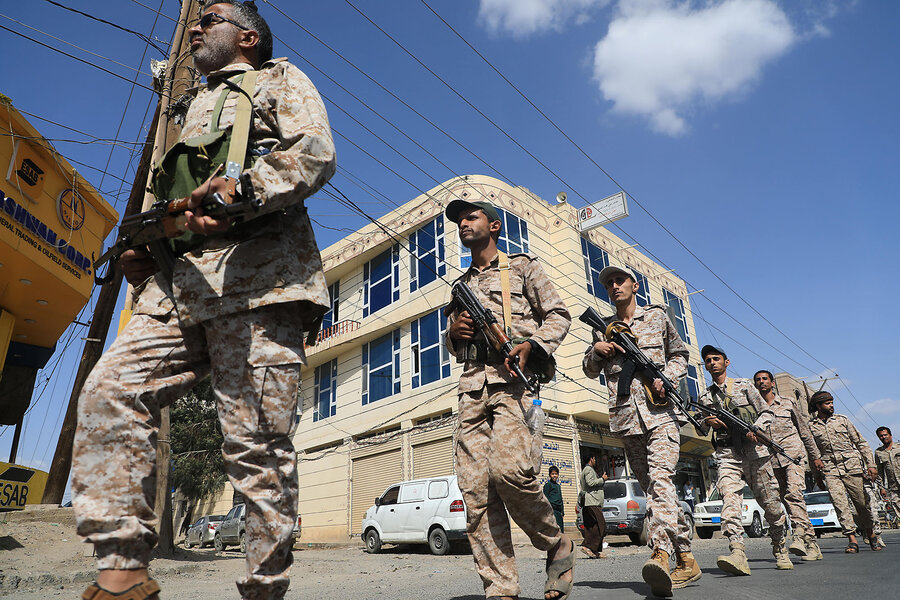
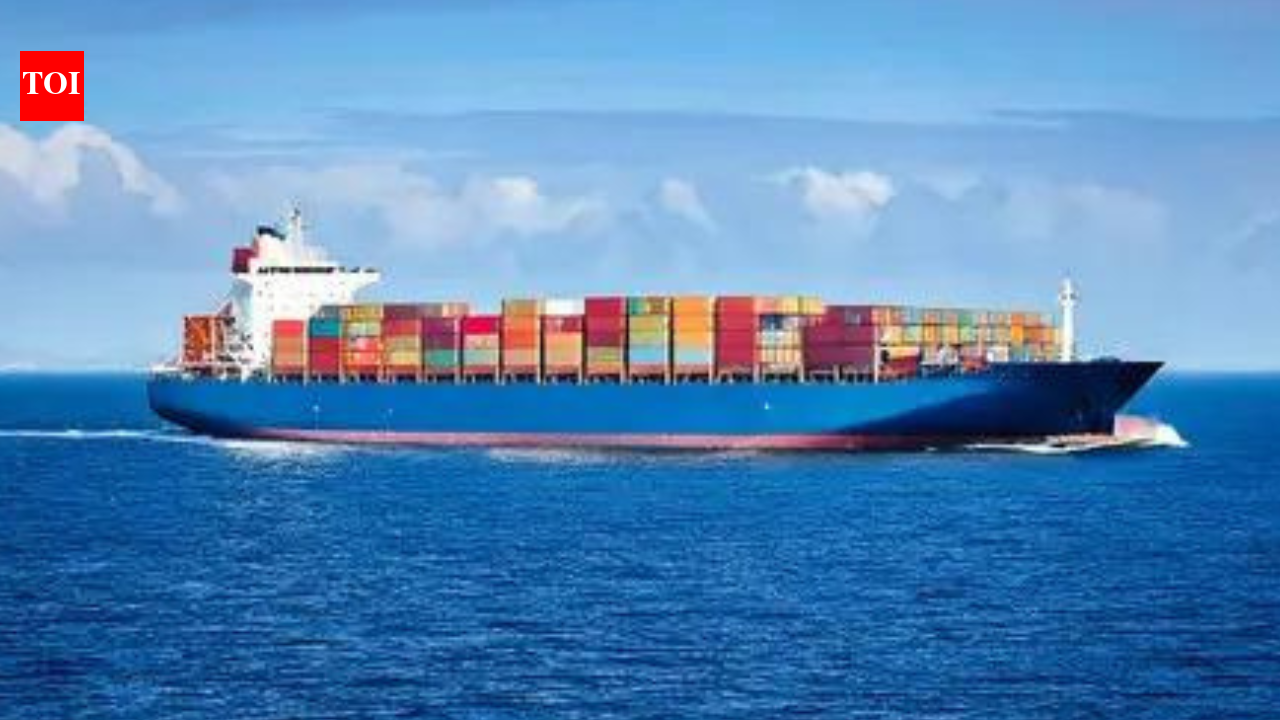
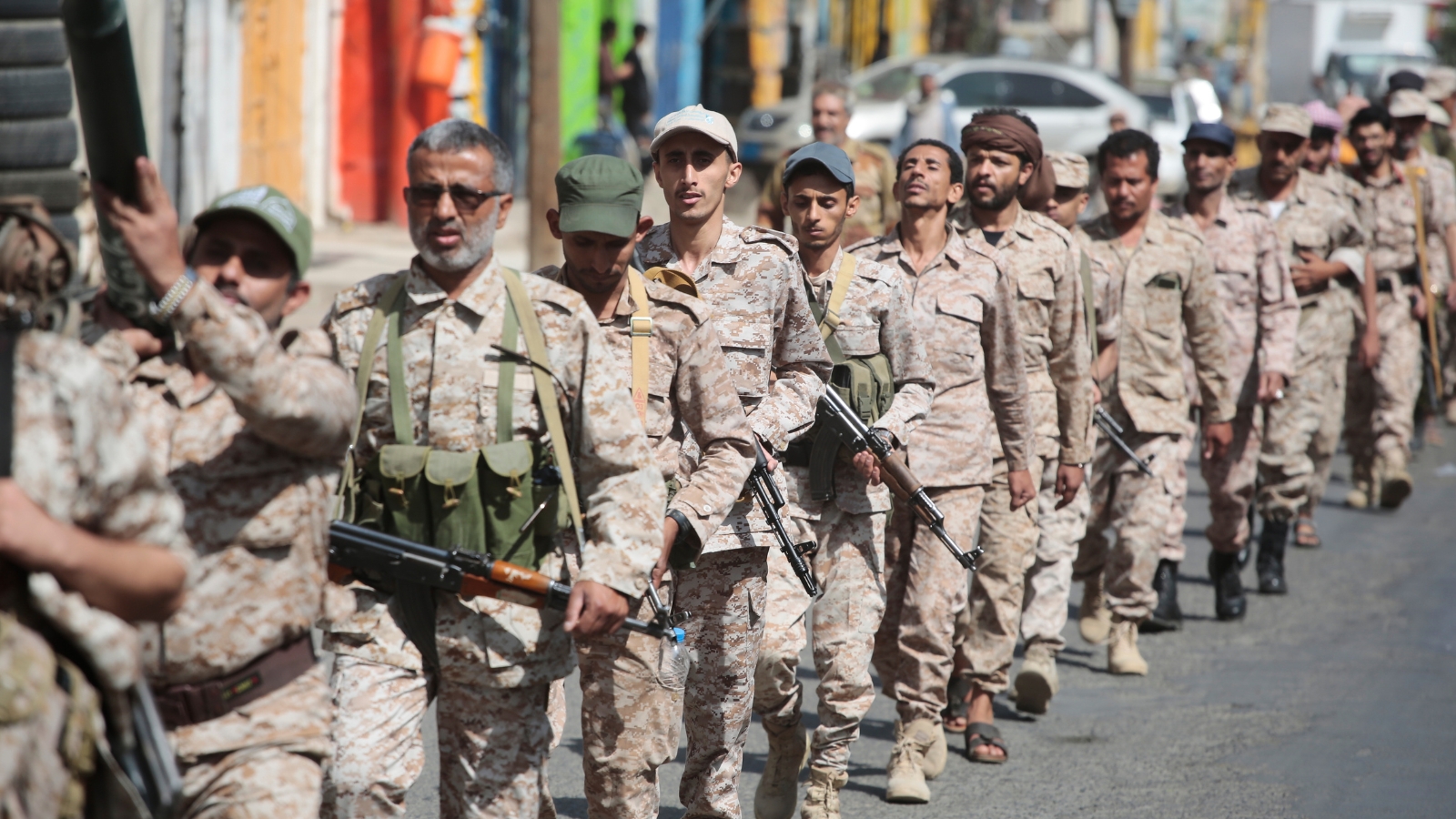
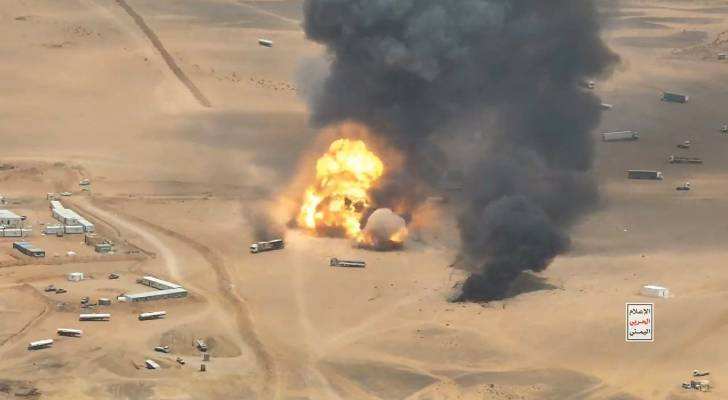
MOCHA — The seizure of the strategic port city of Mocha by Iran-backed Houthi forces has placed the Bab al-Mandeb strait, one of the world's most critical shipping lanes, under immediate threat. By capturing this western coastal hub and pushing government troops south toward Dhubab, the Houthis have gained a decisive vantage point to inhibit international trade and attack vessels moving between the Red Sea and the Gulf of Aden.
The offensive marks a shift from periodic harassment to a concerted attempt to choke a global maritime artery. This escalation follows a surge of Houthi missile and drone strikes against energy facilities in southern Saudi Arabia, which wounded 73 people on September 8, 2026. The resulting instability has already contributed to Brent crude oil prices climbing past $100 per barrel.
Related YouTube video


Maritime Expansion and the Red Sea Chokehold
The capture of Mocha is part of a broader territorial surge. According to reports cited by National Herald India, Ansarallah-led forces have also stormed several Red Sea islands. These include Zuqar Island and the island of Mayun, where the UAE had previously established military and intelligence sites in coordination with Israel. Two military sources from the Saudi-backed Aden government told Reuters that Houthi forces have also reached the Hanish Islands.
This geographic expansion allows the Houthis to project power far beyond their traditional northern strongholds. Former US intelligence director Joe Kent noted on X that the ability to secure these ports indicates support from predominantly Sunni tribes in regions far from the Houthi core, driven by local resentment toward US-backed Saudi and UAE interventions.
The strategic importance of these gains is magnified by the volatility of other waterways. National Herald India reports the Strait of Hormuz has been rendered effectively unsafe, forcing more shipping toward the Bab al-Mandeb, which the Houthis are now positioned to control.
The Makkah Pact: Deterrence or Intervention?
The escalation has triggered a diplomatic crisis within the Makkah Joint Defense Agreement, a trilateral pact signed on August 7, 2026. The agreement stipulates that an armed attack on one member — Saudi Arabia, Pakistan, or Türkiye, is to be treated as an attack on all three.
Internal contradictions have emerged within the Pakistani government regarding the pact's activation. Defense Minister Khawaja Asif warned that "unprovoked aggression or spillover" from Yemen into Saudi Arabia would "definitely make this agreement operational," stating that Islamabad is bound by the terms of the pact. However, the Pakistani Foreign Office has attempted to soften this stance. Spokesperson Sajjad Haider Khan characterized the agreement as a defensive alliance
aimed at regional security and deterrence, adding that more time is needed
to fully implement the agreement's mechanisms.
| Stakeholder | Position on Makkah Pact | Stated Goal |
|---|---|---|
| Khawaja Asif (Defense Minister) | Operational trigger likely | Honoring binding obligations against aggression |
| Sajjad Haider Khan (Foreign Office) | Defensive/Deterrence only | Consolidating cooperation; avoiding immediate expansion |
| Türkiye Foreign Ministry | Urgent condemnation | Immediate end to Houthi aggressive actions |
While some observers have compared the pact to an Islamic NATO
, India TV News reports that Islamabad has since described the arrangement as purely defensive to avoid being drawn into pre-existing conflicts involving non-state actors.
Military Capabilities and the Iranian Connection
The Houthis' ability to sustain this offensive stems from a combination of Iranian investment and domestic innovation. While part of Iran's axis of resistance
, the group has developed a domestic drone industry by sourcing components through illicit commercial channels. Abdughani Al-Iryani of the Sanaa Center for Strategic Studies told The Christian Science Monitor that smuggling has increased to the point where the group can operate independently of direct Iranian shipments.
This military surge coincides with a precarious humanitarian state. In Houthi-controlled northern Yemen, where most of the 40 million residents live, the World Food Programme suspended general food distribution in December 2023. According to the International Organization for Migration, nearly 20,000 people have fled their homes during the most recent wave of fighting, which has killed at least 500 people, mostly combatants.
The Houthis are currently using this peak of relative military power to pressure Riyadh. Their goal, according to Al-Iryani, is to force Saudi Arabia back to the negotiating table for diplomatic accommodation. Saudi officials had indicated a willingness to recognize Houthi rule in April 2023, but a long-term deal never materialized.
Frequently Asked Questions
Why is the port of Mocha strategically important?
Mocha is located on Yemen's western coast just north of the Bab al-Mandeb strait. Its seizure allows the Houthis to control the entrance to one of the world's busiest shipping lanes, enabling them to target commercial vessels and disrupt global trade more effectively.
What is the Makkah Joint Defense Agreement?
Signed August 7, 2026, by Saudi Arabia, Pakistan, and Türkiye, it is a collective defense pact where an attack on one member is considered an attack on all. It is intended to provide mutual protection and regional deterrence.
How has the conflict affected global oil prices?
Houthi attacks on Saudi energy facilities, including Aramco installations, combined with broader tensions between the U.S. And Iran, pushed the price of a barrel of Brent crude oil past $100 as of September 10, 2026.
The path to a diplomatic resolution remains blocked by fundamental ideological contradictions. While the Houthis seek political recognition, their stated long-term objectives include the liberation
of the holy cities of Mecca and Medina, both of which are within Saudi territory. For Riyadh, any agreement reached while the Houthis are ascending militarily and Iranian influence is growing would be perceived as a capitulation.
Archypedia is dedicated to independent, evidence-backed reporting. This briefing was synthesized from primary source reporting, corroborated across independent newsrooms, and verified against our Editorial Standards.
Transparency record
Evidence behind this report
This report synthesizes 7 distinct sources. Open the source ledger below to compare the underlying coverage.
- nation.com.pk
- csmonitor.com
- nationalheraldindia.com
- indiatvnews.com
- abbtakk.tv
- english.dainikjagranmpcg.com
- republicworld.com
Prepared under the Archypedia Editorial Policy by the Samir Haddad editorial desk profile. AI-assisted tools may support drafting and verification; public accountability remains with Archypedia. Report an error.