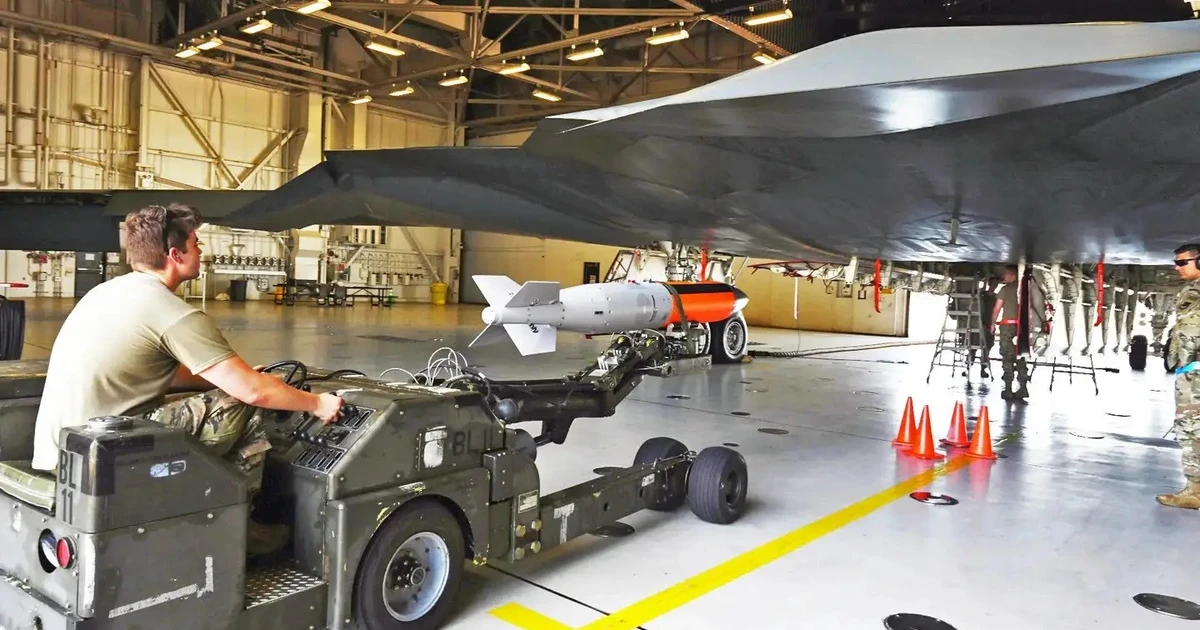
China test-launches ballistic missile from submarine into South Pacific
The People's Liberation Army Navy conducted a submarine-launched ballistic missile test, prompting concern from New Zealand, Australia, and Japan.

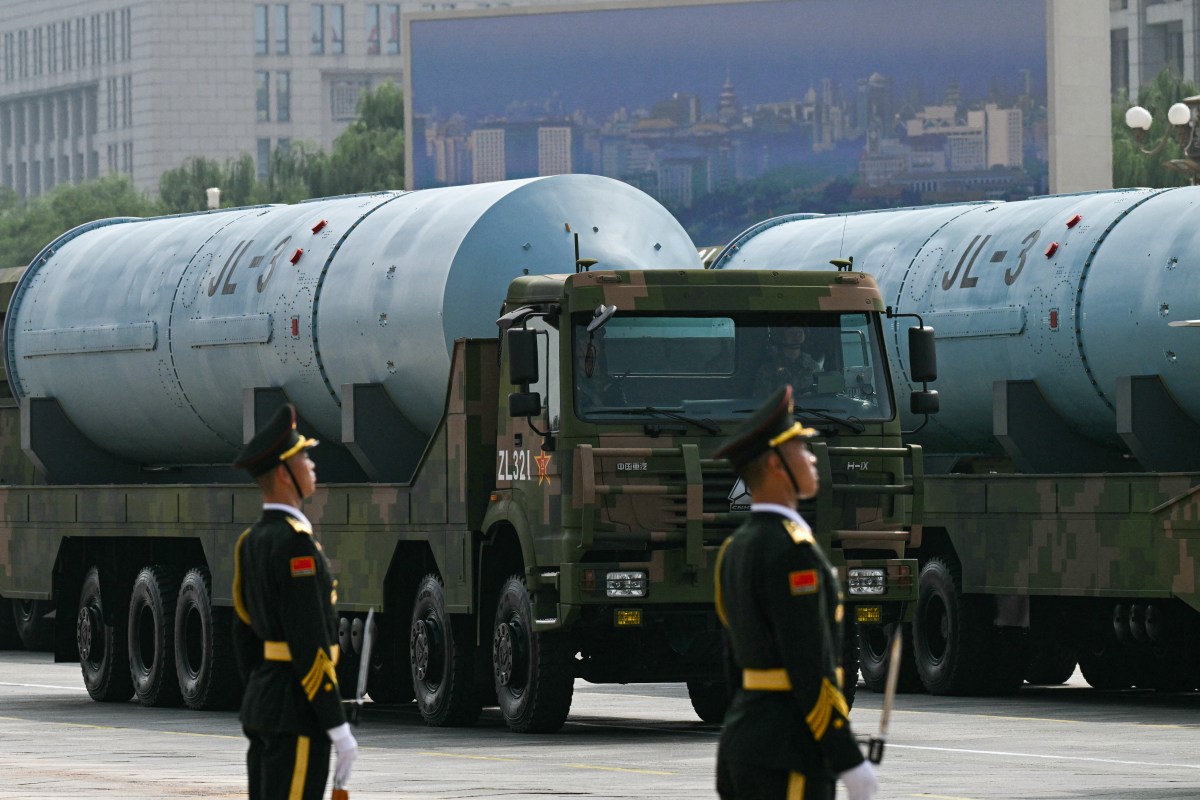
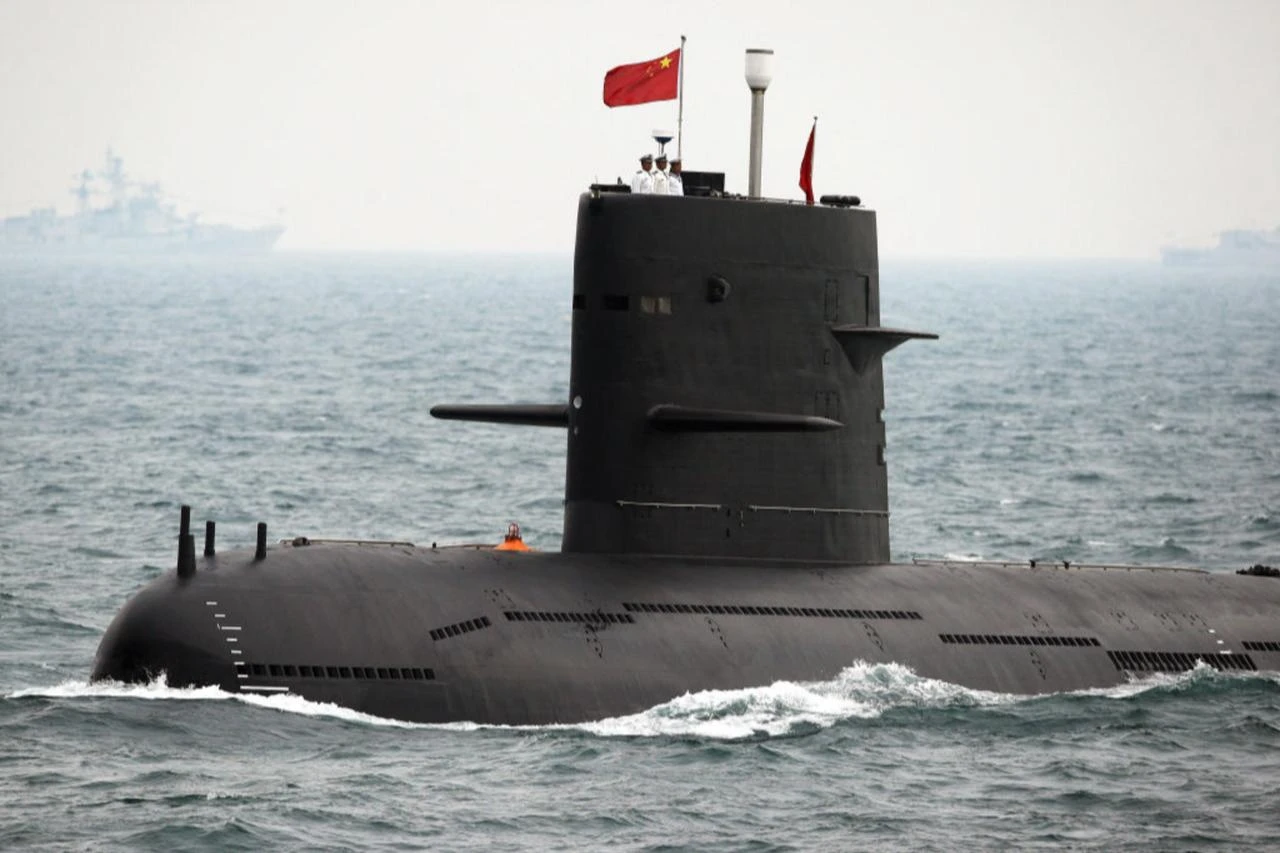
China’s military successfully test-launched a long-range ballistic missile from a nuclear-powered submarine into the South Pacific on Monday, 6 July 2026. The launch, which occurred at 12:01 p.m., involved a projectile carrying a dummy warhead that landed in a predetermined sea area, according to the official Xinhua News Agency. The maneuver marks the second such event in the Pacific in two years, following a September 2024 intercontinental ballistic missile test.
The exercise was described by the Chinese Ministry of Defense and People's Liberation Army Navy spokesperson Senior Captain Wang Xuemeng as a routine arrangement within the country's annual military training cycle. Chinese officials maintained that the test complied with international law and was not directed at any specific country or target.
Related media

Regional Reaction and Security Concerns
New Zealand Foreign Minister Winston Peters described the launch as an unwelcome and concerning development
, noting that his government was alerted only hours before the event. Peters expressed further concern that the firing occurred within the South Pacific Nuclear Free Zone established by the 1986 Treaty of Rarotonga, which prohibits the testing of nuclear explosive devices in the region.
Australia’s government similarly labeled the test destabilizing. Foreign Minister Penny Wong, speaking from Fiji, stated that the exercise lacked the transparency and reassurance expected of regional partners.
In Japan, the government issued a formal request for China to reconsider the test prior to its execution, citing concerns that the project could threaten national security or involve debris falling into Japan’s exclusive economic zone. Chief Cabinet Secretary Minoru Kihara characterized the launch as part of an intensification of military activity that has become a grave concern
for Tokyo.
Strategic Context and Military Modernization
The launch coincided with the signing of a new mutual defense treaty between Australia and Fiji, a pact designed to elevate security cooperation and counter influence in the Pacific. While the timing prompted speculation regarding a potential link between the two events, Australian officials have stated they do not believe the test was intended as retaliation for the new alliance.
The test also occurs simultaneously with annual joint naval exercises between China and Russia near Qingdao. Maritime intelligence data from Starboard indicated that multiple Chinese satellite-tracking vessels were operating in the Pacific around the time of the launch, with at least one ship, the Yuan Wang 5, berthed in Suva, Fiji, earlier that week.
Current assessments of China's military capabilities highlight an accelerating modernization effort. According to the Nuclear Threat Initiative, China maintains a fleet of six ballistic-missile submarines and 59 nuclear-powered attack submarines. In its reporting to the United States Congress, the Pentagon estimated that China’s nuclear stockpile could exceed 1,000 warheads by 2030.
What to Watch Next
As Pacific nations digest the implications of Monday’s launch, several factors remain under observation by regional security analysts:
- Normalization of Testing: New Zealand and other Pacific partners have signaled a desire to prevent such launches from becoming a routine or accepted feature of the region's security environment.
- Diplomatic Repercussions: Foreign ministries in the region have flagged plans for further discussions with partners to address the transparency issues raised by the short notice provided by Beijing.
- Technological Progression: Observers are tracking whether China will continue to deploy ballistic-missile submarines for open-sea testing, which demonstrates a more difficult-to-detect strike capability than the land-based test observed in 2024.
How significant is this development?
Contribute your assessment to the aggregated reader intelligence ledger.
Archypedia is dedicated to independent, evidence-backed reporting. This briefing was synthesized from primary source reporting, corroborated across independent newsrooms, and verified against our Editorial Standards.
Transparency record
Evidence behind this report
This report synthesizes 12 distinct sources. Open the source ledger below to compare the underlying coverage.
- apnews.com
- cbsnews.com
- yahoo.com
- nypost.com
- newsweek.com
- smh.com.au
- turkiyetoday.com
- armyrecognition.com
- abc.net.au
- straitstimes.com
- hongkongfp.com
- cryptobriefing.com
Prepared under the Archypedia Editorial Policy by the Samir Haddad editorial desk profile. AI-assisted tools may support drafting and verification; public accountability remains with Archypedia. Report an error.