Marvel Tokon restricted in 132 countries on Steam over PSN access concerns
Sony Interactive Entertainment has restricted sales of the upcoming fighting game Marvel Tōkon across 132 regions, sparking concerns over PSN requirements.
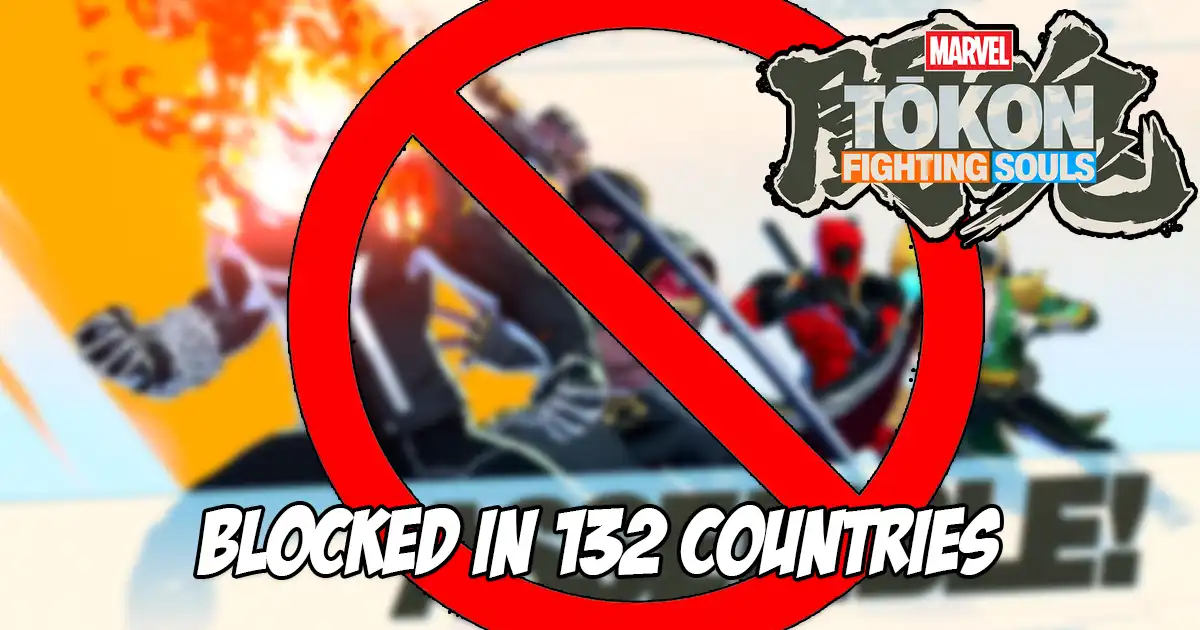
Purchases for the upcoming fighting game Marvel Tōkon: Fighting Souls have been restricted across 132 countries on the Steam storefront. The title, developed by Arc System Works and published by Sony Interactive Entertainment (SIE), is scheduled for release on 6 August 2026. While the game remains available for the PlayStation 5, potential PC players in regions including Egypt, Serbia, Morocco, Haiti, and many others across Africa, the Middle East, and parts of the Caribbean are currently unable to acquire the software.
Industry observers and gamers attribute the regional blocks to the PlayStation Network (PSN), which is unsupported in the affected territories. According to data from SteamDB, these regions were added to a list of purchase-restricted countries as early as 19 February 2026.
Related media


A Familiar Pattern
The current situation closely echoes a 2024 controversy involving the game Helldivers 2. In that instance, SIE attempted to enforce a mandatory PSN account-linking requirement for PC users, which resulted in the title being pulled from sale in 177 regions where the network was unavailable. The backlash was significant, characterized by a high volume of negative user reviews on Steam. Following the outcry, SIE reversed its decision.
The technical experience for users in these regions is inconsistent. Unlike the Helldivers 2 case, where store pages for the game became entirely invisible in restricted countries, some users report they can still view the Marvel Tōkon page on Steam. The product page specifies a requirement for a "3rd-party EULA," yet it lacks an explicit mention of a mandatory third-party account.
Broader Industry Implications
The regional block has caused concern within the competitive gaming community, particularly regarding access to software for practice. Players in Morocco, which is set to host an event for the series, have noted their inability to legally obtain the game, creating uncertainty about participation.
These restrictions emerge during a period of intense scrutiny for Sony Interactive Entertainment. The company has recently faced criticism following several strategic announcements, including the decision to end physical disc production for new games by early 2028. Arc System Works has yet to issue a public statement regarding the accessibility of Marvel Tōkon, and Sony has not yet provided clarification on the necessity of PSN access for the title.
Affected Territories
The list of 132 countries where the game is currently restricted includes: Afghanistan, Antigua and Barbuda, Albania, Algeria, Armenia, Angola, Antarctica, Azerbaijan, Bosnia and Herzegovina, Barbados, Bangladesh, Burkina Faso, Burundi, Benin, Brunei Darussalam, Bahamas, Bhutan, Botswana, Belarus, Belize, Cambodia, Democratic Republic of the Congo, Central African Republic, Comoros, Congo, Côte d’Ivoire, Cameroon, Cuba, Cabo Verde, Djibouti, Dominica, Dominican Republic, Estonia, Egypt, Western Sahara, Eritrea, Ethiopia, Fiji, Federated States of Micronesia, Gabon, Grenada, Georgia, Ghana, Gambia, Guinea, Equatorial Guinea, Guinea-Bissau, Guyana, Haiti, Iraq, Iran, Jamaica, Jordan, Kenya, Kyrgyzstan, Kiribati, North Korea, Kazakhstan, Laos, Saint Lucia, Sri Lanka, Liberia, Lesotho, Lithuania, Latvia, Libya, Morocco, Monaco, Moldova, Montenegro, Saint Martin, Madagascar, Marshall Islands, North Macedonia, Mali, Myanmar, Mongolia, Mauritania, Mauritius, Maldives, Malawi, Mozambique, Namibia, Niger, Nigeria, Nepal, Nauru, Papua New Guinea, Philippines, Pakistan, State of Palestine, Palau, Serbia, Rwanda, Saint Kitts and Nevis, Solomon Islands, Seychelles, Sudan, Sierra Leone, San Marino, Senegal, Somalia, Suriname, South Sudan, Sao Tome and Principe, Syria, Eswatini, Chad, Togo, Tajikistan, Timor-Leste, Turkmenistan, Tunisia, Tonga, Trinidad and Tobago, Tuvalu, Tanzania, Uganda, United States Minor Outlying Islands, Uzbekistan, Holy See (Vatican City State), Saint Vincent and the Grenadines, Venezuela, Vietnam, Vanuatu, Samoa, Yemen, Zambia, and Zimbabwe.
As the 6 August 2026 release date approaches, stakeholders continue to watch for an official statement. History suggests that if the publisher faces sufficient public pressure, it may opt to adjust its requirements or lift the regional restrictions, as it did in 2024.
How significant is this development?
Contribute your assessment to the aggregated reader intelligence ledger.
Archypedia is dedicated to independent, evidence-backed reporting. This briefing was synthesized from primary source reporting, corroborated across independent newsrooms, and verified against our Editorial Standards.
Transparency record
Evidence behind this report
This report synthesizes 5 distinct sources. Open the source ledger below to compare the underlying coverage.
Prepared under the Archypedia Editorial Policy by the Niko Vale editorial desk profile. AI-assisted tools may support drafting and verification; public accountability remains with Archypedia. Report an error.