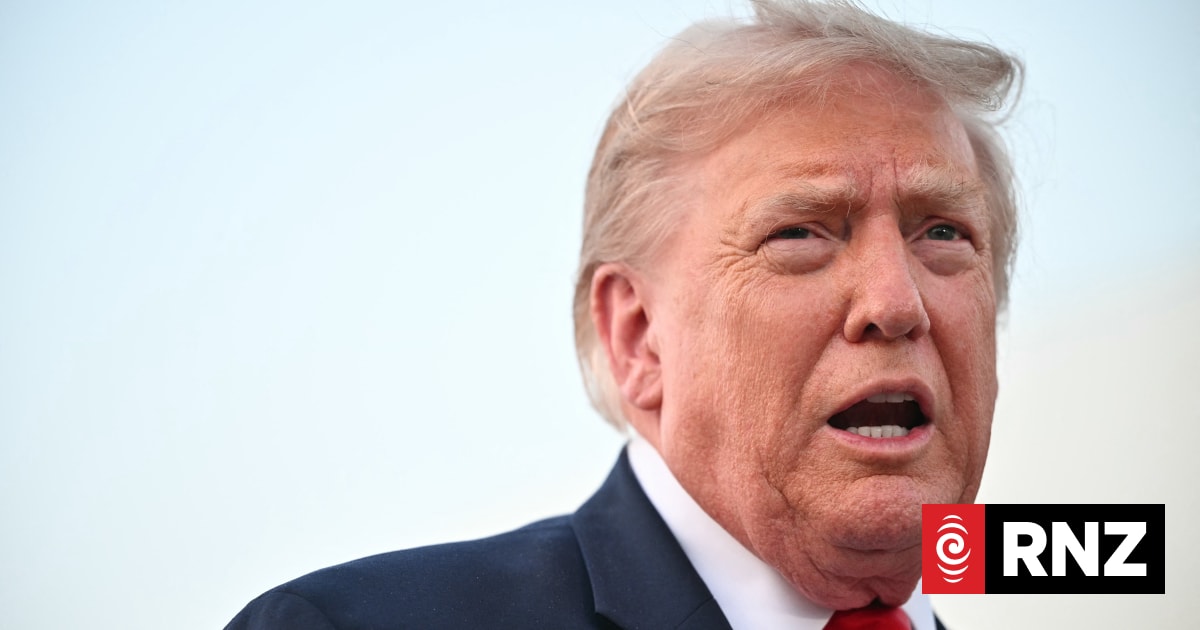
Canada to impose retaliatory tariffs on US goods as trade war escalates
Prime Minister Mark Carney announced dollar-for-dollar retaliatory duties following the collapse of trade negotiations and the implementation of an unprecedented US import tax.

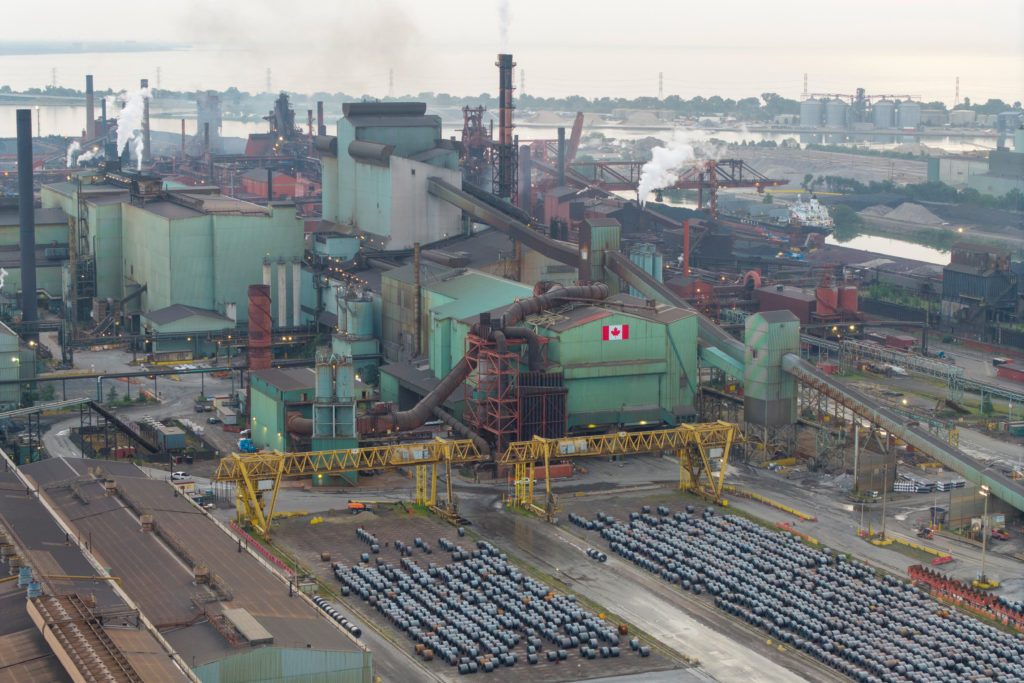
Eleventh-hour trade negotiations between Washington and Ottawa collapsed late on Friday, plunging Canada and the United States into a deepened trade war as a 50 percent U.S. Tariff took effect on Saturday. The unprecedented levy covers roughly $20 billion in Canadian goods, or roughly 5.5 percent of the country’s annual exports to the United States, targeting items ranging from steel and electronics to dairy products and hockey gear, according to reporting by Al Jazeera.
In response, Canadian Prime Minister Mark Carney announced that Canada will match the American duties dollar for dollar. Those retaliatory measures are scheduled to take effect on September 8 and will target U.S. Steel, dairy, appliances, agricultural equipment, pulp and paper, and electronics. Canada will match Washington’s new tariffs dollar for dollar in order to protect Canadian workers, farmers, families, and businesses,
Carney told reporters in Ottawa, as reported by Al Jazeera.
Related YouTube video

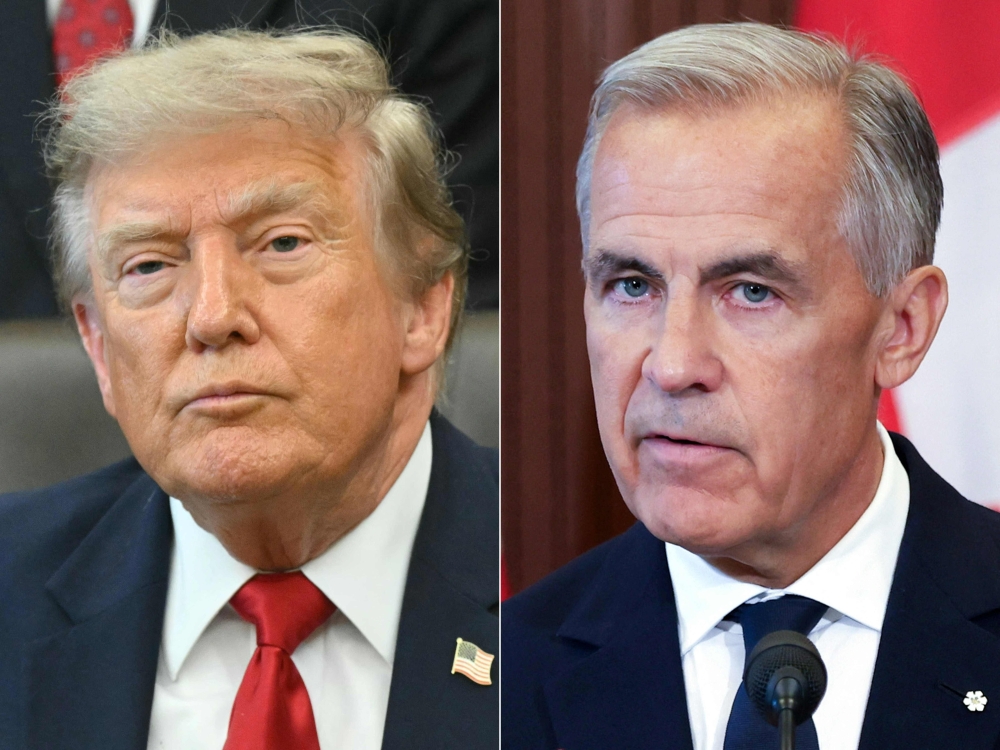
To enact the 50 percent levy, the Trump administration reached back to a long-dormant Depression-era statute: Section 338 of the Tariff Act of 1930, part of the Smoot-Hawley legislation historically noted for restricting global commerce. According to coverage by the Associated Press via PBS, this marks the first time Section 338 has ever been specifically used to impose import taxes, granting the president the authority to levy up to 50 percent on goods from countries deemed to discriminate against U.S. Commerce without requiring a formal preliminary investigation.
The sudden breakdown of talks followed mutual accusations of bad faith and last-minute terms changes. U.S. Trade Representative Jamieson Greer told Fox News that Canadian negotiators introduced late demands that upended a draft agreement reached over days of discussions. Conversely, Carney asserted that Washington shifted its position at the final hour. Speaking in Ottawa, Carney maintained that the U.S. Proposed terms that were uneconomic, unfair and undermined the net benefits for Canada,
while also adding unacceptable demands that would restrict Canada from forging trade deals elsewhere and leveled threats against the French language and Quebec culture, as detailed by Malay Mail.
Domestically, public opinion polling in Canada indicates strong backing for a hard-line stance, with a Leger poll showing 56 percent of Canadians supporting a tougher approach without further concessions, noted Al Jazeera.
With no new discussions currently scheduled between Washington and Ottawa, and U.S. Officials pledging to supply President Donald Trump with options for further escalation, the immediate trajectory of North American trade hinges on the fast-approaching September 8 enforcement date for Canada's retaliatory tariffs.
Economic Shockwaves and Cross-Border Repercussions
The sudden enforcement of the fifty percent U.S. Tariff leaves critical natural resources such as crude oil, potash, and critical minerals exempt, sparing daily flows exceeding four million barrels, according to reporting by the Boston Herald. Nevertheless, University of Calgary economist Trevor Tombe calculated that if the duties persist, Canada faces a loss of nearly 90,000 jobs, with the heaviest export blows concentrating in machinery, electronics, plastics, rubber, furniture, wood, and paper, alongside chemicals and cosmetics. Tombe noted that British Columbia, Ontario, and Quebec would absorb the most severe provincial damage.
- U.S. President Donald Trump invoked Section 338 of the Tariff Act of 1930 without a preliminary investigation, deploying a long-dormant Depression-era statute originally established by the Smoot-Hawley legislation.
- Canadian Prime Minister Mark Carney stated in Ottawa that his government will match American levies dollar for dollar starting September 8, targeting U.S. Steel, dairy, appliances, agricultural equipment, pulp and paper, and electronics.
- Diamond Isinger, a former special adviser to Justin Trudeau, told outlets that the retaliatory action was the only realistic next step to answer Washington with strength, while business leaders warned of rising consumer prices and potential bankruptcies for small and medium-sized enterprises.
Democratic lawmakers and governors representing border states, including New York Governor Kathy Hochul, criticized the escalation on social media by posting on X that the administration was needlessly picking fights with allies and inflating prices at home. Meanwhile, the Business Roundtable—representing 200 chief executives of leading U.S. Corporations—joined the chorus of concern, warning that the new levies threaten to drive up expenses for American businesses and families while urging both capitals back to the negotiating table. As U.S. Trade Representative Jamieson Greer confirmed that no further discussions are currently scheduled and officials prepare additional options for presidential escalation, the next step depends entirely on whether Canada's scheduled retaliatory tariffs take effect as planned.
How significant is this development?
Contribute your assessment to the aggregated reader intelligence ledger.
Archypedia is dedicated to independent, evidence-backed reporting. This briefing was synthesized from primary source reporting, corroborated across independent newsrooms, and verified against our Editorial Standards.
Transparency record
Evidence behind this report
This report synthesizes 5 distinct sources. Open the source ledger below to compare the underlying coverage.
Prepared under the Archypedia Editorial Policy by the Samir Haddad editorial desk profile. AI-assisted tools may support drafting and verification; public accountability remains with Archypedia. Report an error.