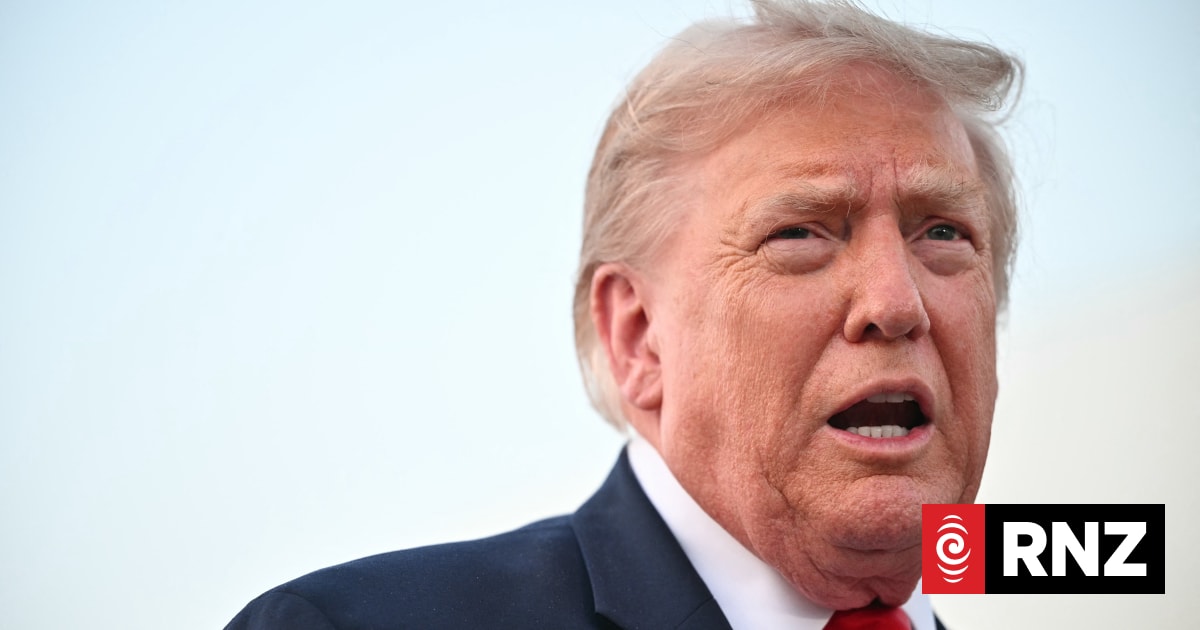
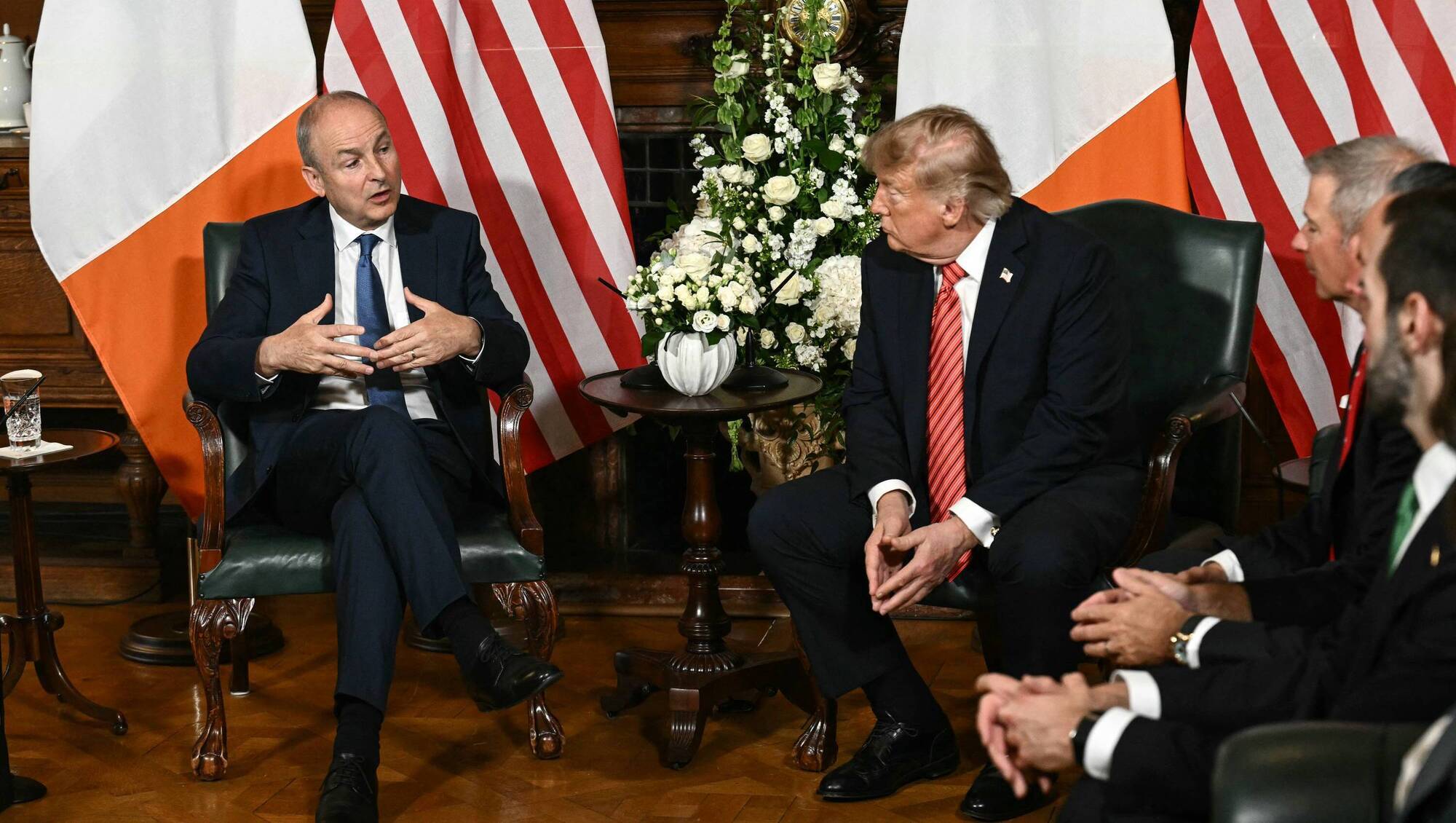
Trump imposes 50% tariffs on $20bn Canadian goods after trade talks collapse
The escalation follows a failed attempt to link the Keystone Pipeline extension to US alcohol sales, prompting Prime Minister Mark Carney to prepare retaliatory levies.

From hockey sticks and furniture to wine and tongue depressors, a diverse array of Canadian exports is now subject to 50% US tariffs. The levies, which took effect on Saturday, target $20 billion worth of goods following the collapse of emergency trade negotiations in Washington.
The sudden escalation marks a transition from diplomatic friction to an active trade war between President Donald Trump and Canadian Prime Minister Mark Carney. The dispute has immediate consequences for small businesses; Dan Kelly, president of the Canadian Federation of Independent Business, estimated that 40% of small Canadian exporters will be directly hit, with nearly one-third expecting revenue drops of 50% or more, according to The Guardian.
Related YouTube video
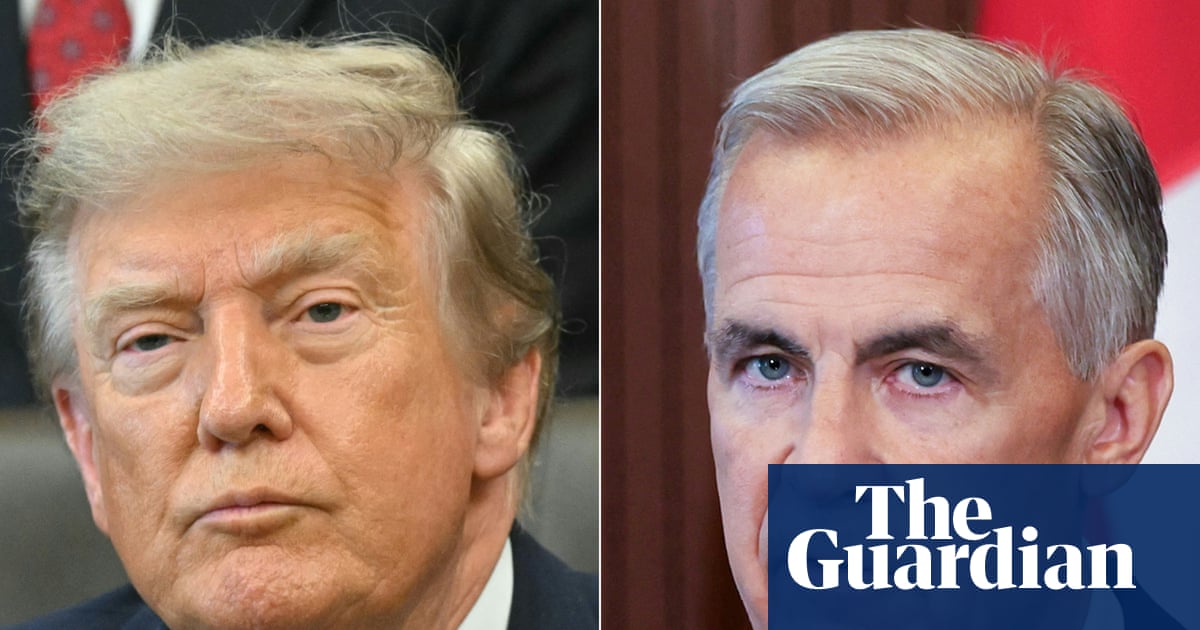

The breakdown occurred late Friday evening. According to Goulburnpost, negotiators had attempted to broker a deal involving the revival of the Keystone Pipeline extension — a project Trump has long championed — in exchange for Canadian provinces lifting bans on US alcohol sales. However, Carney suspended the talks and ordered negotiators to return to Ottawa, citing "last-minute changes" in US terms that he described as "unfair, uneconomic, and called into question the reliability of any deal."
The collapse reveals a fundamental clash in leadership framing. Trump has characterized Canada as an entity that wants the benefits of being a State, without being one!!!
according to Yahoo Canada, echoing his recurring descriptions of Canada as the "51st state." Trump further alleged that Canada has charged US farmers "massive amounts of Tariffs" for many years.
Carney, a former governor of the Bank of England who campaigned on a "fightback" mandate against Trump, has rejected the US terms.
"You're at war when you're attacked, and we got attacked,"
Mark Carney, Prime Minister of Canada, via Yahoo Canada
The friction extends beyond specific product categories into broader systemic failures. Trump has refused to renew the USMCA, the trade pact governing $2tn annually in goods and services, this summer, despite formal renewal requests from Canada and Mexico. This refusal, combined with aggressive trade policies, has contributed to a decline in tourism; The Guardian reports a 21% drop in Canadians entering New York state in 2025, representing 3 million fewer visits compared to the previous year.
Within the US, the tariffs have sparked backlash from border state officials who fear domestic economic fallout. New York Governor Kathy Hochul criticized the policy as "needlessly picking fights with our allies and raising prices here at home," while Minnesota Senator Amy Klobuchar warned of "higher costs for small businesses, farmers, and all Minnesota families," noting that Canada is Minnesota's primary trading partner, according to The Guardian.
According to Goulburnpost, Carney claims the US administration has used a variety of unrelated grievances to justify the tariffs, including:
- Fentanyl trafficking
- Smoke from Canadian forest fires
- Taxes imposed on US tech companies
- A Canadian advertisement that quoted former US President Ronald Reagan
US Trade Representative Jamieson Greer has dismissed the collapse as a "missed opportunity" for Canada. Speaking to Fox & Friends Weekend, Greer stated that the US had "said enough" and taken countermeasures to protect American workers and supply chains, adding that there are no new talks planned with Canada.
The situation has deteriorated further on a grassroots level. The Associated Press reports that a petition to expel US Ambassador Pete Hoekstra from Canada has gathered approximately 248,000 signatures since late July. Public sentiment has shifted sharply; a Globe and Mail poll found only 9% of Canadians view the US as a "trustworthy ally," and 51% of respondents have cancelled trips to the US in response to Trump's comments, according to The Guardian.
Canada is now preparing a "dollar for dollar" response. Prime Minister Carney has announced that retaliatory levies will target specific US sectors to protect Canadian industries. These tariffs, focusing on steel, dairy products, agricultural equipment, and electronics, are scheduled to enter force on September 8.
Economic Fallout and the "Dollar for Dollar" Response
The timing of the collapse suggests a failed effort to resolve long-standing frictions before a strict US deadline. Negotiators worked late into Friday evening in Washington, but according to Goulburnpost, the process ended when Carney suspended talks and recalled his team to Ottawa, claiming US terms had become "unfair" and "uneconomic" at the final hour.
The resulting 50% levies target a wide spectrum of Canadian exports. While the US focus remains on protecting American supply chains, the specific Canadian products hit include:
- Wine and dairy products
- Ice hockey sticks
- Furniture
- Tongue depressors
Prime Minister Carney has characterized these moves as a "miscalculation" by Trump. In response, Canada is preparing a retaliatory package intended to defend domestic industries and ensure they can compete against US imports. According to The Guardian, these Canadian levies will target electronics, appliances, steel, and dairy.
The trade war arrives as the broader framework for North American commerce remains unstable. Trump's refusal to renew the USMCA this summer, despite formal requests for a 16-year extension from Canada and Mexico, has left $2tn in annual trade without a clear long-term agreement. When questioned on the impact of the current collapse, Carney stated that the development was "certainly not good news" for the future of the pact.
The US administration has signaled it will not seek a diplomatic off-ramp. Jamieson Greer told Fox News that the US is already moving forward with measures to respond to Canada's planned retaliation. For the Canadian government, the next step is the implementation of its "dollar for dollar" retaliatory tariffs, which are scheduled to enter force on September 8.
How significant is this development?
Contribute your assessment to the aggregated reader intelligence ledger.
Archypedia is dedicated to independent, evidence-backed reporting. This briefing was synthesized from primary source reporting, corroborated across independent newsrooms, and verified against our Editorial Standards.
Transparency record
Evidence behind this report
This report synthesizes 4 distinct sources. Open the source ledger below to compare the underlying coverage.
Prepared under the Archypedia Editorial Policy by the Samir Haddad editorial desk profile. AI-assisted tools may support drafting and verification; public accountability remains with Archypedia. Report an error.