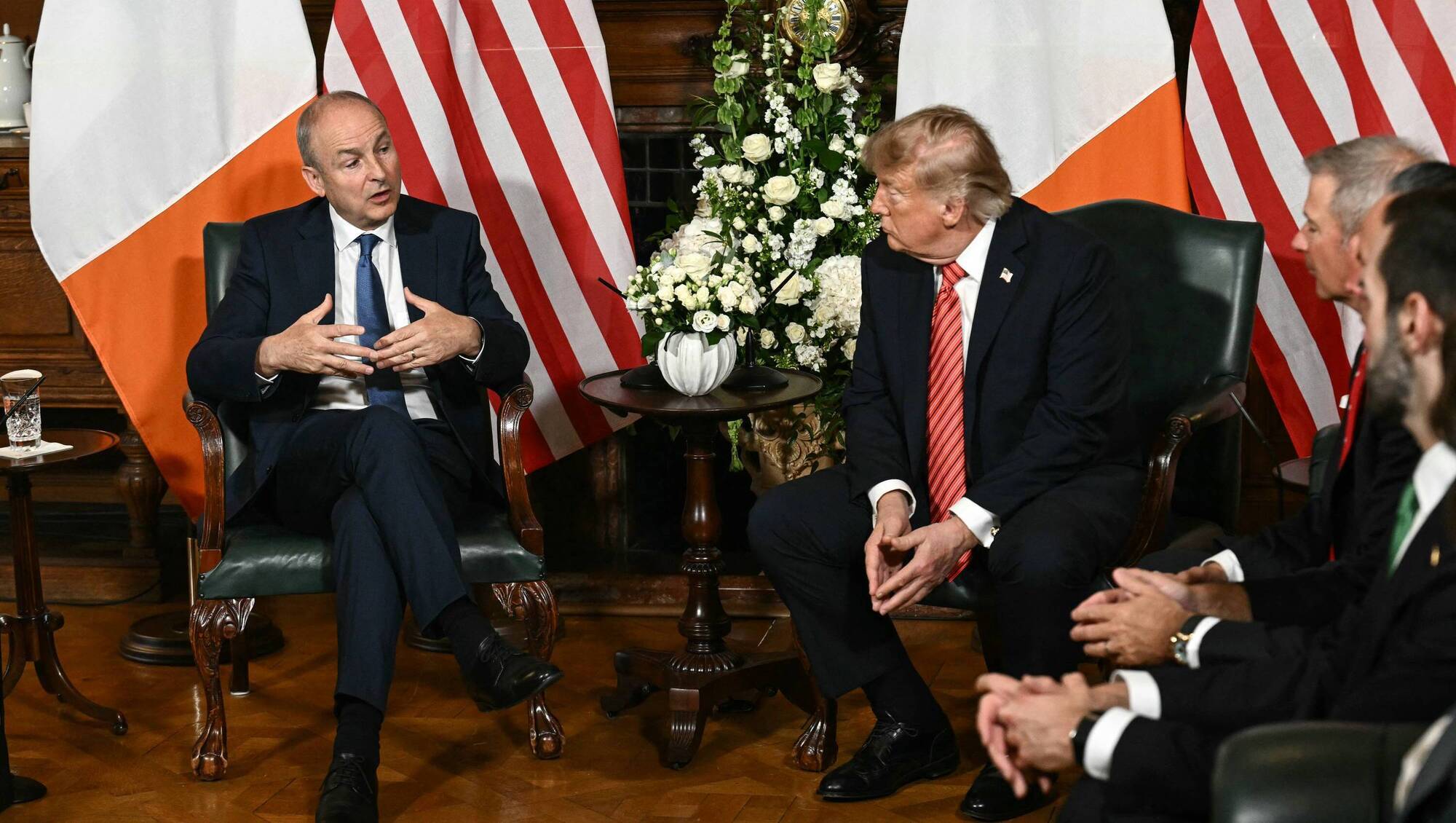
Trump imposes 50% tariffs on Canadian goods, citing trade disputes
President Trump has invoked Section 338 to impose 50% tariffs on a wide array of Canadian goods, citing discriminatory treatment of U.S. products.
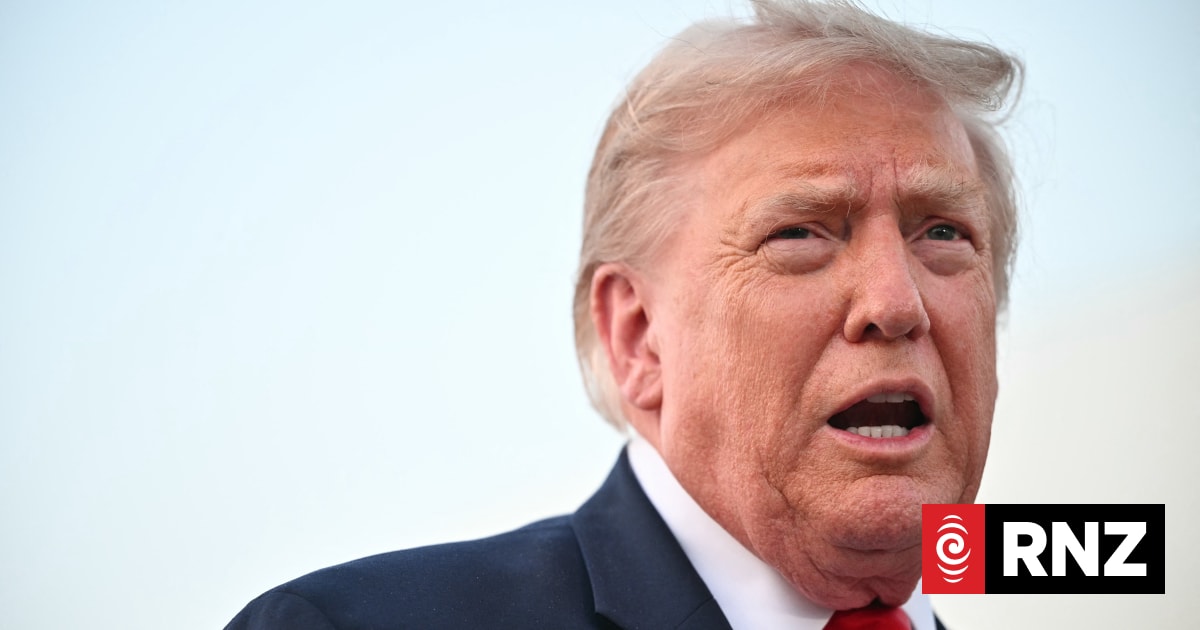
President Donald Trump issued three proclamations on Monday, July 20, 2026, directing the imposition of 50% tariffs on a wide array of Canadian goods. The administration is invoking Section 338 of the Tariff Act of 1930 to justify the levies, citing what it describes as discriminatory treatment of American automobiles, dairy products, and alcoholic beverages. According to the White House, the measures are intended to hold Canada accountable for retaliatory trade actions taken against the United States over the past 18 months.
The new import taxes are scheduled to take effect in 30 days. While the administration maintained through a senior official that the United States is not engaged in a trade war, the announcement has prompted immediate calls for reciprocal action. Ontario Premier Doug Ford stated via social media that if the tariffs proceed, Canada should respond tariff for tariff, dollar for dollar
.
Related media

Scope and Exemptions
The new tariffs apply to a broad range of products. Notably, these duties encompass goods that were previously protected under the United States-Mexico-Canada Agreement (USMCA). However, the administration has excluded several key sectors from the new tax:
- Energy products
- Critical minerals
- Potash
- Fish
Context of Trade Disputes
The U.S. Government cited Canada’s dairy quota system and retaliatory tariffs on U.S.-made vehicles as primary drivers for this week's proclamations.
U.S. Trade Representative Jamieson Greer stated on Monday:
"Today, President Trump took decisive action to hold Canada accountable for its retaliation and discrimination, delivering on his promise to correct trade imbalances and ensure fairness for American workers, farmers, and businesses."
Jamieson Greer, U.S. Trade Representative, via USAToday
The announcement coincides with the upcoming opening of the Gordie Howe International Bridge, a major infrastructure link between Michigan and Ontario. The administration indicated no formal negotiations are presently occurring with Canada regarding the restructuring of the USMCA.
Economic Implications
Market analysts suggest the tariffs introduce significant instability into the global economy. Scott Lincicome, an economist at the Cato Institute, characterized the use of Section 338 as the nuclear option for Trump tariffs
. Beyond the immediate border impact, international institutions are adjusting their forecasts. According to reports from Finance, the Bank of England is monitoring how U.S. Trade policies influence global growth and inflation, with some analysts anticipating that the resulting massive uncertainty
may compel central banks to lower interest rates to insulate their own economies.
The administration also clarified that these tariffs are distinct from the president’s recent comments regarding Canadian wildfire smoke. While Trump and Canadian Prime Minister Mark Carney discussed the issue during a meeting at the World Cup final, the senior official stated that the wildfire situation was not the basis for the current 50% tariff action.
What to Watch Next
- Negotiation Windows: As the administration has historically walked back or delayed similar measures, the next 30 days are viewed as a critical period for potential bilateral talks.
- Legislative Responses: Following the Supreme Court's earlier ruling that the administration lacked authority to impose tariffs via emergency declarations, the reliance on Section 338 faces scrutiny from lawmakers who have previously proposed repealing the section to prevent executive economic intervention.
Archypedia is dedicated to independent, evidence-backed reporting. This briefing was synthesized from primary source reporting, corroborated across independent newsrooms, and verified against our Editorial Standards.
Transparency record
Evidence behind this report
This report synthesizes 9 distinct sources. Open the source ledger below to compare the underlying coverage.
- apnews.com
- rnz.co.nz
- finance.yahoo.com
- usatoday.com
- yahoo.com
- newsweek.com
- theguardian.com
- globalnews.ca
- cbsnews.com
Prepared under the Archypedia Editorial Policy by the Mara Ionescu editorial desk profile. AI-assisted tools may support drafting and verification; public accountability remains with Archypedia. Report an error.