A targeted U.S. Military strike on a vessel bound for an Iranian port has intensified a diplomatic deadlock, as the Trump administration pivots toward more aggressive terms in stalled negotiations with Tehran.
Fast Facts
- Military Action: U.S. Forces struck a ship en route to an Iranian port.
- Diplomatic Status: Iranian negotiators have stated that no agreement with the U.S. Will be reached at this time.
- Policy Shift: Donald Trump has reportedly requested the implementation of significantly stricter conditions for any potential deal.
- Economic Risk: Analysts warn of potential instability in the Strait of Hormuz, threatening global fuel price stability.
Military Escalation in Iranian Waters
The geopolitical tension in the Middle East reached a new flashpoint following a U.S. Strike on a ship sailing toward an Iranian port. This military action comes amid a broader pattern of confrontation between Washington and Tehran, signaling a willingness by the U.S. To employ kinetic force to disrupt Iranian logistics or strategic interests.
Diplomatic Deadlock and Stricter Terms
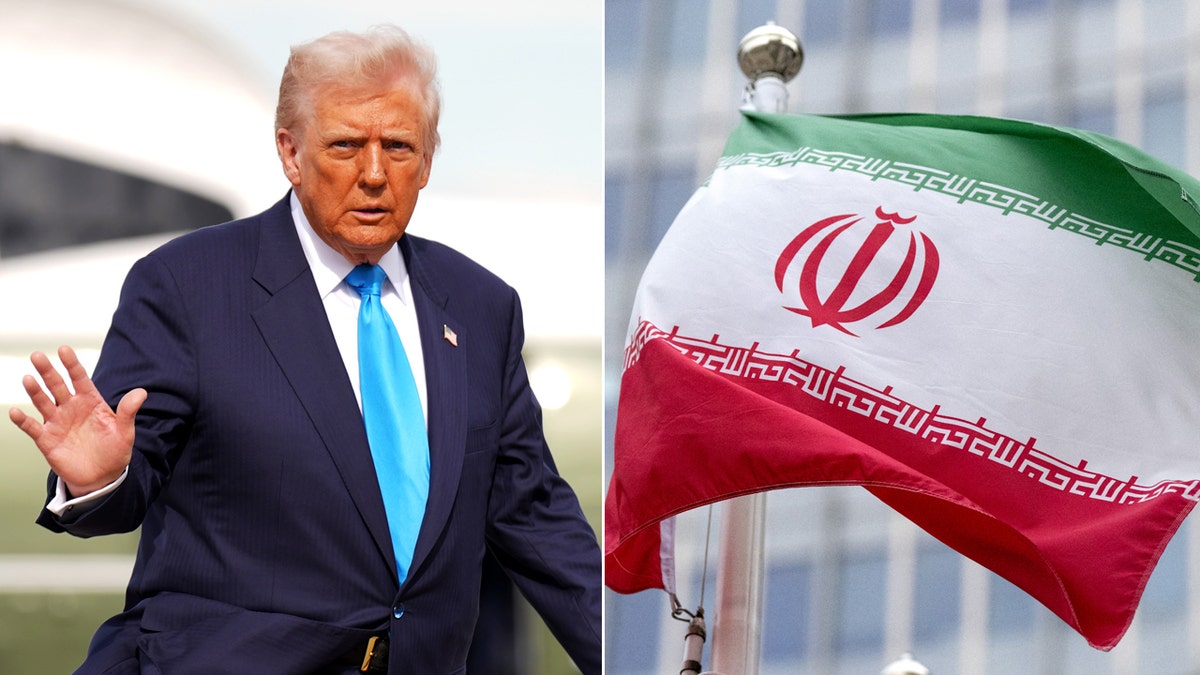
While military tensions rise, diplomatic efforts have hit a wall. Reports indicate that Donald Trump has taken a last-minute step in the negotiation process by demanding the establishment of more rigorous and stringent conditions for any agreement with Iran. This shift toward a “maximum pressure” diplomatic stance has effectively frozen current talks.
The response from Tehran has been definitive. An Iranian negotiator clarified the current state of affairs, stating:
There will be no agreement with the U.S. Now.
Iranian Negotiator
Global Energy Risks and the Hormuz Factor
Beyond the immediate military and diplomatic friction, the conflict is casting a shadow over global energy markets. While the Trump administration has made bold promises regarding the reduction of fuel prices, international experts are issuing warnings about the potential for a “Hormuz aftermath.”
The Strait of Hormuz, a critical chokepoint for the world’s oil supply, remains the primary point of vulnerability. Analysts suggest that if tensions escalate into a broader conflict or a blockade of the strait, any promises of lower energy costs could be offset by massive price spikes driven by regional instability.
