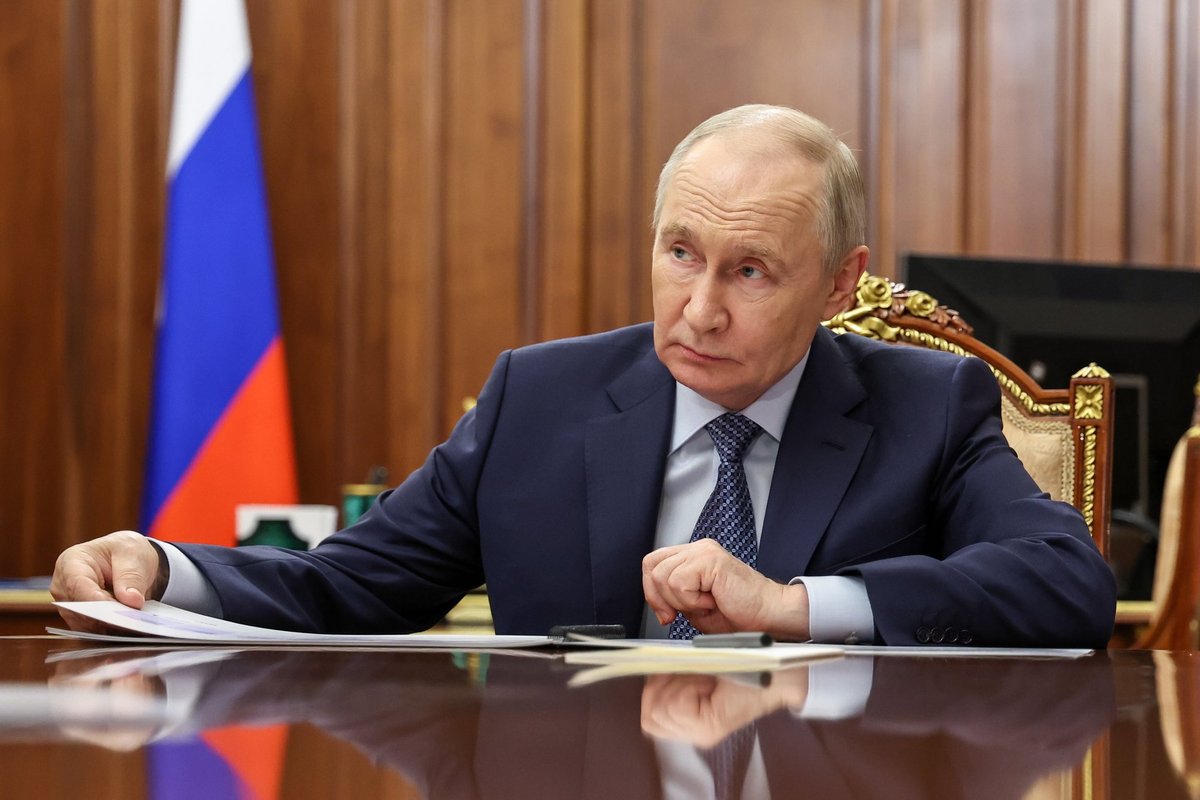
The Russian State Duma has demanded the Kremlin release a classified “war termination plan,” escalating internal pressure on President Vladimir Putin as his invasion of Ukraine enters its third year amid mounting strategic failures.
In an unprecedented move, Russian lawmakers openly challenged Putin’s leadership, with one deputy declaring, “We have not heard such bold words from any Russian parliamentarian before.” Meanwhile, the U.S. government has formally labeled the war a “strategic catastrophe,” while former Russian officials hinted that Putin may face internal pushback severe enough to force him to end the conflict.
Why the Duma’s Demand Signals Growing Fractures in Moscow
Russian lawmakers have called for the publication of a secret “plan for ending the war in Ukraine,” according to reports from local media. The demand, framed as a parliamentary inquiry, reflects deepening divisions within the Kremlin’s inner circle, where officials and military leaders have privately criticized the war’s prolonged stalemate and economic toll.
No official confirmation exists that such a plan exists, but the Duma’s request—submitted by a group of deputies—suggests growing frustration with Putin’s handling of the conflict. One lawmaker, quoted by local media outlets, stated that the war had become “unsustainable” and that Russia’s military and economic resources were being drained without clear strategic gains.
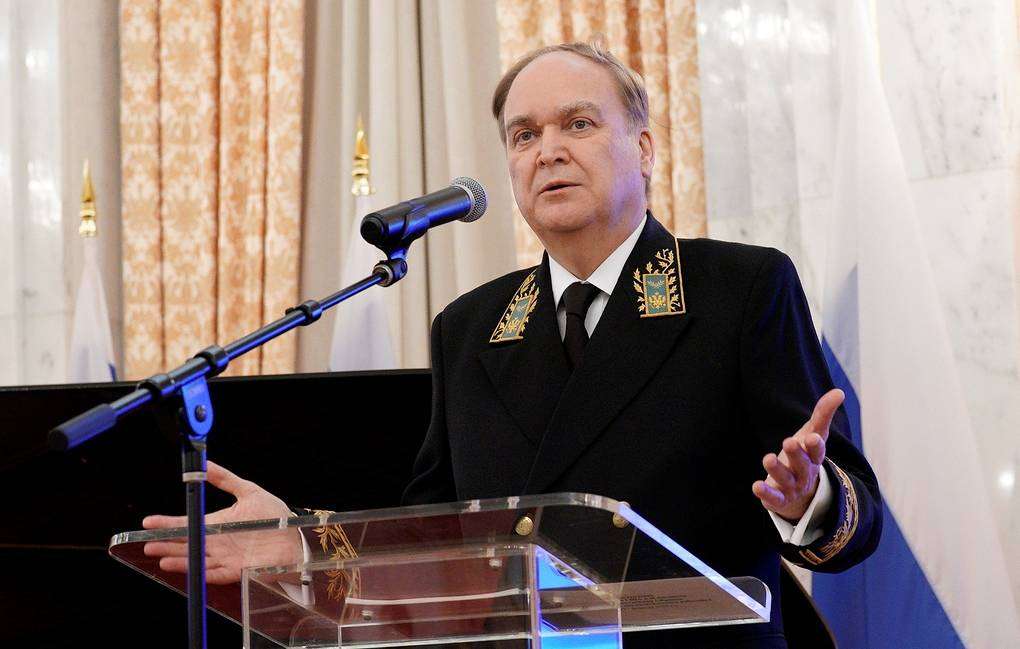
This is not the first time Russian officials have publicly questioned the war’s direction. Earlier this year, a former Russian defense minister, Anatoly Antonov, suggested in an interview that Putin’s refusal to negotiate an end to the conflict could lead to a “civilizational crisis” for Russia. While Antonov stopped short of calling for Putin’s resignation, his remarks underscored the widening gap between the Kremlin’s public rhetoric and private assessments of the war’s trajectory.
U.S. Officially Declares the War a “Strategic Catastrophe”
The U.S. government has taken a starkly critical stance, with American officials describing Russia’s invasion as a “strategic failure” that has isolated Moscow diplomatically and economically. In a rare public assessment, a senior U.S. official told reporters that the war had “undermined Russia’s global standing” and failed to achieve any of its stated objectives, including the removal of Ukraine’s government or the annexation of additional territory.

This assessment aligns with a growing consensus among Western intelligence agencies, which have repeatedly warned that Russia’s military campaign has stalled, with Ukrainian forces regaining lost ground in recent months. The U.S. has also accused Russia of escalating attacks on civilian infrastructure, including strikes on energy grids in Ukraine’s capital, Kyiv, despite international condemnation.
A video released by the Ukrainian government shows the aftermath of a recent Russian missile strike on a residential area in Dnipro, highlighting the human cost of the prolonged conflict:
Former Officials Hint at Internal Pressures on Putin
In a rare public intervention, a former Russian government minister—speaking anonymously to international observers—stated that Putin was “not a suicide” and that internal pressures could eventually force him to reconsider the war. The official suggested that Russia’s military setbacks, combined with economic sanctions, had created a “perfect storm” that could lead to a shift in policy.
While the former minister did not specify what actions might trigger such a shift, their remarks align with reports from Russian opposition figures who have long argued that Putin’s grip on power is weakening. The Duma’s demand for a war termination plan may be an attempt to preempt further internal divisions, but it also signals that even loyalists are questioning the sustainability of the conflict.
What Happens Next: Three Possible Scenarios
Based on the latest developments, three potential outcomes emerge from the current political and military dynamics:
- Accelerated Negotiations: If the Duma’s demand forces the Kremlin to acknowledge the existence of a termination plan, it could lead to indirect talks—possibly through third-party mediators like Turkey or China—to explore a ceasefire or withdrawal.
- Escalation of Internal Purges: Putin may respond by tightening control over the Duma and dismissing deputies who challenge his authority, as seen in past crackdowns on dissent. This could further isolate the Kremlin from even its most loyal supporters.
- Prolonged Stalemate with Heightened Attacks: If no resolution is reached, Russia may intensify its missile and drone strikes on Ukrainian cities, aiming to force a negotiated settlement on terms favorable to Moscow.
The next few months will be critical, as both sides prepare for what could be the war’s most volatile phase yet. With Ukraine’s counteroffensive gaining momentum and Western military aid continuing to flow, the balance of power on the ground remains a key factor in determining whether the conflict will drag on or force a diplomatic breakthrough.
