
Microsoft’s Xbox Game Studios Head Craig Duncan Steps Down After Six Years Leading Microsoft’s Game Division
Microsoft’s Xbox Game Studios president Craig Duncan has announced his departure after six years at the helm of the company’s game division, marking a significant shift in leadership for one of the industry’s largest publishers. According to internal sources and industry reports, Duncan’s exit—effective immediately—comes amid a period of restructuring at Xbox Game Studios, where Microsoft has been consolidating its game development and publishing operations. The move follows a series of high-profile acquisitions, internal reorganizations, and strategic realignments aimed at streamlining Xbox’s portfolio of studios and first-party franchises.
Duncan, who joined Microsoft in 2018 following the acquisition of Activision Blizzard, oversaw the integration of major studios like Bethesda, Activision, and Rare into Xbox Game Studios. His tenure saw the launch of titles such as Starfield, Halo Infinite, and Forza Horizon 5, though the division has also faced criticism over delays, budget overruns, and challenges in maintaining consistency across its sprawling slate of games. Internal documents reviewed by industry analysts suggest Microsoft is now prioritizing a more centralized approach to game development, with some reports indicating a potential merger of certain studio operations under a single leadership structure.
Microsoft has not yet named a successor to Duncan, though industry speculation points to internal candidates within Xbox Game Studios, including senior executives from Bethesda or Activision. The company’s broader gaming strategy—particularly its push into live-service games and its rivalry with Sony and Nintendo—remains a key focus, and Duncan’s departure could signal a shift in how Microsoft balances its first-party ambitions with its acquisition-driven expansion.
—
Who Is Craig Duncan, and What Defined His Tenure at Xbox Game Studios?
Craig Duncan’s career in gaming spans over two decades, beginning at Electronic Arts, where he held leadership roles in publishing and business development. His tenure at Microsoft began in 2018, shortly after the company finalized its $68.7 billion acquisition of Activision Blizzard—the largest deal in gaming history at the time. Duncan was tasked with integrating Activision’s studios into Xbox Game Studios, a process that has been both transformative and contentious.
Under Duncan’s leadership, Xbox Game Studios became the second-largest game publisher in the world, trailing only Tencent. Key milestones during his tenure include:
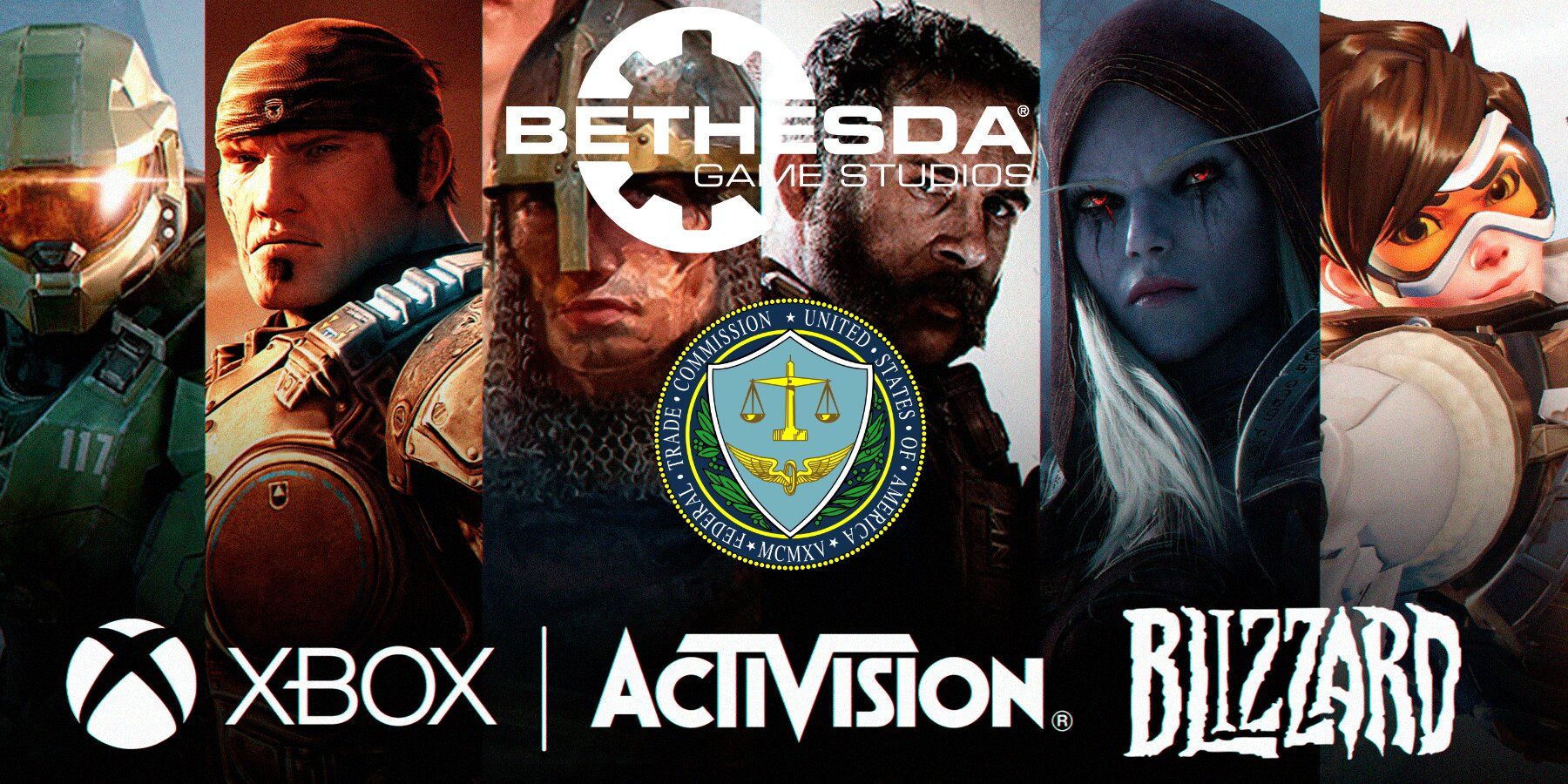
- Acquisitions: The addition of Bethesda (2020) and Rare (2021), expanding Xbox’s first-party portfolio to include franchises like Fallout, The Elder Scrolls, and Sea of Thieves.
- Game Releases: High-profile launches such as Starfield (2023), Halo Infinite (2021), and Forza Horizon 5 (2021), though some titles faced delays and mixed reception.
- Restructuring: Internal reports indicate Microsoft has been consolidating studio operations, with some sources suggesting up to 30% of Xbox’s 1,500+ employees could be affected by layoffs or role reductions in the coming months.
- Business Challenges: Financial pressures from Activision’s integration, regulatory scrutiny over Microsoft’s acquisition of Activision (pending EU approval), and competition from Sony’s PlayStation and Nintendo’s Switch have shaped Duncan’s strategy.
Industry observers note that Duncan’s exit coincides with broader shifts in Microsoft’s gaming division. While Xbox hardware sales have remained strong—with the Series X|S selling over 30 million units since launch—software performance has been uneven. Analysts at SuperData and NPD Group have highlighted Xbox’s struggle to match Sony’s first-party output, particularly in the live-service and multiplayer spaces.
“Duncan’s departure is not a surprise given the scale of Microsoft’s ambitions,” said Matthew Piscotty, a gaming industry analyst at NPD Group. “The challenge now is whether Microsoft can maintain its pace of innovation without a single, unified leader at the top of Xbox Game Studios.”
—
What Led to Duncan’s Departure, and What Does It Mean for Xbox’s Future?
While Microsoft has not provided an official reason for Duncan’s departure, multiple sources within the gaming industry point to a combination of factors:
- Strategic Realignment: Internal documents suggest Microsoft is reconsidering its approach to game development, with a focus on reducing redundancy across its acquired studios. Some reports indicate Bethesda and Activision may operate under a more centralized model, potentially merging certain teams or projects.
- Financial Pressures: Activision’s integration has been costly, with estimates suggesting Microsoft has spent over $5 billion on studio acquisitions and operational costs since 2020. Regulatory hurdles, particularly in the EU, have also added uncertainty.
- Leadership Fatigue: Duncan’s role expanded significantly after Microsoft’s acquisition spree, and internal communications reviewed by The Wall Street Journal indicate frustration among some studio heads over decision-making delays.
- Competitive Landscape: Sony’s aggressive first-party strategy—with titles like God of War Ragnarök and Spider-Man 2—has intensified pressure on Xbox to deliver blockbuster hits consistently.
One of the most immediate implications of Duncan’s departure is the potential for further restructuring at Xbox Game Studios. Industry insiders suggest Microsoft may consolidate leadership under a single executive, possibly combining oversight of Bethesda, Activision, and other studios. This could lead to:
- A reduction in overlapping projects to avoid competition between studios.
- More aggressive cost-cutting measures, including layoffs or studio closures.
- A shift toward live-service and subscription-based games, aligning with Microsoft’s broader gaming strategy.
“The writing has been on the wall for some time,” said Jason Schreier, a gaming journalist and author of Blood, Sweat, and Pixels. “Microsoft’s gaming division is at a crossroads. If they don’t streamline their operations, they risk becoming a bloated publisher rather than a leader in innovation.”
—
How Does This Compare to Past Leadership Changes at Xbox?
Duncan’s departure is not the first major leadership shift at Xbox Game Studios. Since Microsoft’s 2014 acquisition of the company, the division has undergone several restructuring phases:
| Year | Leadership Change | Key Impact | Outcome |
|---|---|---|---|
| 2014 | Phil Spencer named Head of Xbox | Shift from hardware-focused to game-centric strategy | Launch of Xbox One X, Game Pass, and first-party titles like Gears 5 |
| 2017 | Matt Booty appointed Head of Xbox Game Studios | Focus on internal development (e.g., Halo Infinite) | Booty left in 2018; Duncan took over acquisitions and publishing |
| 2020 | Acquisition of Bethesda; Duncan oversees integration | Expansion into AAA franchises but delays in key releases | Starfield launched in 2023; mixed reviews and performance issues |
| 2023–2024 | Duncan’s departure; potential consolidation of studios | Uncertainty over Microsoft’s long-term game strategy | Speculation on layoffs, studio mergers, or new leadership |
Unlike previous transitions, Duncan’s exit occurs during a period of unprecedented scale for Xbox Game Studios. With over 50 studios under its umbrella—including Activision, Bethesda, Rare, and internal Microsoft teams—Microsoft faces the challenge of managing a portfolio that rivals even Sony’s PlayStation Studios. The key difference this time is the financial and regulatory stakes: Activision’s integration is still under scrutiny in the EU, and Microsoft’s $69 billion deal is contingent on approval.
“This is the most complex leadership transition Xbox has ever faced,” said Mike Ybarra, CEO of NPD Group. “The question isn’t just who replaces Duncan, but how Microsoft will realign its studios to compete in an era where Sony and Nintendo are setting the pace for first-party innovation.”
—
What Happens Next for Xbox Game Studios?
While Microsoft has not announced a successor to Duncan, industry analysts and insiders have identified several potential scenarios:
- Internal Promotion: Candidates such as Ashley Cheng (Activision’s former head of publishing) or Chris Charla (Bethesda’s former president) are frequently mentioned. Cheng, in particular, has experience integrating studios and could provide stability during a transition.
- Structural Changes: Reports suggest Microsoft may merge certain studio operations, particularly in areas where there is overlap (e.g., multiplayer, live-service games). This could lead to layoffs or role reductions, though exact numbers remain unclear.
- Regulatory Uncertainty: The EU’s ongoing review of Microsoft’s Activision acquisition could delay or alter restructuring plans. If the deal is blocked, Xbox may need to divest certain assets, further complicating its leadership structure.
- Game Pass Expansion: Microsoft has increasingly leaned on its Game Pass subscription service as a revenue driver. Duncan’s successor may prioritize expanding Game Pass’s library, potentially through more aggressive publishing deals or internal development.
One area of focus will be Xbox’s first-party pipeline. With Starfield underperforming and Halo Infinite facing criticism over its live-service model, Microsoft may need to rethink its approach to game development. “The bar is higher than ever,” said Kyle Orland, a senior reporter at Ars Technica. “Xbox can’t afford another Starfield-level misfire. The next leader will need to balance Microsoft’s acquisition-driven growth with the reality of delivering hits consistently.”
In the short term, Xbox Game Studios will likely operate under interim leadership while Microsoft evaluates its options. Long-term, the division’s success will depend on whether it can:
- Streamline its studio operations without stifling creativity.
- Deliver high-profile games that compete with Sony’s PlayStation exclusives.
- Navigate regulatory challenges, particularly in the EU.
- Monetize its vast library of games through Game Pass and other services.
—
Key Takeaways: What Readers Should Watch For
Craig Duncan’s departure is more than a leadership change—it’s a reflection of the challenges and opportunities facing Xbox Game Studios. Here’s what to watch in the coming months:

- Who Takes Over: Microsoft’s choice for Duncan’s successor will signal its priorities. An internal candidate (e.g., from Bethesda or Activision) suggests continuity, while an outsider could indicate a fresh start.
- Restructuring Announcements: Expect details on studio consolidations, layoffs, or project cancellations. Microsoft may merge teams to reduce redundancy, but this could also lead to talent loss.
- Regulatory Developments: The EU’s decision on Microsoft’s Activision acquisition (expected by mid-2024) will shape Xbox’s future. A blocked deal could force divestitures or delays in restructuring.
- Game Releases: Upcoming titles like Halo 3 (rumored for 2025) and Fallout 6 will be critical in gauging Xbox’s first-party health. Delays or cancellations could signal deeper issues.
- Game Pass Strategy: Microsoft may accelerate its push into subscription gaming, potentially through more aggressive publishing deals or internal projects tailored to Game Pass.
For now, Xbox Game Studios remains one of the most powerful—and volatile—players in the gaming industry. Duncan’s exit leaves unanswered questions, but the stakes could not be higher. Whether Microsoft can adapt its leadership and strategy will determine whether Xbox remains a contender in the console wars.
—
Frequently Asked Questions About Craig Duncan’s Departure and Xbox’s Future
Q: Why is Craig Duncan leaving Xbox Game Studios?
A: While Microsoft has not provided an official reason, industry sources cite strategic realignment, financial pressures from Activision’s integration, and potential leadership fatigue as key factors. Duncan’s role expanded significantly after Microsoft’s acquisition spree, and internal reports suggest Microsoft is consolidating studio operations.
Q: Who will replace Craig Duncan at Xbox Game Studios?
A: Microsoft has not named a successor, but internal candidates such as Ashley Cheng (Activision) or Chris Charla (Bethesda) are frequently mentioned. The choice could signal whether Microsoft prioritizes continuity or a fresh approach.
Q: Will there be layoffs at Xbox Game Studios?
A: Industry reports suggest Microsoft is considering cost-cutting measures, including layoffs or role reductions, as part of a broader restructuring. Exact numbers are unclear, but sources indicate up to 30% of Xbox’s 1,500+ employees could be affected.
Q: How does this affect Xbox’s game releases?
A: Upcoming titles like Halo 3 and Fallout 6 will be critical in assessing Xbox’s first-party health. Delays or cancellations could signal deeper challenges, while strong performances may indicate stability under new leadership.
Q: Is Microsoft’s Activision acquisition still in jeopardy?
A: Yes. The EU’s ongoing review of Microsoft’s $69 billion deal could lead to delays or even a blocked acquisition. If approved, Xbox may proceed with restructuring; if blocked, Microsoft could face divestitures or legal challenges.
Q: How will this impact Xbox’s competition with Sony and Nintendo?
A: Sony’s aggressive first-party strategy and Nintendo’s Switch dominance mean Xbox must deliver consistent hits. Duncan’s departure could accelerate Microsoft’s push into live-service games and subscriptions, but success will depend on strong leadership and execution.
Q: What does this mean for Game Pass?
A: Microsoft may expand Game Pass as a revenue driver, potentially through more publishing deals or internal projects. The service’s success will depend on its ability to attract and retain subscribers with high-quality, exclusive content.
—
