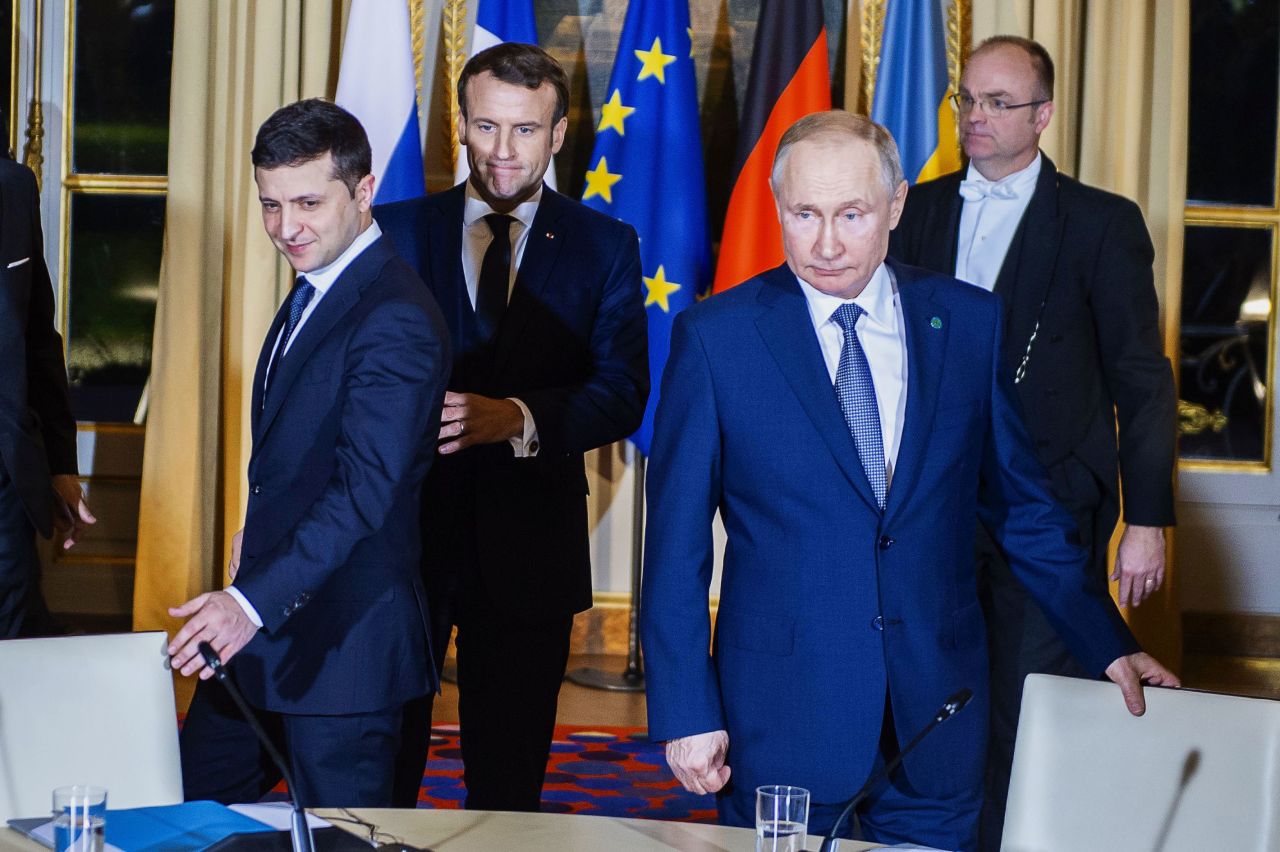
Ukrainian President Volodymyr Zelensky has proposed direct talks with Russian President Vladimir Putin during the upcoming G7 summit in France, a move that could mark a rare diplomatic overture amid nearly two years of war. The invitation, extended through intermediaries, comes as Western allies debate whether to push for negotiations or maintain unified pressure on Moscow.
Zelensky’s proposal, first reported by Latvian media, would see Putin meet with Zelensky alongside U.S. President Joe Biden and French President Emmanuel Macron during the June summit in Bordeaux. The timing is significant: the G7 gathering follows months of stalled peace efforts and rising calls within Europe for a shift toward dialogue, even as Ukraine’s military counteroffensives have stalled.
Why the Proposal Stands Out in a Stalemated War
The suggestion contrasts sharply with Ukraine’s previous stance, which has rejected direct negotiations with Russia without preconditions. Ukrainian officials have long insisted that any talks must include a full Russian withdrawal from occupied territories, a demand Moscow has repeatedly dismissed. Zelensky’s latest move, however, signals a potential pivot—one that could force Western allies to confront their own divisions over how to proceed.

According to Latvian government sources, Zelensky’s team has approached intermediaries to gauge Putin’s interest. The Kremlin has not yet responded publicly, but Russian state media has framed such proposals as futile, citing Ukraine’s refusal to engage without concessions. Meanwhile, European leaders, including Macron, have privately acknowledged the need for “realistic” discussions, though none have endorsed Zelensky’s specific invitation.
How Europe’s Unity on Ukraine Is Fracturing
Zelensky’s gambit comes as cracks emerge in the EU’s united front. While Baltic states and Poland remain staunchly pro-Ukraine, Germany and France have hinted at openness to indirect channels with Russia, provided they do not undermine Kyiv’s sovereignty. A leaked internal EU document, obtained by Latvian outlets, warned that “prolonged stalemate risks eroding Western resolve,” a sentiment echoed by Latvian Foreign Minister Edgars Rinkēvičs.

Rinkēvičs told local media that while Zelensky’s proposal “sounds like a reasonable attempt to break the deadlock,” its success hinges on identifying a credible intermediary—a role neither the U.S. nor NATO has signaled willingness to play. “The devil is in the details,” Rinkēvičs said. “If Putin shows up expecting Ukraine to negotiate territory, this will backfire.”
What This Means for the G7 Summit
The G7 summit, scheduled for June 13–15, will be the first major Western gathering since Russia’s partial mobilization last fall. Biden and Macron have framed the event as an opportunity to reaffirm support for Ukraine, but Zelensky’s proposal introduces an unpredictable variable. White House officials have not commented on the invitation, though a senior administration source told reporters the U.S. would “listen to Ukraine’s leadership” but would not pressure Kyiv into negotiations without security guarantees.
France, meanwhile, has taken a more nuanced stance. Macron’s office confirmed that the president would raise the topic of “de-escalation” with Putin, should the opportunity arise, but stopped short of endorsing direct talks. “Our priority remains supporting Ukraine’s defense,” a French diplomat said. “But we must also consider how to avoid a prolonged conflict that could destabilize global food and energy markets.”
A Historical Precedent: Why This Moment Feels Different
Zelensky’s overture echoes a 2022 proposal by Turkish President Recep Tayyip Erdoğan, who brokered indirect talks between Russia and Ukraine in Istanbul. Those discussions collapsed after a single day, with both sides accusing the other of bad faith. This time, however, the stakes are higher: Ukraine’s frontlines have shifted little since last summer, and Western military aid—long a cornerstone of Kyiv’s resistance—faces congressional hurdles in the U.S. and budgetary constraints in Europe.
Historically, direct summits between warring parties in Europe have rarely yielded immediate breakthroughs. The 1975 Helsinki Accords, for instance, took years of preparatory talks before Soviet and Western leaders met. Yet the context today is far more volatile: NATO’s eastern flank is under direct threat, and Russia’s nuclear threats—while rarely acted upon—remain a constant backdrop.
What Happens Next: Three Possible Scenarios
1. Putin Declines or Attends Under Conditions
Russian state media has already dismissed Zelensky’s proposal as a “trap,” suggesting Moscow would only engage if Ukraine recognizes occupied territories as “Russian.” If Putin attends the summit, it would likely be to demand concessions rather than negotiate peace terms.
2. The G7 Issues a Joint Statement on “Negotiation Principles”
Macron and Biden may attempt to broker a non-binding framework for future talks, avoiding direct engagement with Russia while signaling flexibility. This would align with Germany’s recent calls for a “realistic” peace process, though Ukraine’s allies would likely insist on preconditions.
3. The Proposal Fails, Pushing Europe Toward a New Stance
If no progress is made, European leaders may accelerate discussions on indirect channels—such as through neutral states like Turkey or Saudi Arabia—or even explore limited sanctions relief in exchange for humanitarian pauses. Latvian officials have warned that without a shift, “Ukraine’s partners will start asking whether their support is sustainable.”
For now, the ball is in Putin’s court. Whether he seizes the opportunity—or lets the moment pass—will determine the next phase of a war that has already reshaped Europe’s security landscape.
