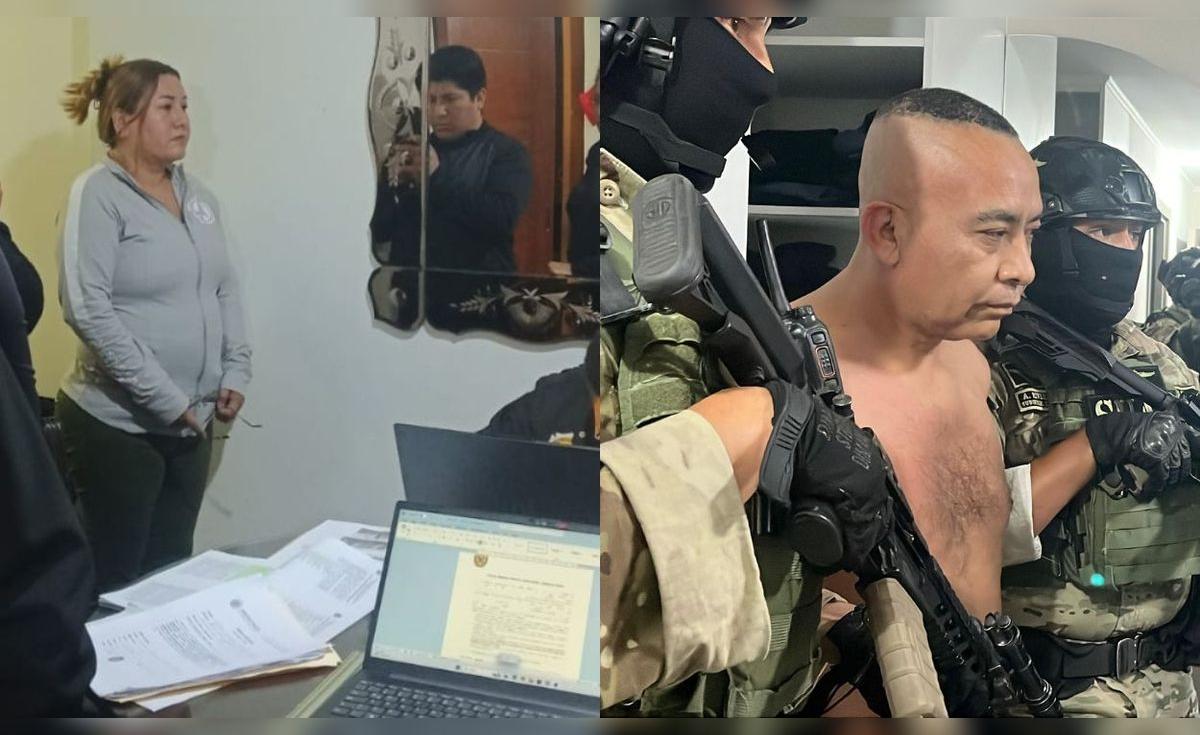
A Lima-based criminal organization known as the “Mafia of the Dead” has been dismantled after authorities captured its alleged leader, a man nicknamed “Tío Luigi,” who allegedly orchestrated a scheme to seize homes from deceased individuals and rent them out at inflated prices.
The operation, which reportedly involved charging up to $5,000 per property to force out surviving relatives, has left legal experts questioning how such a scheme could operate for years without detection. According to local media reports, the group targeted families of recently deceased homeowners, exploiting gaps in inheritance processes to take control of properties before relatives could legally contest ownership.
How the Scheme Worked—and Why It Went Undetected
Sources describe “Tío Luigi” as the public face of the operation, using his nickname to build trust in communities where he allegedly posed as a legitimate real estate agent. His associates, according to court documents, would approach grieving families under the guise of handling estate paperwork, then pressure them into signing over deeds or forfeiting claims in exchange for cash payments.
One key detail stands out: the scale of the operation. While exact figures vary across reports, authorities estimate the group controlled dozens of properties along Lima’s coastal districts, where real estate values have surged in recent years. A 2023 market analysis cited by Exitosa Noticias noted that prime oceanfront homes in the area had appreciated by nearly 40% over five years—a fact that may have emboldened the scheme’s operators to target high-value estates.
The operation’s longevity suggests systemic vulnerabilities. “There’s a cultural reluctance to challenge real estate transactions in Peru, especially when they involve grief-stricken families,” said a source familiar with the case, who requested anonymity. “Many victims assumed the process was legal or that they lacked the resources to fight back.”
From “Tío Luigi” to Legal Fallout: The Capture and Next Steps
Peruvian authorities confirmed the arrest of the alleged ringleader earlier this week following a months-long investigation. The capture came after undercover operations revealed a network of intermediaries who handled paperwork, intimidated relatives, and even staged fake inheritance disputes to accelerate property transfers. According to the Peruvian National Police (PNP), the group had amassed millions in illicit profits by charging exorbitant rents—sometimes up to 300% above market rates—to unsuspecting tenants.
What happens next? Prosecutors have already filed charges of organized crime, fraud, and usurpation of property, with court documents indicating that additional arrests are expected. A source close to the investigation noted that “Tío Luigi” may also face accusations of exploiting emotional vulnerability, a tactic that could elevate the case into a broader discussion about consumer protections in Peru’s real estate sector.
For families affected, the legal process remains uncertain. While some victims have already begun reclaiming their properties, others report that the group’s influence extended to local officials, complicating efforts to recover assets. “We’re seeing a pattern where these operations aren’t just criminal—they’re systemic,” said a legal advocate working with affected families. “The question now is whether this case will force reforms in how estates are handled.”
A Dark Mirror of Real Estate Exploitation
The “Mafia of the Dead” case isn’t an isolated incident. Similar schemes have been documented in Latin America, where property fraud often targets the vulnerable—elderly homeowners, migrants, or families in mourning. What makes this case distinct is its scale and the public persona of its leader, who cultivated a reputation as a community benefactor while operating a predatory business.
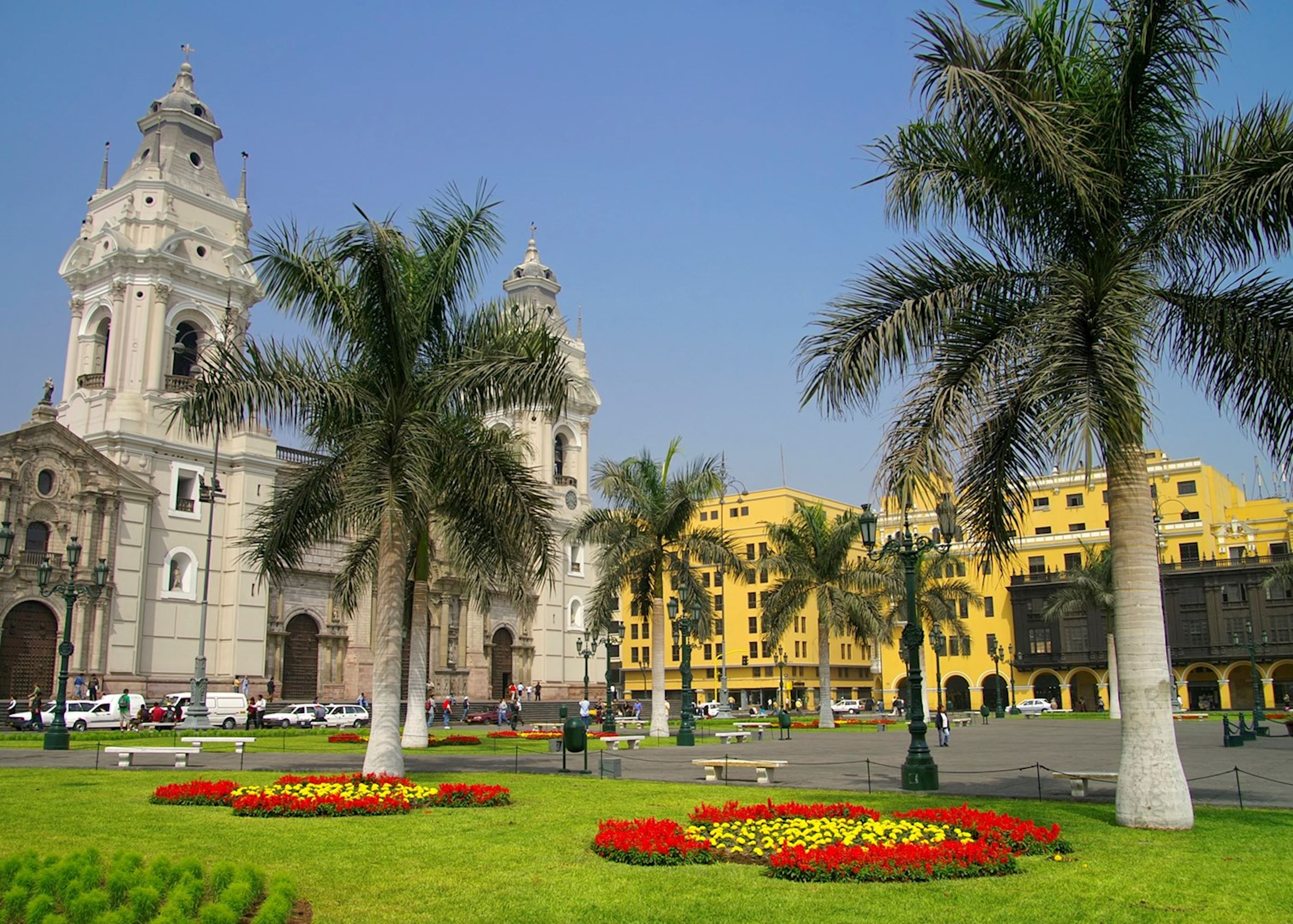
In Peru, where nearly 60% of homeowners lack formal property titles, the lack of centralized land records creates openings for exploitation. “This isn’t just about one bad actor,” said a real estate analyst based in Lima. “It’s a failure of the system to protect people when they’re at their most fragile.” The case has already sparked calls for mandatory digital registries and stricter oversight of real estate transactions—a debate that could reshape property laws in the region.
For now, the focus remains on accountability. As authorities sift through seized documents, one question looms: How many more families were left vulnerable by a scheme that thrived in plain sight?
