Science
Spriggina fossils reveal evidence of right-handedness 550 million years ago
A study of Spriggina fossils suggests these Ediacaran creatures moved with a consistent rightward bias, indicating a sophisticated nervous system.
A study of Spriggina fossils suggests these Ediacaran creatures moved with a consistent rightward bias, indicating a sophisticated nervous system.
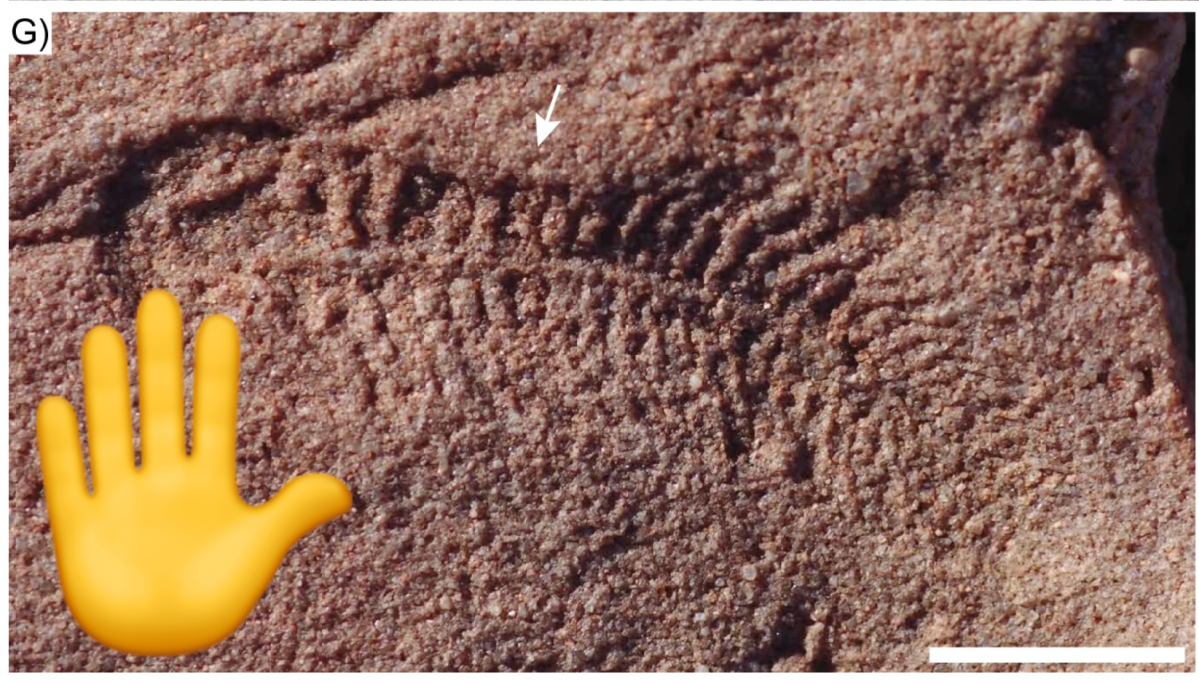
Researchers found evidence of behavioral handedness in Spriggina fossils, suggesting these early animals possessed an evolutionary preference for the right side.

A study reveals that hummingbirds have significantly accelerated the diversification of the bromeliad plant family, driving new species creation at twice the rate of other pollinators.

Researchers found that the H-fibroin gene in caddisflies undergoes rapid evolutionary changes without losing its underwater adhesive capabilities. This discovery offers a chemical model for developing synthetic glues for medical and industrial applications.
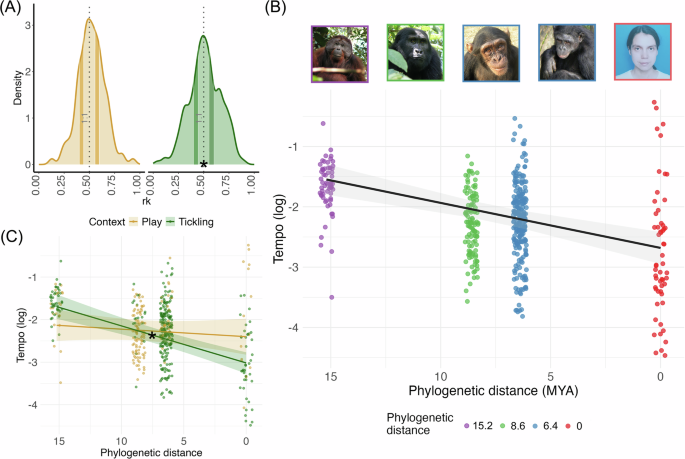
University of Warwick researchers found that rhythmic patterns in great ape laughter provide a vocal fossil for the evolution of human vocal control.

A study of humans and great apes has found that rhythmic laughter is an ancient, shared trait that evolved 15 million years ago. Researchers used tickle-induced vocalizations to uncover the biological roots of our vocal control.