US military launches more strikes on Iran after troop deaths reach 17
U.S. military operations against Iran have intensified following the death of 17 American service members and the collapse of a preliminary ceasefire agreement.
United States military operations against Iran continued into July 20, 2026, marking the ninth consecutive night of airstrikes. This latest campaign follows a series of lethal engagements that have brought the total number of American service members killed since the conflict began on Feb. 28 to 17. The current escalation follows the collapse of a preliminary ceasefire agreement finalized in June, which was intended to provide a pathway toward a permanent peace deal.
The recent spike in casualties stems from two distinct incidents. On July 17, an Iranian ballistic missile and drone attack struck U.S. And partner forces in Jordan. CENTCOM confirmed that two service members were killed in the initial strike, while another was reported missing. Following a search, military personnel recovered unidentified remains at the scene, which are currently undergoing an examination process. Additionally, four service members were medically evacuated to hospitals in Jordan and have since been discharged. Separately, on July 18, another American service member died in northern Iraq during the controlled detonation of unexploded ordnance recovered from a downed Iranian one-way attack drone. A second service member was wounded during that operation.
Related media


Infrastructure Targeting and Regional Volatility
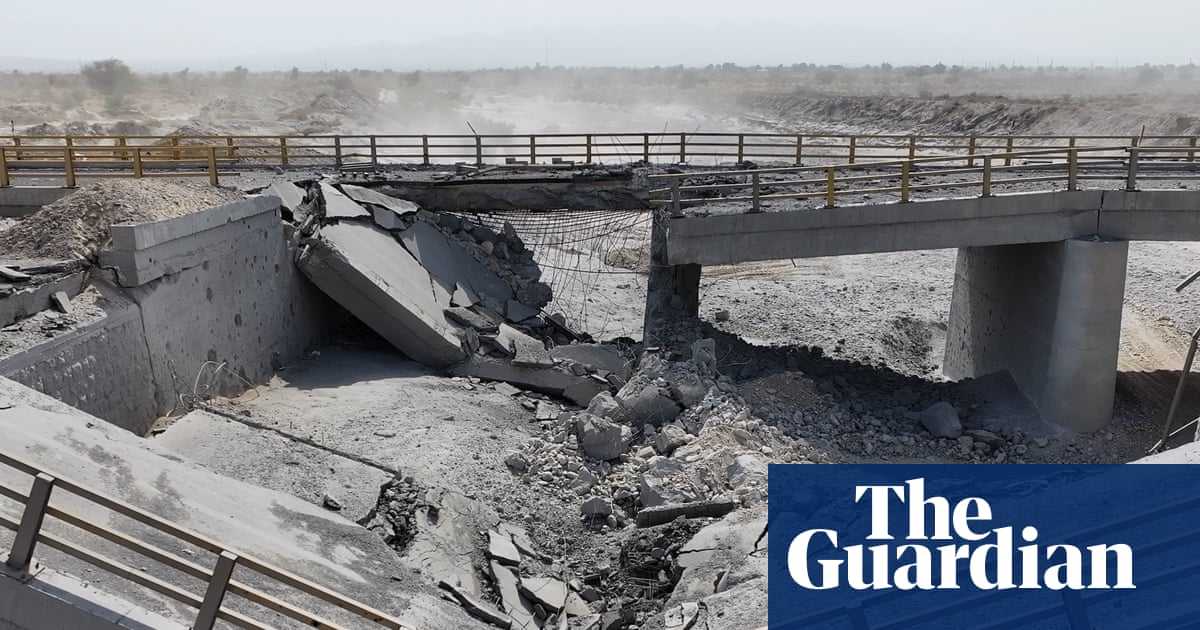
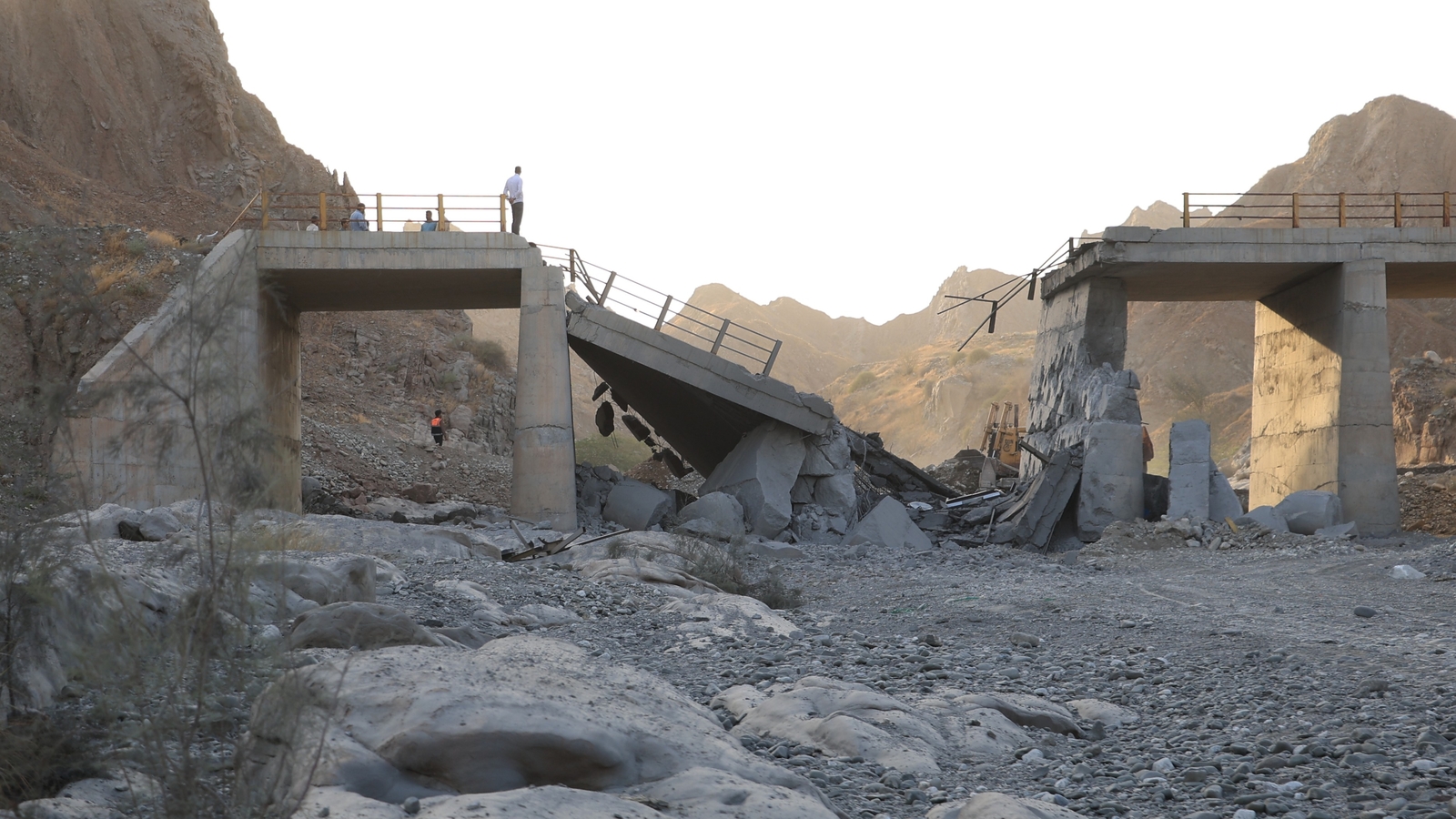
According to U.S. Central Command, the ongoing airstrikes are designed to degrade Iranian military capabilities that threaten international commercial shipping in the Strait of Hormuz. Targets hit by U.S. Fighter jets and sea-launched Tomahawk cruise missiles include coastal surveillance facilities, air defense systems, and missile and drone storage sites. Beyond strictly military installations, reports indicate that U.S. Strikes have impacted civilian infrastructure, including power plants, water desalination facilities, and bridges. Iranian state media noted that strikes also targeted the construction site of a planned nuclear power plant in Darkhovin. The International Atomic Energy Agency confirmed it is investigating the reports, noting that the site remains in early stages of construction and contained no nuclear material.
The geographic scope of the conflict has widened, with Iran launching missile and drone attacks against U.S.-allied nations, including Bahrain, Kuwait, and Jordan. In Kuwait, attacks on power and water desalination plants have caused fires, forcing emergency responses. These regional threats prompted the U.S. State Department to issue a worldwide caution, warning that groups supportive of Iran may target American interests globally. International observers, including the Gulf Cooperation Council, have raised concerns regarding the targeting of civilian infrastructure, labeling such actions as potential war crimes.
Diplomatic Context and Future Negotiations
Despite the intensification of hostilities, diplomatic channels remain active. On July 19, Secretary of State Marco Rubio met with Lebanese President Joseph Aoun in Washington, D.C. President Donald Trump is scheduled to host Aoun at the White House on July 21.
Political figures in the U.S. Have framed the current military approach as a return to a fundamental objective. Rep. Michael McCaul characterized the current posture as "Plan A," focusing on the neutralization of Iranian launch pads and missile capabilities to reopen the Strait of Hormuz. Meanwhile, Iranian Supreme Leader Mojtaba Khamenei warned that Washington would pay for "seeking to escalate the conflict." Iranian health officials reported that the recent three weeks of U.S. Strikes have resulted in at least 50 deaths and over 500 injuries within Iran.
Conflict Milestones
| Event | Date |
|---|---|
| Conflict begins | Feb. 28 |
| Preliminary peace deal signed | June |
| Jordan airbase attack | July 17 |
| Death of service member in Iraq | July 18 |
| Ninth consecutive night of U.S. Strikes | July 19/20 |
| White House meeting with Pres. Aoun | July 21 |
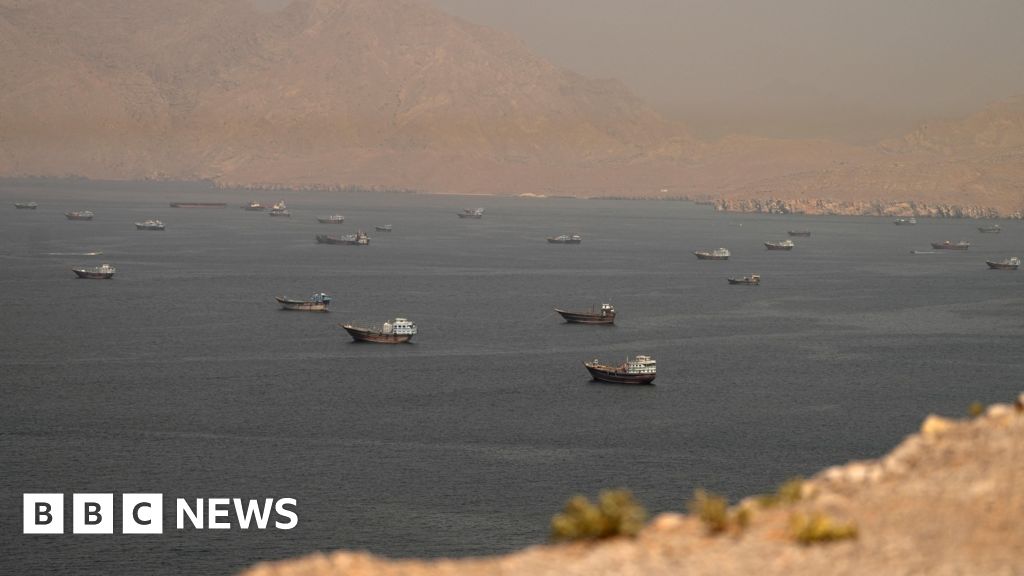
As the conflict nears its fifth month, the maritime situation remains critical. The Strait of Hormuz, a conduit for one-fifth of global oil and liquefied natural gas, has seen a sharp decline in daily maritime transits. Military officials report the threat to mariners remains severe, with deliberate hostile action considered likely.
Archypedia is dedicated to independent, evidence-backed reporting. This briefing was synthesized from primary source reporting, corroborated across independent newsrooms, and verified against our Editorial Standards.
Transparency record
Evidence behind this report
This report synthesizes 8 distinct sources. Open the source ledger below to compare the underlying coverage.
Prepared under the Archypedia Editorial Policy by the Mara Ionescu editorial desk profile. AI-assisted tools may support drafting and verification; public accountability remains with Archypedia. Report an error.