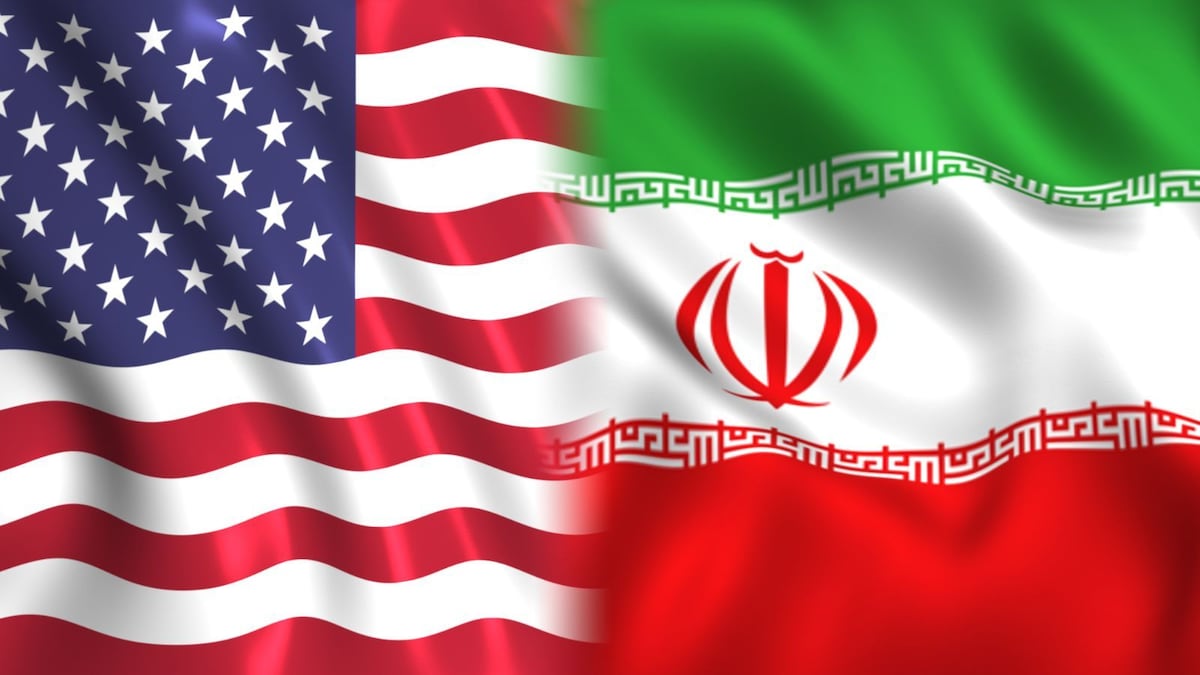
US military launches seventh night of strikes on Iran as conflict spreads
US airstrikes targeting Iranian military infrastructure continue for a seventh night as retaliatory attacks strike Qatar, Kuwait, and Jordan. Global oil prices have increased amid growing concerns over shipping and energy transit.
The United States military concluded its seventh consecutive night of airstrikes against Iranian territory on Friday, July 17, 2026, as the conflict over the Strait of Hormuz intensifies. The ongoing aerial campaign, authorized by President Donald Trump, follows the collapse of an interim memorandum of understanding that had previously aimed to maintain the passage of international shipping through the strategic waterway.
Escalation and Strategic Targets
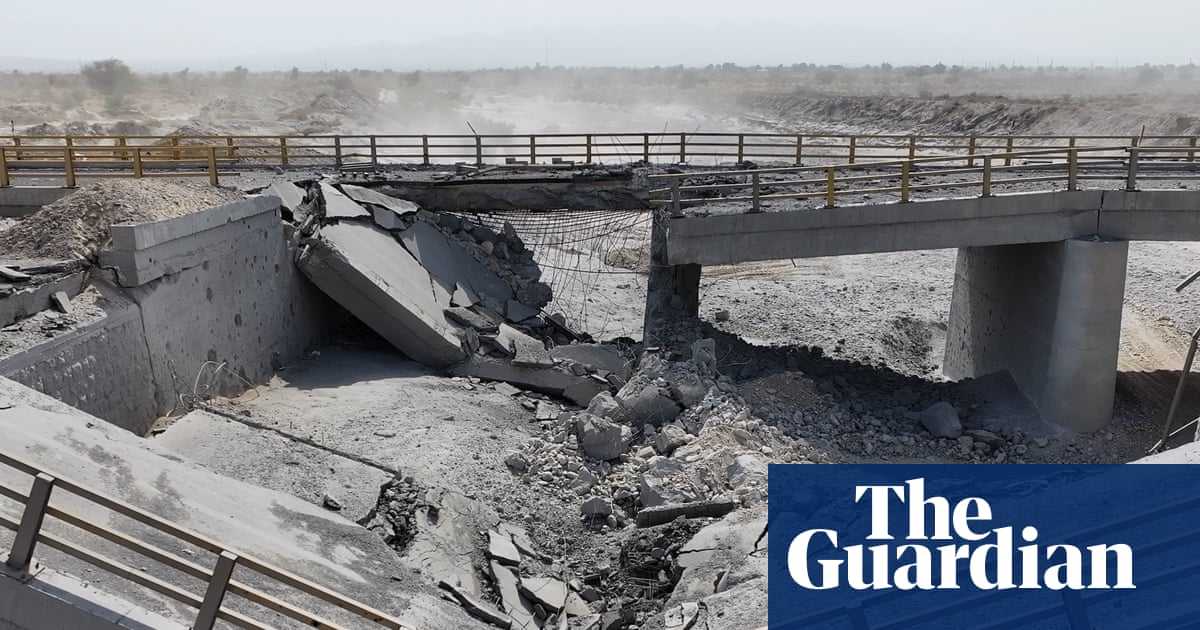
The US military, represented by Central Command (CENTCOM), stated that the strikes were conducted by fighter jets, warships, and drones. Operations targeted Iranian military logistics, coastal surveillance infrastructure, underground weapons storage, and maritime capabilities. Specifically, US forces destroyed a port surveillance tower in Chabahar, which CENTCOM described as a key asset used by the Islamic Revolutionary Guard Corps (IRGC) to track and target commercial vessels. Other strikes hit bridges in Hormozgan province and Iranshahr airport, maneuvers aimed at disrupting transport and transit routes connecting Iran’s main port, Bandar Abbas, to the country’s interior.
Related media
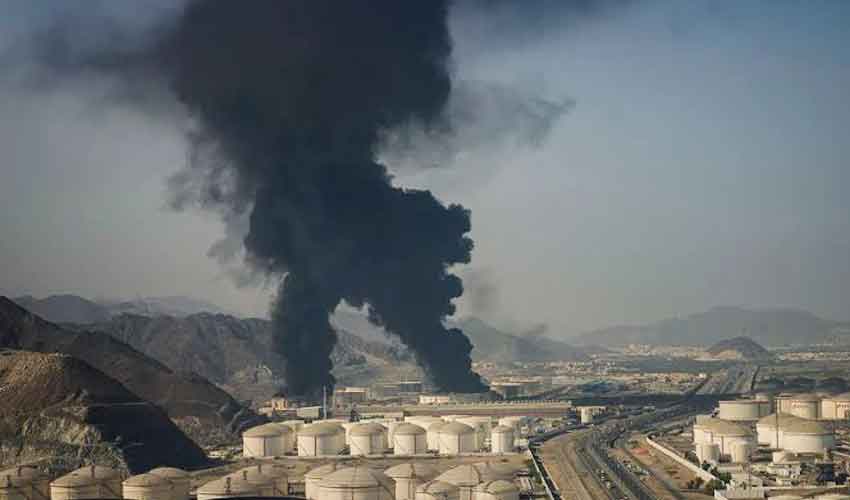
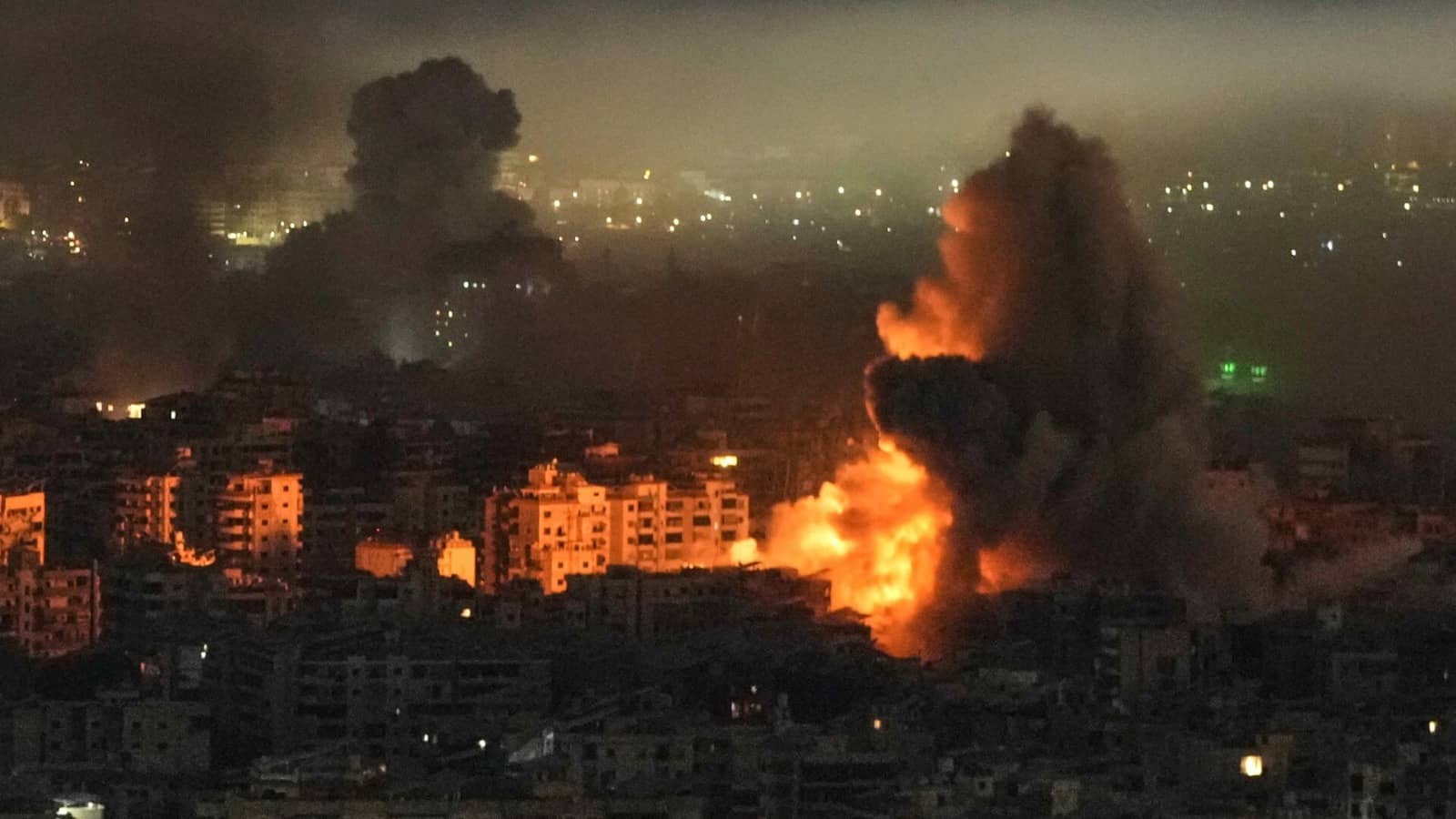
The human and economic toll of the conflict continues to rise. Iran’s health ministry reported that at least 38 people were killed and more than 400 wounded by Friday morning. Additionally, the strikes on Iranian energy facilities prompted the country’s energy ministry to urge residents to reduce electricity consumption to stabilize a power grid under significant strain due to the combined impact of combat and extreme heat.
Regional Response and Retaliation
The conflict has expanded beyond the borders of the two primary combatants. Iran has launched retaliatory missile and drone attacks against US-allied nations hosting American military assets, including Qatar, Kuwait, Bahrain, and Jordan. In Kuwait, a major power and water desalination plant was struck, causing a fire and complicating the nation’s ability to supply the 90% of its drinking water that is generated through desalination. In Qatar, falling debris from an intercepted Iranian missile wounded a child, according to local interior ministry reports. Meanwhile, the Jordanian military confirmed its air defenses intercepted 10 Iranian missiles targeting its territory.
Disagreement exists regarding the impacts on military facilities. While the IRGC claimed it successfully destroyed US radar systems and aircraft hangars in Bahrain and struck bases in Kuwait and Syria, US officials denied these accounts. Specifically, CENTCOM dismissed Iranian reports that US troops were killed at the Al-Tanf base in Syria, stating that US forces had vacated the site earlier this year.
Shipping and Energy Markets
Control of the Strait of Hormuz remains the central flashpoint of the war. CENTCOM reported that since the blockade began, it has redirected several commercial vessels attempting to circumvent restrictions, boarded one ship, and disabled at least one oil tanker.
The volatility has severely disrupted global energy transit. According to maritime data firm Kpler, commercial traffic through the strait reached a three-week low on July 16, with only eight vessels documented passing through the waterway. The uncertainty has driven international oil prices higher, with Brent crude surpassing $88 a barrel by Friday afternoon.
What to Watch Next
- Diplomatic Status: While the White House maintains that peace talks remain a possibility, Iranian officials and regional mediators have acknowledged that efforts to return to the negotiating table are increasingly difficult.
- Humanitarian Impact: United Nations Secretary-General Antonio Guterres have expressed concern regarding the targeting of civilian infrastructure, with human rights experts suggesting that such actions may violate the 1949 Geneva Conventions.
Despite the growing regional instability, President Trump has asserted that the US campaign is successful. "We are likewise winning big in Iran, and you will see the fruits of that labour very, very shortly," he said in a public address on Thursday. As both nations continue to trade strikes, the prospect of a de-escalation appears distant, with shipping companies and regional governments bracing for further uncertainty in the Persian Gulf.
Archypedia is dedicated to independent, evidence-backed reporting. This briefing was synthesized from primary source reporting, corroborated across independent newsrooms, and verified against our Editorial Standards.
Transparency record
Evidence behind this report
This report synthesizes 4 distinct sources. Open the source ledger below to compare the underlying coverage.
Prepared under the Archypedia Editorial Policy by the Samir Haddad editorial desk profile. AI-assisted tools may support drafting and verification; public accountability remains with Archypedia. Report an error.