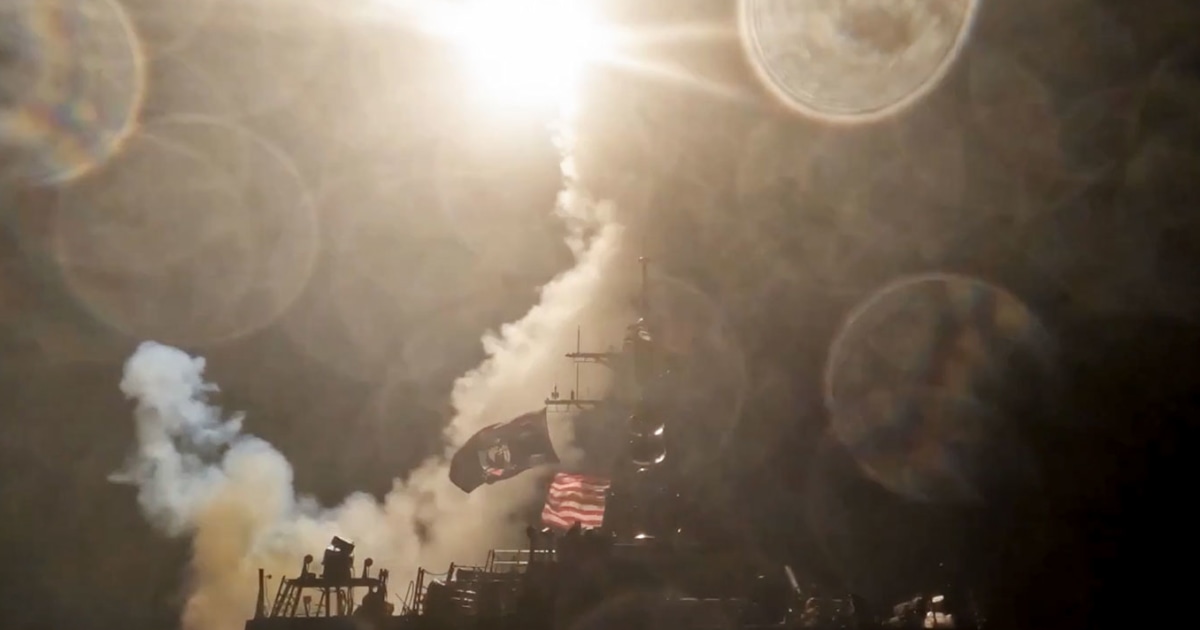
Iran and US agree to halt Gulf hostilities and resume diplomatic talks
The United States and Iran have agreed to cease military strikes and resume diplomatic negotiations in Qatar following a spike in regional volatility.
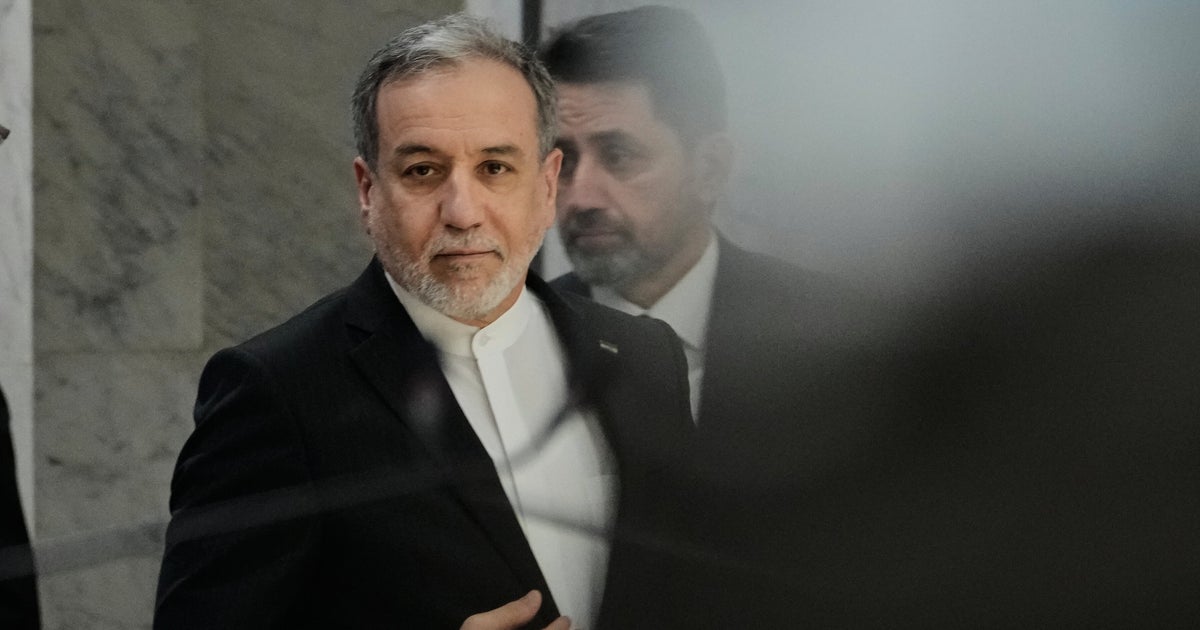
The United States and Iran have agreed to cease recent military hostilities in the Persian Gulf and resume diplomatic negotiations regarding the Strait of Hormuz, a U.S. Official announced on Sunday, June 28. The agreement comes as both nations attempt to save a fragile 14-point memorandum of understanding (MOU) that had been strained by several days of tit-for-tat strikes.
According to a senior U.S. Official cited by Huffpost, technical talks covering all areas of the MOU are slated to continue, and both sides have agreed to stand down to allow vessels to move freely through the strategic waterway.
Related media

Reporting from Aol indicates that these talks are scheduled to resume on Tuesday, June 30, in Doha, Qatar.
A Cycle of Escalation
The return to diplomacy follows a period of intense volatility. Hostilities spiked on Thursday, June 25, when an Iranian projectile struck a cargo vessel in the Strait of Hormuz. The U.S. Military responded by striking Iranian military surveillance infrastructure, communication systems, air defense sites, drone storage facilities, and minelayer capabilities, according to U.S. Central Command. President Donald Trump confirmed these strikes on Saturday, stating they were a response to Iran violating
the ceasefire agreement.
Tensions peaked early Sunday, June 28, when Iran's Islamic Revolutionary Guard Corps (IRGC) launched missile and drone operations targeting U.S. Military sites in Kuwait and Bahrain. The IRGC claimed to have destroyed eight U.S. Facilities at the Ali al-Salem base in Kuwait and the Fifth Fleet naval base in Port Salman in Bahrain. However, a U.S. Official told CBS News that no Iranian missiles or drones reached their targets, noting there were no U.S. Casualties or major damage to assets.
The violence also impacted civilians. Bahraini authorities reported that an Iranian attack damaged a residential building in Muharraq province. Separately, Qatar's interior ministry announced that one of its nationals died from shrapnel injuries aboard a vessel that had gone missing on Saturday, June 27, due to military operations in the area
.
Conflicting Peace Frameworks
The broader effort to end the war, which began on February 28, is complicated by overlapping and contradictory agreements. While the U.S. And Iran are working under the 14-point MOU signed in early June, a separate trilateral framework agreement between the U.S., Israel, and Lebanon was signed on Friday, June 26.
This trilateral deal, announced by Secretary of State Marco Rubio, seeks lasting peace between Israel and Lebanon. However, it has been rejected by the Iran-backed militia Hezbollah, which called the deal a humiliation
and a disgrace
. Hezbollah Secretary-General Sheikh Naim Qassem stated the agreement is null and void, insisting that the provisions of the Iranian-American MOU must be implemented instead.
A primary point of contention is the presence of Israeli forces in southern Lebanon. Prime Minister Benjamin Netanyahu stated that Israel will maintain a security zone in southern Lebanon until Hezbollah and other terrorist organizations are disarmed. This contradicts the 14-point MOU, which calls for the immediate and permanent end to military operations on all fronts, including in Lebanon
and ensures the territorial integrity and sovereignty of Lebanon.
Economic and Strategic Pressures
The conflict has had severe economic repercussions for Tehran. According to the Statistical Centre of Iran, inflation rose to a peak of 88.6% year-on-year in June, with food prices more than doubling during the Persian month of Khordad (May 22–June 21). In contrast, the U.S. Personal Consumption Expenditures index rose at a 4.1% annual rate in May.
Control of the Strait of Hormuz remains the central strategic dispute. Iran has largely closed the route for most of the conflict and warns it will charge transit fees. While the U.S. Navy has pushed an alternative shipping route near the coast of Oman, Iranian Foreign Minister Abbas Araghchi warned on Sunday that any separate arrangements would increase the tensions
and delay the reopening of the strait.
Timeline of Recent Events
- February 28: Outbreak of war involving the U.S., Israel, and Iran.
- June 17: U.S. And Iran agree to a 14-point memorandum of understanding (MOU) to reopen the Strait of Hormuz.
- June 25: Iranian projectile hits a cargo vessel in the Strait of Hormuz.
- June 26: U.S., Israel, and Lebanon sign a trilateral framework agreement.
- June 28 (Early): Iran launches drones and missiles at U.S. Sites in Kuwait and Bahrain.
- June 28 (Late): U.S. And Iran agree to halt kinetic activity and resume talks.
- June 30: Scheduled resumption of technical talks in Doha, Qatar.
How significant is this development?
Contribute your assessment to the aggregated reader intelligence ledger.
Archypedia is dedicated to independent, evidence-backed reporting. This briefing was synthesized from primary source reporting, corroborated across independent newsrooms, and verified against our Editorial Standards.
Transparency record
Evidence behind this report
This report synthesizes 12 distinct sources. Open the source ledger below to compare the underlying coverage.
- rferl.org
- huffpost.com
- aol.com
- yahoo.com
- samaa.tv
- cnbctv18.com
- straitstimes.com
- asia.nikkei.com
- tbsnews.net
- onmanorama.com
- businesstimes.com.sg
- independent.co.uk
Prepared under the Archypedia Editorial Policy by the Mara Ionescu editorial desk profile. AI-assisted tools may support drafting and verification; public accountability remains with Archypedia. Report an error.