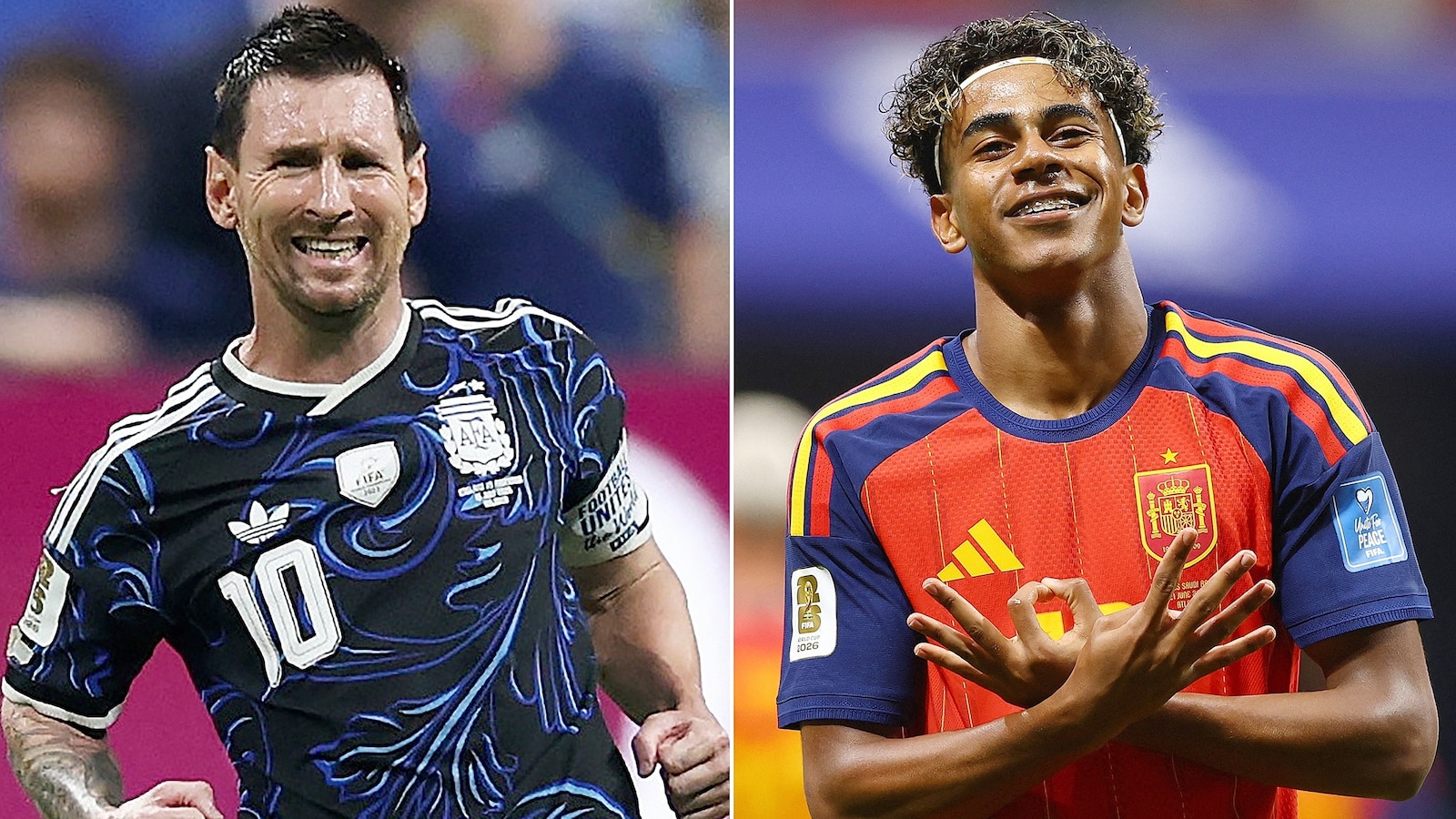
South Korea coach Hong Myung-bo resigns following early World Cup exit
Hong Myung-bo has stepped down as head coach following South Korea's early elimination from the 2026 FIFA World Cup. President Lee Jae Myung has ordered an investigation into the national team's management and hiring processes.
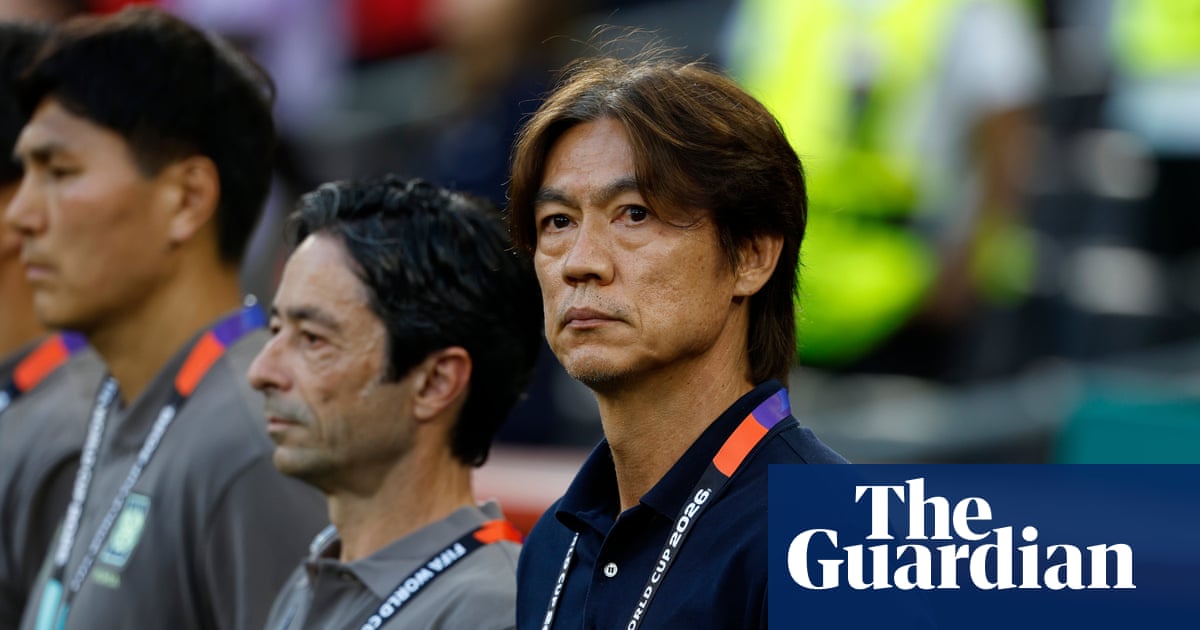
South Korea head coach Hong Myung-bo announced his resignation on Sunday, 28 June 2026, less than 24 hours after the national team’s elimination from the FIFA World Cup was confirmed. The departure follows a tumultuous group-stage campaign in Group A, which saw the squad finish in third place with only three points. While the team opened the tournament with a 2-1 victory over the Czech Republic, they suffered consecutive 1-0 losses to Mexico and South Africa on 24 June. South Korea’s hopes of advancing to the round of 32 as one of the best third-place teams were extinguished on 27 June 2026, when Congo defeated Uzbekistan 3-1.
Hong, 57, announced his decision at the team's training camp in Guadalajara, Mexico. Reading a prepared statement to the media without taking questions, he stated:
Related media


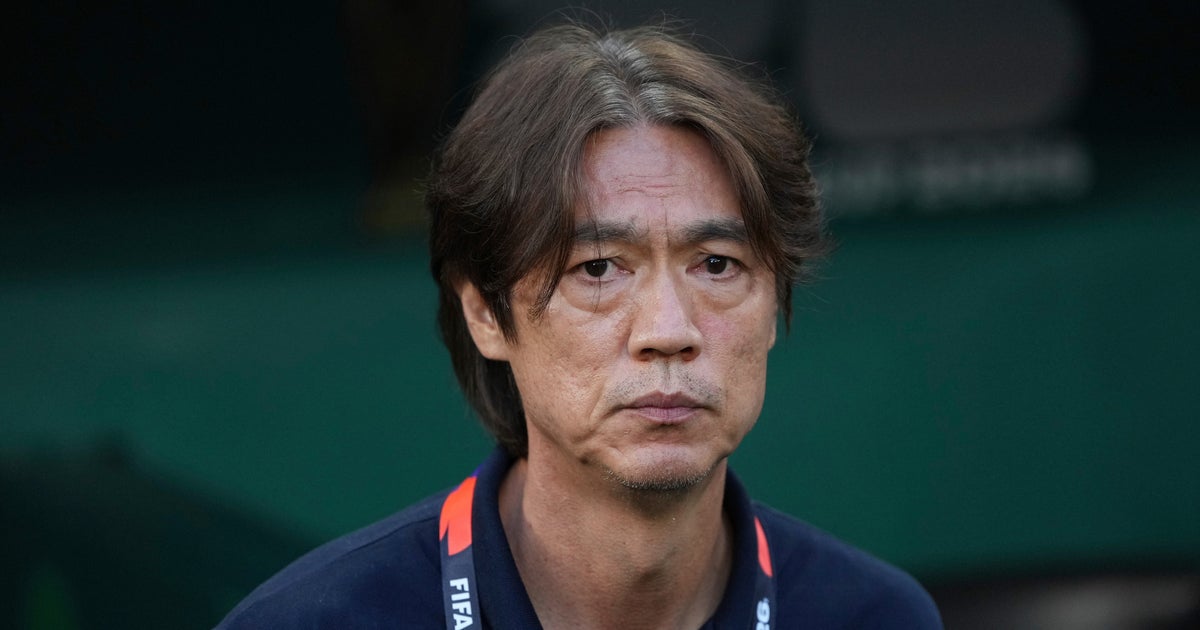
"To all of the Korean people who love and support our national team, I would like to genuinely apologize. Today, I’d like to announce that I will step down as the national team head coach. As the head coach, no explanation can supersede the ultimate result. I could not bring the result that our people had expected. All responsibilities are with me."
Hong Myung-bo, Head Coach, via AP News and Reuters
This exit marks the end of Hong's second tenure as head coach. He previously led the team during the 2014 World Cup in Brazil, where the squad also failed to advance past the group stage. Following his appointment in July 2024, Hong faced persistent criticism from fans and the South Korean media. During the 2026 tournament, his tactical choices drew scrutiny, particularly the decision to bench captain Son Heung-min for the final group match against South Africa. Reports from the Sports Chosun suggest this may have been the final international appearance for the veteran forward.
Presidential Intervention and Calls for Reform
The resignation followed sharp public condemnation from South Korean President Lee Jae Myung. In a statement posted on social media, the president expressed significant frustration regarding the team’s performance and the administrative processes that facilitated Hong's hiring.
"Once again, it has been proven that personnel decisions determine everything. If loyalty and factionalism are valued over competence and an incapable person is appointed as a leader, the outcome is as predictable as fire."
Lee Jae Myung, President of South Korea, via X
President Lee described the results as "absurd". He explicitly ordered the Ministry of Culture, Sports and Tourism to launch a thorough investigation into the national team. The president signaled that this inquiry will examine the circumstances surrounding the appointment of coaching staff and the overall management of the national team. He cited concerns that public resources and taxpayer funds, which support the team, have been compromised by a lack of transparency and an inability to hold decision-makers accountable.
Historical Context and Tournament Performance
The 2026 exit is the third time in the last four World Cup tournaments that South Korea has failed to reach the knockout stages. The nation maintains a streak of 11 consecutive World Cup appearances, with their most successful result occurring in 2002, when they reached the semifinals as tournament co-hosts. Despite expectations that the 2026 squad—featuring prominent players such as Son Heung-min, Lee Kang-in, and Kim Min-jae—would advance, the team struggled for consistency. The tournament was also marked by reports of friction between the squad and the media, alongside disruptions during training sessions.
As the team returns to South Korea, the KFA faces the dual challenge of finding a new head coach and navigating the government-mandated investigation into its internal operations. Future reforms are expected to target the transition toward more direct, democratic systems for electing sports association officials to replace the current committee-based selection process.
How significant is this development?
Contribute your assessment to the aggregated reader intelligence ledger.
Archypedia is dedicated to independent, evidence-backed reporting. This briefing was synthesized from primary source reporting, corroborated across independent newsrooms, and verified against our Editorial Standards.
Transparency record
Evidence behind this report
This report synthesizes 12 distinct sources. Open the source ledger below to compare the underlying coverage.
- apnews.com
- foxsports.com
- theguardian.com
- usatoday.com
- nytimes.com
- huffpost.com
- sports.yahoo.com
- straitstimes.com
- football360.com.au
- dailymail.com
- newsweek.com
- oneindia.com
Prepared under the Archypedia Editorial Policy by the Rafael Ortega editorial desk profile. AI-assisted tools may support drafting and verification; public accountability remains with Archypedia. Report an error.