Venezuela earthquakes death toll hits 920 as rescue efforts continue
Emergency crews are working in northern Venezuela as the death toll reaches 920 following a doublet of earthquakes. International aid teams have arrived to assist after officials declared a state of emergency.

Emergency response operations intensified across northern Venezuela on June 26 as the confirmed death toll from a rare doublet of powerful earthquakes climbed to 920. The seismic events, which struck on June 24 at 6:04 p.m. Local time, consisted of a magnitude 7.2 foreshock followed approximately 39 seconds later by a magnitude 7.5 mainshock. According to the U.S. Geological Survey, the tremors were centered roughly 14 miles southeast of Yumare. The mainshock stands as the most powerful seismic event in the region since 1900.
Casualty figures have fluctuated as the humanitarian crisis unfolds. By June 26, officials reported at least 3,360 individuals had sustained injuries. Earlier accounts from the country's health minister suggested the count of injured exceeded 4,300, though subsequent updates from government leadership provided the lower figure. Meanwhile, a community-managed website tracking missing persons has listed over 50,000 individuals, with approximately 8,000 confirmed located. The U.S. Geological Survey has indicated that total fatalities could potentially reach into the thousands.
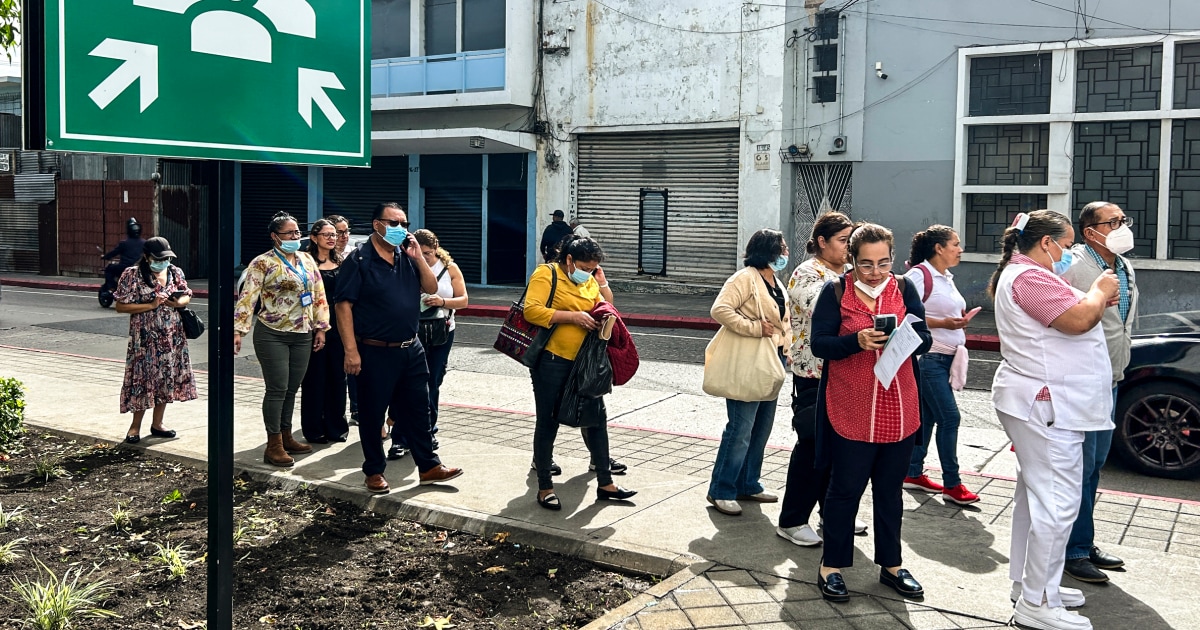
The coastal region of La Guaira, located north of the capital, experienced some of the most significant destruction. The area’s international airport, a critical hub for aid, sustained damage that forced operations to cease, complicating the arrival of international assistance. Across the affected zones, approximately 250 structures were reported damaged or destroyed, leaving thousands of people to spend the nights in parks, parking lots, and makeshift outdoor shelters.
International support has begun to arrive, with more than 800 foreign rescuers on the ground by the afternoon of June 26. Teams from Chile, Switzerland, Turkey, El Salvador, the Dominican Republic, and Mexico have joined the effort. The United States has initiated a significant response, with the State Department mobilizing $150 million in aid and the Pentagon providing logistical support to bypass damaged infrastructure. U.S. Rescue task forces, including members from Virginia and Florida, were deployed to reach isolated areas, while the Trump administration eased sanctions to facilitate relief transactions.
Foreign nationals are confirmed among the casualties. According to reporting from the EFE news agency, the death toll includes nine individuals from Portugal, three from Spain, two from Brazil, two from China, and two from Chile. Spanish authorities separately noted that 99 of their citizens remained unaccounted for, with four confirmed trapped in rubble.
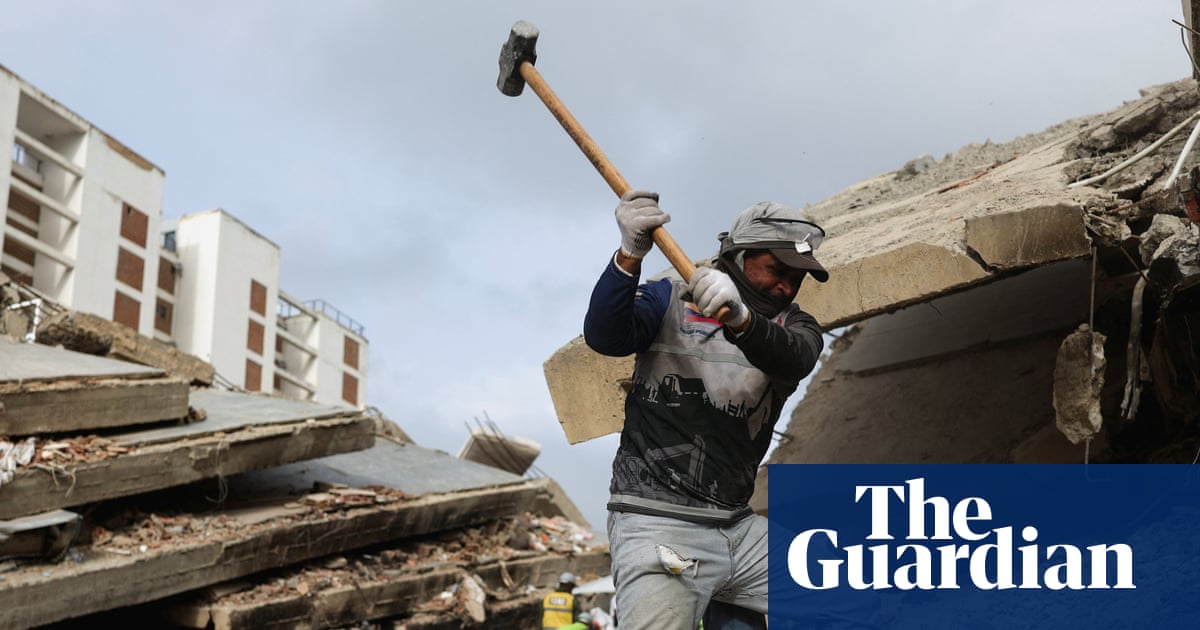
The recovery effort faces severe logistical obstacles. Acting President Delcy Rodríguez declared a state of emergency, which included the suspension of rail and metro services and the closure of schools. In many locations, civilians have led the initial rescue work using basic tools or their bare hands, as heavy machinery remains in short supply. Volunteers reported injuries to their own hands while attempting to clear debris in areas where government-led teams were not initially present.
Local residents have described scenes of desperation as they search for loved ones. In La Guaira, some individuals recounted hearing survivors, including an infant, trapped deep within collapsed structures. The volatility of the situation remains high, with more than 200 aftershocks recorded since the initial quakes.
How significant is this development?
Contribute your assessment to the aggregated reader intelligence ledger.
Archypedia is dedicated to independent, evidence-backed reporting. This briefing was synthesized from primary source reporting, corroborated across independent newsrooms, and verified against our Editorial Standards.
Transparency record
Evidence behind this report
This report synthesizes 5 distinct sources. Open the source ledger below to compare the underlying coverage.
Prepared under the Archypedia Editorial Policy by the Mara Ionescu editorial desk profile. AI-assisted tools may support drafting and verification; public accountability remains with Archypedia. Report an error.