NBA teams analyze salary cap space and roster options for free agency
NBA teams analyze salary cap space and roster options for free agency

As the National Basketball Association enters the 2026 offseason, league-wide maneuvers have shifted from draft-day activity to the complex landscape of salary cap management and roster construction. Following the completion of the 2026 draft, teams are navigating a tightening financial environment defined by the 2023 Collective Bargaining Agreement. With stricter apron regulations impacting how teams build their depth, the upcoming free agency period serves as a critical juncture for both contenders and rebuilding franchises.
The current financial landscape is marked by a notable decrease in teams with significant spending power compared to previous seasons. According to reporting from Tsn, only the Brooklyn Nets and Chicago Bulls project to generate more than $30 million in cap space. This trend is linked to an increase in veteran and rookie extensions, which limits the flexibility of teams to pursue external talent. Teams are required to reach a minimum spending threshold of 90 percent of the $165 million salary cap by the start of the regular season, a move that forces teams like Chicago to balance competitive goals with mandatory expenditure requirements.
Related media

Salary Cap and Roster Strategy
The Bleacher Report analysis suggests that the limited availability of cap space will likely lead to an uptick in creative roster maneuvers, including sign-and-trade agreements and competitive bidding for the midlevel exception.
Key Team Dynamics
Teams are adopting distinct strategies to leverage their current financial standings:
- Brooklyn Nets: Leveraging significant cap space to acquire talent or draft assets through trades, while maintaining flexibility for potential roster upgrades.
- Chicago Bulls: Projecting to have $31 million in cap space, the Bulls are focused on addressing a void at center and filling out their roster to meet minimum salary floors.
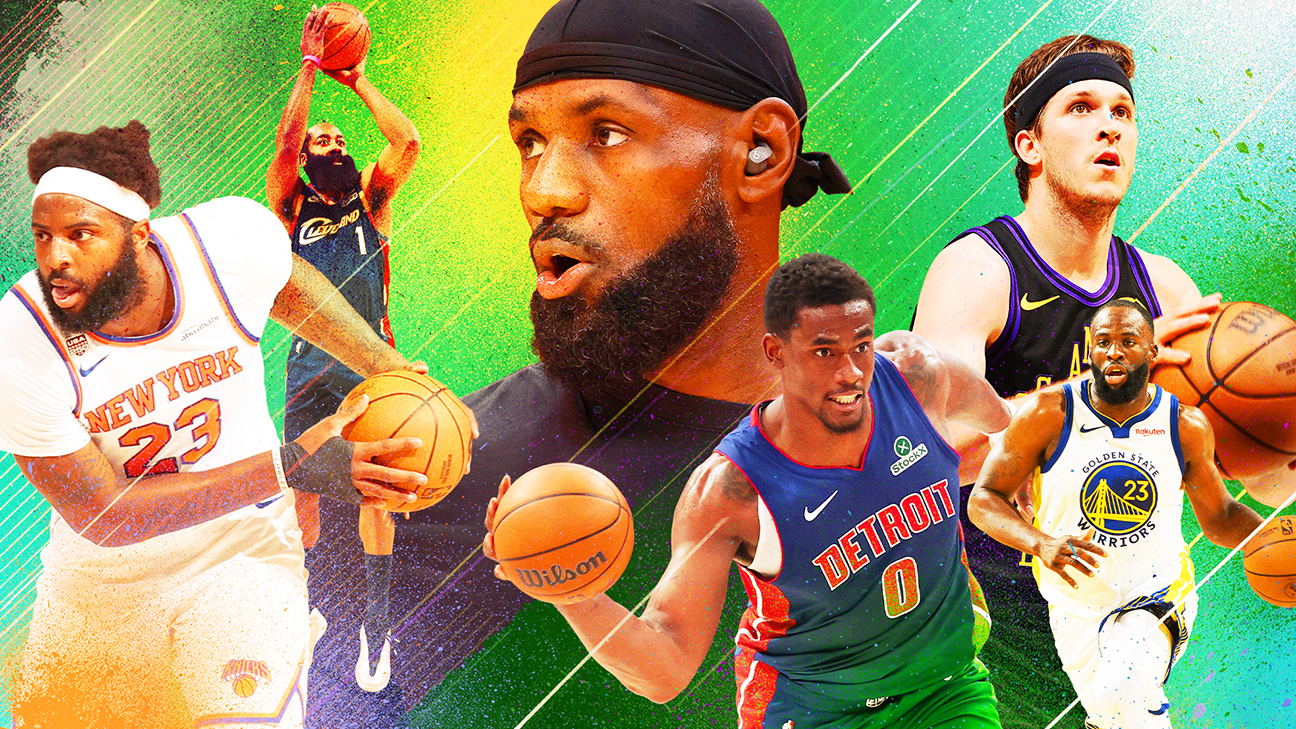
- Los Angeles Lakers: Managing a complex balance of retaining free agents, including LeBron James, while maintaining the capacity to build around key pieces such as Austin Reaves.
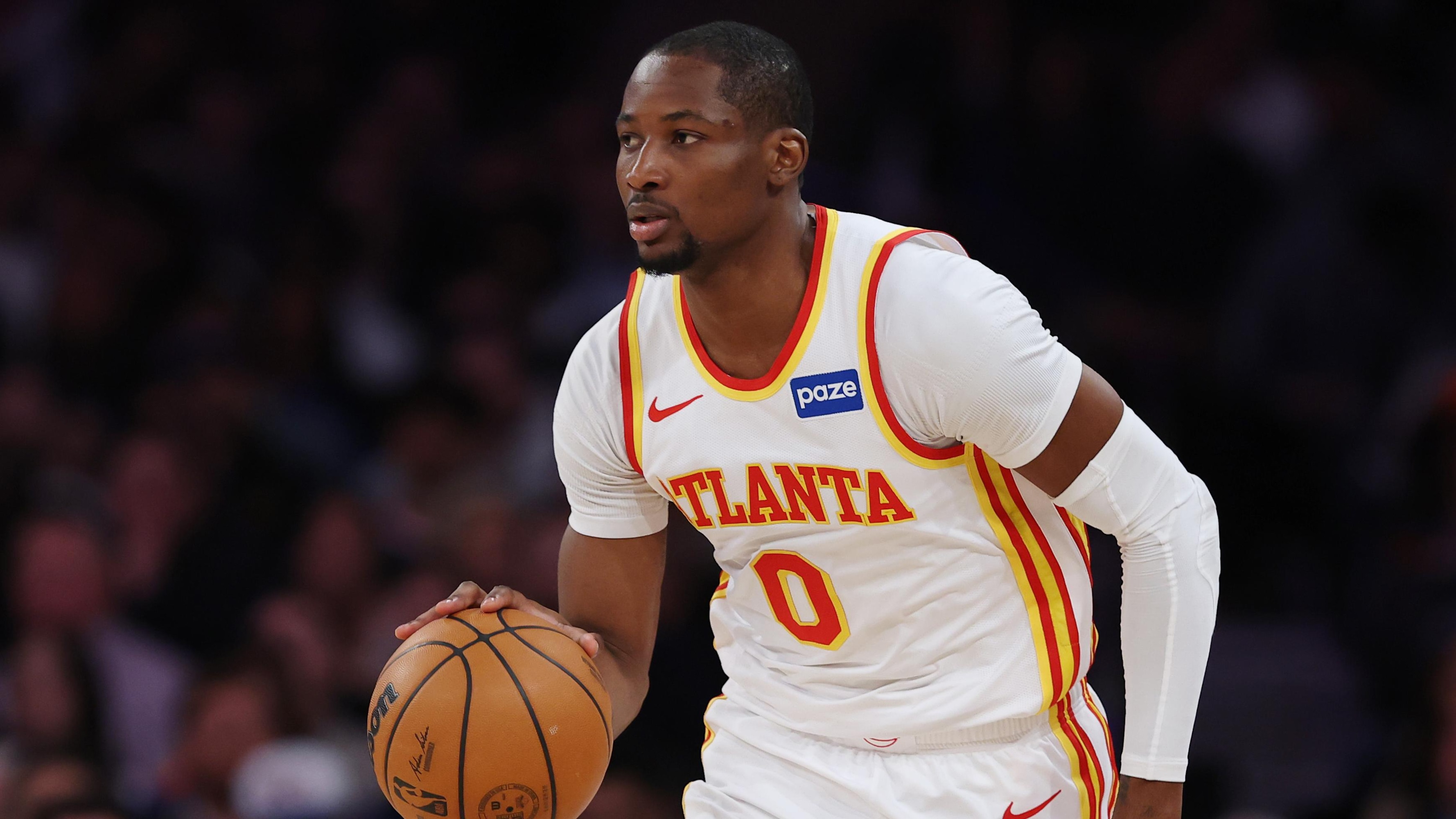
- Atlanta Hawks: Utilizing potential cap space created by roster decisions, such as declining team options on players like Jonathan Kuminga, to facilitate trades or address frontcourt size deficiencies.
What to Watch Next
As the league pivots toward the start of free agency, observers are tracking several key developments:
| Decision/Trigger | Impact |
|---|---|
| June 29 Option Deadlines | Final decisions on team options will dictate which franchises have the room to act as "cap space kings." |
| Restricted Free Agent Offers | Rising players such as Jalen Duren, Tari Eason, and Peyton Watson remain primary targets for teams looking to lock in young talent. |
| Midlevel Exception Usage | With most teams lacking space for major signings, the $15 million non-tax midlevel exception is projected to be the most common tool for rotation upgrades. |
Beyond individual player movements, the focus remains on whether teams will prioritize immediate financial relief or long-term flexibility. For teams hovering near the second apron, such as the New York Knicks, decisions regarding depth pieces like Mitchell Robinson carry long-term implications for the roster's competitive ceiling. Meanwhile, smaller-market teams are forced to determine whether to invest in their own core through extensions or enter the trade market to acquire additional draft capital.
The coming days will clarify how many teams choose to prioritize the $15 million non-tax midlevel exception, which enables them to maintain a competitive squad while avoiding the harshest penalties of the current salary structure. With the trade market becoming increasingly intertwined with free-agent negotiations, teams are expected to keep their options open until the final hours of the off-season window.
How significant is this development?
Contribute your assessment to the aggregated reader intelligence ledger.
Archypedia is dedicated to independent, evidence-backed reporting. This briefing was synthesized from primary source reporting, corroborated across independent newsrooms, and verified against our Editorial Standards.
Transparency record
Evidence behind this report
This report synthesizes 9 distinct sources. Open the source ledger below to compare the underlying coverage.
- tsn.ca
- bleacherreport.com
- abc7news.com
- spotrac.com
- nytimes.com
- 6abc.com
- indystar.com
- phillyvoice.com
- sports.yahoo.com
Prepared under the Archypedia Editorial Policy by the Rafael Ortega editorial desk profile. AI-assisted tools may support drafting and verification; public accountability remains with Archypedia. Report an error.


:strip_icc():format(jpeg)/kly-media-production/medias/9347724/original/000157700_1789365960-20260914_105827.jpg)