
Kyiv’s skyline was shrouded in smoke and alarm sirens blared across the city early Tuesday as Ukraine endured its most intense barrage of missile and drone strikes in weeks, prompting officials to issue urgent warnings to civilians to seek shelter. The attacks—part of a broader escalation in Russia’s war—followed fresh deliveries of advanced German weapons to Ukrainian forces and a sobering assessment from President Volodymyr Zelenskyy’s inner circle that a lasting peace remains distant.
How the latest strikes unfolded
According to local media reports, the assault began in the predawn hours, with waves of missiles and drones targeting critical infrastructure, including power grids and military installations. A massive plume of black smoke rose over central Kyiv, while emergency services reported explosions across the capital and surrounding regions. Ukrainian air defense forces responded with countermeasures, but the intensity of the strikes forced authorities to activate nationwide air raid alerts and urge residents to take cover.
In a statement released shortly after the attacks, Zelenskyy’s chief of staff, Andriy Yermak, struck a cautious tone, acknowledging that while Ukraine’s allies had bolstered its defenses, the prospect of a negotiated settlement before winter remained unrealistic. “We are doing everything possible to protect our people and our sovereignty, but the path to peace will not be short,” Yermak said.
Germany’s latest military aid delivery
The strikes came just days after Zelenskyy confirmed that Germany had delivered a new batch of long-range missiles to Ukraine, a move that significantly enhances Kyiv’s ability to strike deep into Russian-held territory. In a televised address, Zelenskyy emphasized the strategic importance of the weapons, though he avoided detailing their specific capabilities. “This support is critical, but it underscores that the war is far from over,” he said.
Germany’s decision to provide the missiles—part of a broader European effort to counter Russian advances—has drawn mixed reactions. While Ukrainian officials have praised the aid as a turning point, Russian state media has framed it as proof of Western “aggression,” warning of potential retaliation. The delivery also raises questions about whether European nations will continue to match U.S. Military assistance levels in the coming months.
International reactions and the road ahead
The escalation has reignited debates over whether the conflict is entering a new phase of heightened violence ahead of winter. Ukrainian officials have repeatedly stressed that their forces are holding firm, but the relentless strikes suggest Russia may be seeking to wear down defenses before a potential offensive. Meanwhile, Zelenskyy’s advisers have signaled that diplomatic efforts—including indirect talks with Moscow—will likely remain stalled until Ukraine can demonstrate greater battlefield resilience.
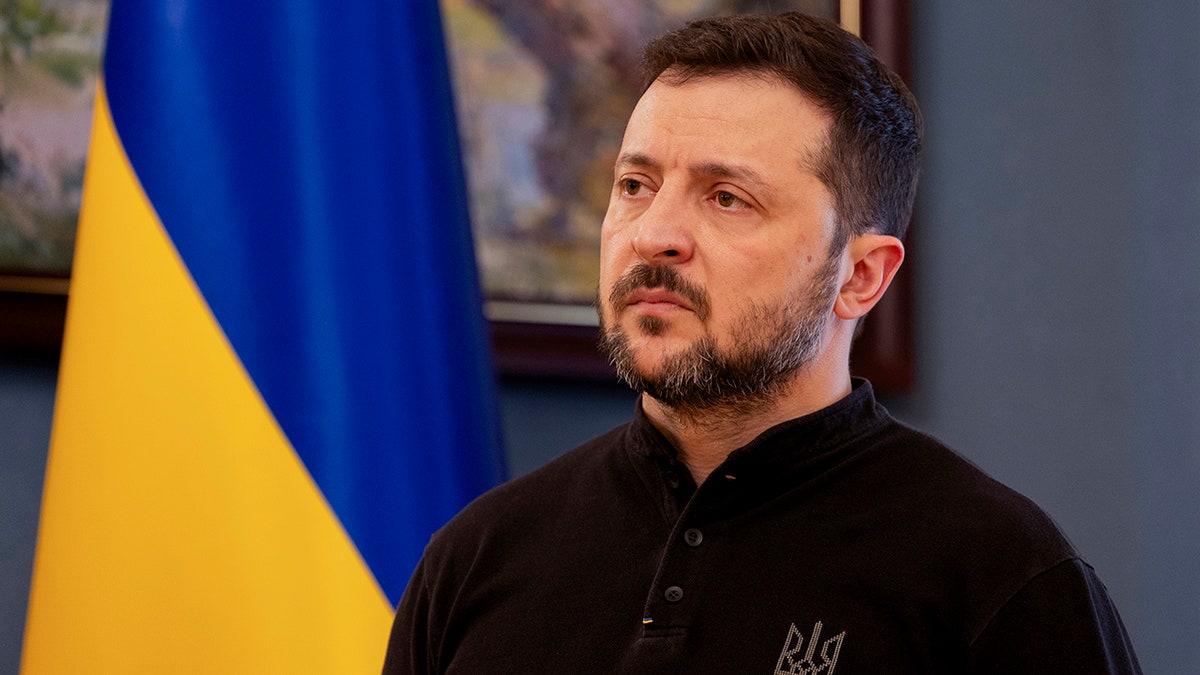
For now, the focus remains on civilian safety. Kyiv’s mayor, Vitali Klitschko, urged residents to remain vigilant, warning that further attacks could disrupt heating and water supplies as temperatures drop. “We will not break,” Klitschko said in a social media post. “But we need the world to see what Russia is doing to our cities.”
What’s next
With no immediate signs of de-escalation, Ukrainian and Western officials are bracing for prolonged fighting. Zelenskyy’s staff has indicated that peace talks—if they resume—will likely hinge on Ukraine’s ability to secure additional military and financial support from its allies. In the meantime, the latest strikes serve as a stark reminder of the war’s human cost, even as both sides dig in for what promises to be a brutal winter campaign.
