China-Singapore Digital Trade Partnership Takes Center Stage at WCIFIT: How CFTEC and AEOTrade Are Shaping the Future of Cross-Border Commerce
In a landmark collaboration designed to accelerate digital trade between China and Singapore, the China Foreign Trade Center (CFTEC) and AEOTrade have co-hosted a high-profile digital trade roadshow during the World Conference on International Financial Innovation and Trade (WCIFIT). This event, held against the backdrop of evolving global trade dynamics, signals a strategic push to modernize cross-border commerce between two of Asia’s most influential economies. With digital trade now accounting for an estimated 20% of global commerce—growing at nearly twice the rate of traditional trade—this partnership could redefine how businesses in both nations navigate regulatory hurdles, supply chain challenges, and technological integration.
The roadshow, which brought together policymakers, fintech innovators, and trade experts, underscores a broader trend: the increasing reliance on digital infrastructure to sustain economic growth amid geopolitical tensions and shifting trade policies. For Singapore, a global trade hub with a long-standing economic partnership with China, this initiative aligns with its vision to remain a leader in digital trade facilitation. Meanwhile, China’s push to expand its digital trade corridors reflects its broader strategy to integrate high-tech solutions into its Belt and Road Initiative (BRI) framework.
But what does this collaboration mean for businesses, regulators, and consumers? And how might it influence the future of trade between Asia’s two economic powerhouses? This feature explores the key objectives of the roadshow, the stakeholders involved, and the potential ripple effects across industries—from logistics and finance to e-commerce and regulatory compliance.
—
The Event: A Digital Trade Roadshow at WCIFIT
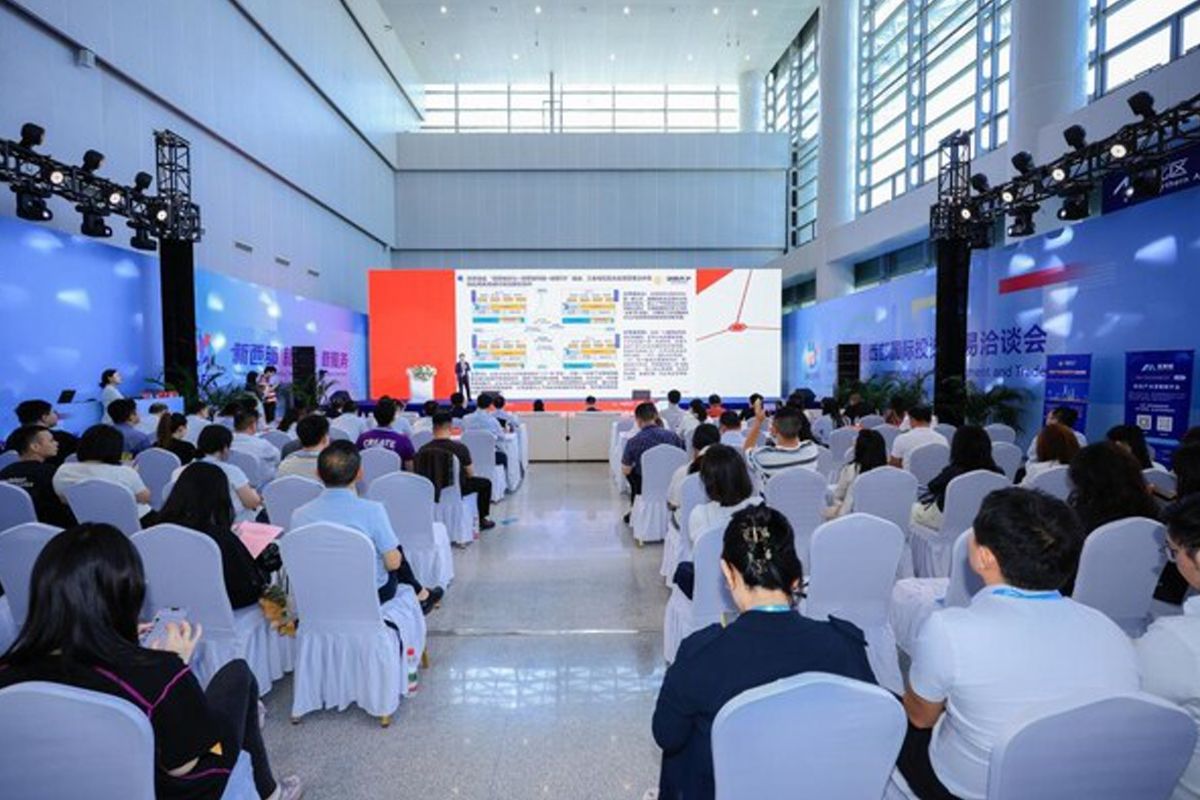
The China-Singapore Digital Trade Roadshow, held as part of WCIFIT, served as a platform for CFTEC and AEOTrade to showcase innovative solutions aimed at streamlining cross-border transactions. The event, which took place over two days, featured panel discussions, live demonstrations of digital trade tools, and one-on-one networking sessions between Chinese and Singaporean businesses.
Key highlights included:
- Digital trade infrastructure: Presentations on blockchain-based trade finance, AI-driven customs clearance, and cross-border e-commerce platforms designed to reduce friction in supply chains.
- Regulatory alignment: Discussions on harmonizing trade regulations between China and Singapore, particularly in areas like data localization, digital signatures, and tax compliance for online transactions.
- Case studies: Success stories from Singaporean SMEs exporting goods to China via digital platforms, as well as Chinese tech firms leveraging Singapore’s fintech ecosystem to expand globally.
- Policy dialogues: Sessions with officials from China’s Ministry of Commerce and Singapore’s Enterprise Singapore to address challenges such as cybersecurity risks and digital trade barriers.
The roadshow was not just a showcase of existing technologies but also a call to action for businesses to adopt digital-first strategies. With traditional trade routes facing disruptions—from geopolitical tensions to pandemic-related supply chain bottlenecks—digital trade has emerged as a critical alternative. According to a 2023 report by the Singapore International Chamber of Commerce (SICC), digital trade could add up to $1.5 trillion to Asia’s GDP by 2030 if current trends continue.
“The shift toward digital trade is no longer optional for businesses operating between China and Singapore,” said a senior executive from AEOTrade during the event. “The roadshow is about demonstrating that this transition is not just about technology—it’s about creating an ecosystem where trust, efficiency, and compliance go hand in hand.”
—
Who’s Behind the Collaboration: CFTEC and AEOTrade
The roadshow was co-hosted by two key organizations with deep ties to China-Singapore trade:
1. China Foreign Trade Center (CFTEC)
CFTEC, a subsidiary of China’s Ministry of Commerce, serves as a bridge between Chinese exporters and international markets. Its mandate includes promoting trade facilitation, investment promotion, and digital trade solutions. In recent years, CFTEC has played a pivotal role in expanding China’s digital trade corridors, particularly through initiatives like the China (Guangdong)-Singapore Digital Trade Connectivity Initiative, which aims to create a seamless digital environment for cross-border transactions.
CFTEC’s involvement in this roadshow reflects its broader strategy to position China as a leader in digital trade infrastructure. By partnering with Singapore—a jurisdiction known for its robust fintech and regulatory frameworks—CFTEC is signaling its commitment to international standards while adapting them to China’s unique economic landscape.
2. AEOTrade
AEOTrade is a Singapore-based trade facilitation platform specializing in digital solutions for cross-border commerce. Its services include authorized economic operator (AEO) certification, supply chain visibility tools, and compliance automation. AEOTrade has been instrumental in helping Singaporean businesses navigate China’s complex regulatory environment, particularly in areas like customs clearance and product certification.
The organization’s participation in the roadshow highlights its role as a facilitator of trust between Chinese and Singaporean traders. By leveraging its expertise in AEO certification—a program that simplifies customs procedures for pre-approved businesses—AEOTrade is helping to reduce the administrative burden on SMEs engaged in digital trade.
Why the partnership?
Both organizations share a common goal: to reduce the time and cost associated with cross-border trade. Traditional trade processes between China and Singapore can involve:
- Multiple layers of documentation (e.g., invoices, certificates of origin, health certificates).
- Delays at customs due to manual inspections or regulatory discrepancies.
- High transaction costs for SMEs, who often lack the resources to navigate complex compliance requirements.
The digital solutions showcased at the roadshow aim to address these pain points by:
- Automating document verification using blockchain.
- Providing real-time tracking of shipments via IoT sensors.
- Offering AI-powered compliance checks to ensure adherence to both Chinese and Singaporean regulations.
—
When and Where: The Timing and Location of the Roadshow
The roadshow took place during the World Conference on International Financial Innovation and Trade (WCIFIT), a biennial event that brings together policymakers, financial institutions, and tech companies to discuss the future of global trade. WCIFIT 2024, held in Singapore, was particularly timely given:
- The resurgence of China-Singapore trade ties following a period of strained relations over geopolitical issues.
- The global push for digital trade infrastructure in response to the COVID-19 pandemic, which accelerated the adoption of e-commerce and remote transactions.
- Singapore’s strategic position as a neutral hub for digital trade between China and Western markets.
The choice of WCIFIT as the venue was strategic. The conference’s focus on financial innovation made it an ideal platform to discuss:
- Digital trade finance: How blockchain and smart contracts can reduce fraud and improve liquidity in cross-border transactions.
- Cross-border payments: Solutions to mitigate the challenges of currency conversions and regulatory restrictions.
- Risk management: Tools to assess and mitigate cybersecurity and compliance risks in digital trade.
Singapore’s role as the host city further amplified the event’s significance. As a global financial center with a long-standing free trade agreement with China, Singapore is uniquely positioned to facilitate digital trade between Asia and the West. The roadshow’s timing also coincided with China’s push to expand its digital economy, which is projected to reach $10 trillion by 2030.
—
Why It Matters: The Broader Implications of Digital Trade Between China and Singapore
The China-Singapore Digital Trade Roadshow is more than a business event—it’s a reflection of how digital infrastructure is reshaping global commerce. To understand its significance, it’s essential to examine the broader context:
1. The Rise of Digital Trade in Asia
Asia is at the forefront of the digital trade revolution. According to the Asian Development Bank (ADB), digital trade in the region grew by 27% annually between 2015 and 2020, outpacing traditional trade growth. Key drivers include:
- E-commerce expansion: Platforms like Alibaba, JD.com, and Lazada have become critical channels for cross-border sales.
- Mobile payments: Services like Alipay and WeChat Pay have reduced cash dependency in transactions.
- Government initiatives: Both China and Singapore have launched digital trade zones to attract foreign investment and streamline customs.
For China, digital trade is a cornerstone of its Made in China 2025 initiative, which aims to upgrade the country’s manufacturing sector through automation and digital integration. Singapore, meanwhile, is leveraging its status as a Smart Nation to become a regional leader in digital trade infrastructure.
2. Regulatory and Geopolitical Challenges
Despite the potential benefits, digital trade between China and Singapore faces hurdles:
- Data localization laws: China’s Data Security Law and Personal Information Protection Law (PIPL) require foreign businesses to store data locally, which can complicate cross-border transactions.
- Cybersecurity concerns: Both countries have strict regulations on data protection, making it challenging for businesses to adopt shared digital platforms.
- Geopolitical tensions: While China-Singapore relations remain strong, broader U.S.-China trade disputes could indirectly affect digital trade flows.
The roadshow addressed these challenges by proposing solutions such as:
- Shared data centers in free trade zones (e.g., the China (Guangdong)-Singapore Digital Trade Connectivity Initiative).
- Interoperable cybersecurity frameworks to ensure compliance with both Chinese and Singaporean laws.
- Dispute resolution mechanisms for digital trade conflicts.
3. Economic Impact for Businesses
The roadshow’s focus on SMEs is particularly noteworthy. Slight and medium-sized enterprises (SMEs) account for over 90% of businesses in both China and Singapore, yet they often struggle with the high costs of traditional trade. Digital trade offers a lifeline:
- Lower entry costs: Platforms like Alibaba and Shopee allow SMEs to reach global markets without significant upfront investment.
- Faster transactions: Automated customs clearance and digital invoicing can reduce trade cycles from weeks to days.
- Access to financing: Digital trade platforms often integrate with fintech solutions, providing SMEs with easier access to trade credit.
For example, a Singaporean SME exporting electronics to China can now:
- Use blockchain to verify the authenticity of its products.
- Leverage AI to predict demand and optimize inventory.
- Receive instant payments via digital trade finance tools.
4. Long-Term Strategic Benefits
Beyond immediate cost savings, the China-Singapore digital trade partnership could yield long-term strategic advantages:
- Supply chain resilience: Digital trade reduces reliance on physical infrastructure, making supply chains more adaptable to disruptions.
- Innovation hubs: The collaboration could spur the development of new fintech and logistics solutions tailored to Asia’s needs.
- Regional leadership: If successful, this model could be replicated between China and other ASEAN nations, strengthening Asia’s position in global trade.
—
Reactions and Expert Perspectives
The roadshow generated significant interest from industry leaders, policymakers, and analysts. Here’s a snapshot of key reactions:
From Policymakers
Chinese officials emphasized the roadshow’s role in deepening economic ties. “Digital trade is not just about technology—it’s about building trust and creating new opportunities for both countries,” stated a spokesperson from China’s Ministry of Commerce. “Singapore’s experience in digital governance makes it an ideal partner in this endeavor.”
Singaporean officials echoed this sentiment, highlighting the roadshow’s alignment with the city-state’s Smart Nation initiative. “By collaborating with China on digital trade, we are not only facilitating commerce but also setting a global benchmark for how nations can work together in the digital economy,” said a representative from Enterprise Singapore.
From Industry Experts
Analysts praised the roadshow’s focus on practical solutions. “The event went beyond theory—it demonstrated real-world applications of digital trade tools,” noted Dr. Li Wei, a trade economist at the Singapore Management University (SMU). “This is particularly important for SMEs, which often lack the resources to navigate complex digital trade ecosystems.”
Another expert, Mr. Tan Kok Heng, CEO of a regional logistics firm, pointed to the roadshow’s potential to reduce trade barriers: “If digital trade between China and Singapore can be streamlined, it could serve as a model for other ASEAN-China trade corridors. The key will be ensuring that regulatory frameworks remain flexible enough to accommodate future innovations.”
From Business Leaders
Singaporean exporters expressed optimism about the roadshow’s outcomes. “For a small business like ours, entering the Chinese market used to mean dealing with endless paperwork and delays,” said Ms. Ng Mei Ling, founder of a Singaporean home goods exporter. “Now, with digital trade tools, we can focus on growing our business instead of managing logistics.”
Chinese tech firms also saw value in the collaboration. “Singapore’s fintech ecosystem is unmatched in Southeast Asia,” remarked Mr. Wang Lei, CEO of a Shanghai-based e-commerce platform. “This roadshow has given us direct access to Singaporean partners who can help us expand into new markets.”
—
What Comes Next: Watching the Ripple Effects
The China-Singapore Digital Trade Roadshow at WCIFIT marks a pivotal moment in the evolution of cross-border commerce between the two nations. While the immediate outcomes—such as new pilot projects and policy discussions—will take time to materialize, several developments are worth monitoring:
- Pilot programs: Expect announcements of joint initiatives between CFTEC and AEOTrade, such as digital trade zones or shared compliance platforms, in the coming months.
- Regulatory updates: Both China and Singapore may introduce new guidelines to facilitate digital trade, particularly in areas like data sharing and cybersecurity.
- SME adoption: The success of the roadshow will hinge on how quickly small businesses in both countries adopt digital trade tools. Look for case studies and success metrics in 2025.
- Broader ASEAN integration: If the China-Singapore model proves effective, other ASEAN nations may seek similar partnerships, potentially leading to a regional digital trade network.
- Geopolitical shifts: Any changes in U.S.-China relations could impact the pace of digital trade expansion, particularly in sensitive sectors like semiconductor exports.
For businesses, the roadshow serves as a wake-up call: the future of trade is digital, and those who fail to adapt risk being left behind. For policymakers, it’s an opportunity to shape the rules of the digital economy before global standards are set by larger players. And for consumers, the potential benefits—faster deliveries, lower costs, and greater product variety—could redefine shopping in Asia.
—
Key Takeaways
The China-Singapore Digital Trade Roadshow at WCIFIT is more than an event—it’s a harbinger of a new era in cross-border commerce. Here’s what readers should remember:
- Digital trade is accelerating: With traditional trade facing disruptions, digital solutions are becoming essential for businesses in China and Singapore.
- Collaboration is key: The success of this initiative depends on alignment between Chinese and Singaporean regulators, tech providers, and businesses.
- SMEs stand to gain the most: Digital trade tools can level the playing field for small businesses, reducing barriers to entry in both markets.
- Regulatory challenges remain: Data localization, cybersecurity, and geopolitical tensions could slow progress if not addressed proactively.
- The model could expand regionally: If successful, this partnership may inspire similar digital trade corridors between China and other ASEAN nations.
—
Frequently Asked Questions
What is the China-Singapore Digital Trade Roadshow?
The roadshow is a collaborative event hosted by CFTEC and AEOTrade during WCIFIT, focusing on digital solutions to streamline cross-border trade between China and Singapore. It includes panel discussions, live demos of trade technologies, and networking sessions for businesses.
How does digital trade differ from traditional trade?
Digital trade involves the use of technology—such as blockchain, AI, and e-commerce platforms—to facilitate transactions, reduce paperwork, and speed up customs clearance. Traditional trade relies on physical documentation, manual inspections, and slower communication between parties.
Which businesses will benefit most from this initiative?
Small and medium-sized enterprises (SMEs) are likely to see the biggest advantages, as digital trade tools can lower their entry costs, reduce transaction times, and provide access to trade finance. Larger corporations may also benefit from improved supply chain visibility and compliance automation.
What are the biggest challenges to digital trade between China and Singapore?
The primary hurdles include:
- Data localization laws in China that require foreign businesses to store data locally.
- Cybersecurity risks and differing regulatory standards between the two countries.
- Geopolitical tensions that could impact trade flows, particularly in sensitive sectors.
Will this roadshow lead to new trade agreements?
While the roadshow itself is not expected to produce a formal trade agreement, it could pave the way for new pilot programs, regulatory harmonization efforts, and expanded digital trade zones between China and Singapore.
How can a business participate in digital trade between China and Singapore?
Businesses can start by:
- Registering for AEO certification to simplify customs processes.
- Adopting digital trade platforms like Alibaba, JD.com, or Shopee for cross-border sales.
- Partnering with fintech providers to access trade finance and payment solutions.
- Engaging with initiatives like the China (Guangdong)-Singapore Digital Trade Connectivity Initiative.
—
As digital trade continues to reshape global commerce, the China-Singapore collaboration stands as a testament to how innovation and partnership can overcome traditional trade barriers. For businesses, policymakers, and consumers alike, the road ahead is not just about technology—it’s about reimagining how trade itself functions in the digital age.
