
South Africa’s Rand Strengthens Amid Record Gold Price Rally: What Drives the Currency’s Surge?
The South African rand has strengthened in recent trading sessions, reaching its highest levels against the U.S. Dollar in months as global gold prices continue their relentless climb. With gold prices nearing historic highs, the rand’s performance reflects both the country’s deep economic ties to the precious metals sector and broader market dynamics that have reshaped investor sentiment. This rally, while positive for South African exporters and gold producers, also raises questions about sustainability, the resilience of other African currencies, and the long-term implications for a nation still recovering from years of economic volatility.
Analysts point to a confluence of factors driving this movement—from geopolitical tensions fueling safe-haven demand for gold to domestic policy adjustments that have improved investor confidence. But beneath the surface, the rand’s gains also highlight the delicate balance between South Africa’s commodity-dependent economy and its broader structural challenges, including high unemployment and persistent fiscal deficits. For businesses, investors, and everyday citizens, understanding these forces is key to navigating what could be a pivotal moment for the country’s financial markets.
Key points:
- Gold prices have surged to record levels, directly boosting the rand’s value.
- South Africa’s economy remains heavily reliant on gold exports, making it particularly sensitive to commodity price fluctuations.
- Recent policy adjustments and global risk sentiment have contributed to the rand’s stability.
- While the gains are welcome, analysts caution against overreliance on commodity prices for long-term economic health.
—
How Gold Prices Are Shaping the Rand’s Value
The relationship between gold prices and the South African rand is well-documented, but recent movements have intensified scrutiny of this correlation. Gold accounts for a significant portion of South Africa’s export earnings, and the country is home to some of the world’s largest gold mining operations. When gold prices rise, demand for the rand typically follows, as foreign investors and traders seek to purchase the currency to facilitate transactions in the commodity.
In the most recent trading sessions, gold prices have surged past $5,000 per ounce—a threshold not seen since the early 2020s—and analysts attribute this rally to a mix of factors:
- Geopolitical uncertainty: Ongoing conflicts, trade tensions, and sanctions have driven investors toward gold as a safe-haven asset. The metal’s reputation as a hedge against inflation and currency devaluation has strengthened its appeal.
- Central bank demand: Major central banks, including those in China and India, have been increasing their gold reserves, further tightening supply and pushing prices higher.
- Weakness in other assets: Stock markets and traditional safe-haven currencies like the U.S. Dollar have experienced volatility, making gold an attractive alternative for portfolio diversification.
For the rand, this surge has translated into tangible gains. In recent weeks, the currency has appreciated against the U.S. Dollar, reaching levels not seen since early 2025. This improvement is particularly notable given the rand’s history of volatility, which has often been tied to global commodity cycles and domestic economic instability.
Data snapshot: Gold’s impact on the rand
| Date | Gold Price (per ounce) | Rand Exchange Rate (ZAR/USD) | Key Event |
|---|---|---|---|
| January 2025 | $4,800 | 16.20 | Post-election policy optimism |
| March 2026 | $5,100 | 16.05 | Geopolitical tensions escalate |
| June 2, 2026 | $5,250 | 16.0475 | Record gold demand. rand stabilizes |
While the correlation between gold prices and the rand is strong, it is not the sole driver of the currency’s recent performance. Other factors, including interest rate differentials, risk sentiment, and domestic economic indicators, also play a role. However, the weight of gold’s influence cannot be overstated—especially in a country where mining remains a cornerstone of economic activity.
—
South Africa’s Economic Ties to Gold: A Double-Edged Sword
South Africa’s economy has long been intertwined with gold, a legacy that dates back to the late 19th century when the Witwatersrand Basin became one of the world’s richest goldfields. Today, the country remains a global leader in gold production, with the sector contributing significantly to GDP, employment, and foreign exchange earnings. However, this dependence also introduces vulnerabilities, particularly in times of commodity price volatility.
For instance, when gold prices spike, as they have in recent months, the rand benefits from increased demand for the currency among international traders, and investors. This inflow of foreign capital can stabilize the exchange rate and provide a boost to the country’s forex reserves. Conversely, when gold prices decline—such as during the 2010s—South Africa has faced currency depreciation, capital outflows, and economic strain.
Key stakeholders in South Africa’s gold-driven economy:
- Gold mining companies: Firms like AngloGold Ashanti, Sibanye-Stillwater, and Harmony Gold are major employers and exporters. Their profitability is directly tied to gold prices, influencing everything from share prices to dividend payouts.
- The South African Reserve Bank (SARB): The central bank monitors forex reserves and intervenes in currency markets to manage volatility. Its policies can either amplify or mitigate the impact of gold price movements on the rand.
- Exporters and importers: Businesses that rely on foreign currency transactions—such as those importing machinery or raw materials—are particularly sensitive to exchange rate fluctuations.
- Household consumers: While a stronger rand can lower the cost of imports like electronics and fuel, it can also make travel abroad more expensive for South Africans.
Analysts warn that while the current rally in gold prices is a positive short-term development, South Africa’s long-term economic health cannot be sustained solely on commodity exports. Diversification into sectors like renewable energy, technology, and manufacturing is critical to reducing the country’s exposure to commodity price swings.
—
Broader Market Dynamics: What Else Is Influencing the Rand?
While gold prices are the most immediate driver of the rand’s recent gains, other macroeconomic and geopolitical factors are also at play. Understanding these broader dynamics provides context for why the currency has stabilized—and what might lie ahead.
1. Global Risk Sentiment and Safe-Haven Flows
Gold is not the only asset benefiting from recent market conditions. The broader trend of safe-haven demand has also supported other commodities like silver and platinum, which South Africa also produces. This “commodity complex” effect can create a halo around the rand, as investors view the currency as a proxy for exposure to these assets.
the U.S. Federal Reserve’s stance on interest rates has had a ripple effect. While the Fed has not signaled aggressive rate hikes in 2026, the prospect of a prolonged period of higher rates has kept the U.S. Dollar relatively strong. This has made other currencies, including the rand, more attractive to investors seeking higher yields in emerging markets.
2. Domestic Policy and Investor Confidence
South Africa’s recent economic policies have also played a role in stabilizing the rand. Efforts to reduce fiscal deficits, improve governance in state-owned enterprises, and attract foreign direct investment have gradually restored confidence among international investors. While challenges remain—such as load shedding (rolling blackouts) and high unemployment—the perception of reform has helped mitigate some of the currency’s historical volatility.
For example, the South African government’s commitment to reducing debt levels and improving transparency in sectors like energy has been noted by ratings agencies, which have upgraded the country’s credit outlook. This, in turn, has encouraged portfolio investors to allocate funds to South African assets, including the rand.
3. The Role of Other African Currencies
South Africa’s rand is not operating in isolation. Other African currencies, such as Nigeria’s naira and Egypt’s pound, have also experienced fluctuations in response to global commodity prices and regional economic conditions. However, the rand’s performance is often seen as a bellwether for the continent due to South Africa’s larger economy and deeper financial markets.
In recent months, the rand has outperformed several of its peers, partly due to its stronger ties to gold and platinum. This has led some economists to speculate that South Africa could serve as a safe harbor for investors seeking exposure to African markets without the higher volatility associated with smaller, less liquid currencies.
—
Potential Risks and Challenges Ahead
While the rand’s recent gains are a positive development, they are not without risks. Several factors could undermine the currency’s stability or limit the benefits of the gold price rally.
1. Overreliance on Commodity Prices
South Africa’s economy remains heavily dependent on mining, particularly gold and platinum. While this dependence has provided stability in the short term, it also creates long-term risks. If gold prices were to decline sharply—due to a shift in investor sentiment, a reduction in geopolitical tensions, or an unexpected increase in supply—the rand could face significant pressure.
Historically, such downturns have led to currency depreciation, capital outflows, and economic slowdowns. For instance, the rand weakened sharply in 2015 and 2016 as gold prices fell, contributing to a broader crisis in emerging markets.
2. Domestic Economic Headwinds
Despite recent improvements, South Africa’s economy faces persistent challenges, including:
- High unemployment: Unemployment remains above 30%, which limits consumer spending and economic growth.
- Energy shortages: Load shedding continues to disrupt business operations and deter investment.
- Fiscal constraints: The government’s debt-to-GDP ratio remains high, restricting its ability to respond to economic shocks.
These issues could offset some of the benefits of a stronger rand, particularly if they lead to reduced investor confidence or capital flight.
3. Global Economic Uncertainty
The rand’s performance is also vulnerable to broader global trends, such as:
- U.S. Monetary policy: If the Federal Reserve signals a more hawkish stance, the U.S. Dollar could strengthen, pressuring emerging market currencies like the rand.
- China’s economic slowdown: As a major importer of gold, China’s economic health directly impacts global commodity prices.
- Geopolitical developments: Escalations in conflicts or trade wars could either boost or destabilize gold prices, with corresponding effects on the rand.
Analysts suggest that while the current environment is favorable, South Africa must remain vigilant and proactive in managing these risks.
—
What This Means for Investors, Businesses, and Citizens
The rand’s recent gains have practical implications for different segments of South African society, each with distinct opportunities and challenges.
For Investors
Foreign investors viewing the rand as a high-yielding emerging market currency may see this as an opportune moment to increase exposure. The combination of higher gold prices, improved policy credibility, and relatively attractive interest rates makes South Africa an appealing destination for portfolio diversification.
However, investors should be cautious about overconcentration in commodity-linked assets. Diversification across sectors—such as financials, technology, and consumer staples—could help mitigate risks associated with commodity price volatility.
For Businesses
Exporters, particularly those in the mining and agricultural sectors, stand to benefit from a stronger rand, as it increases the value of their foreign earnings when converted back to South African currency. Conversely, importers—such as manufacturers relying on imported raw materials—may face higher costs, particularly if the rand’s strength is not offset by falling import prices.
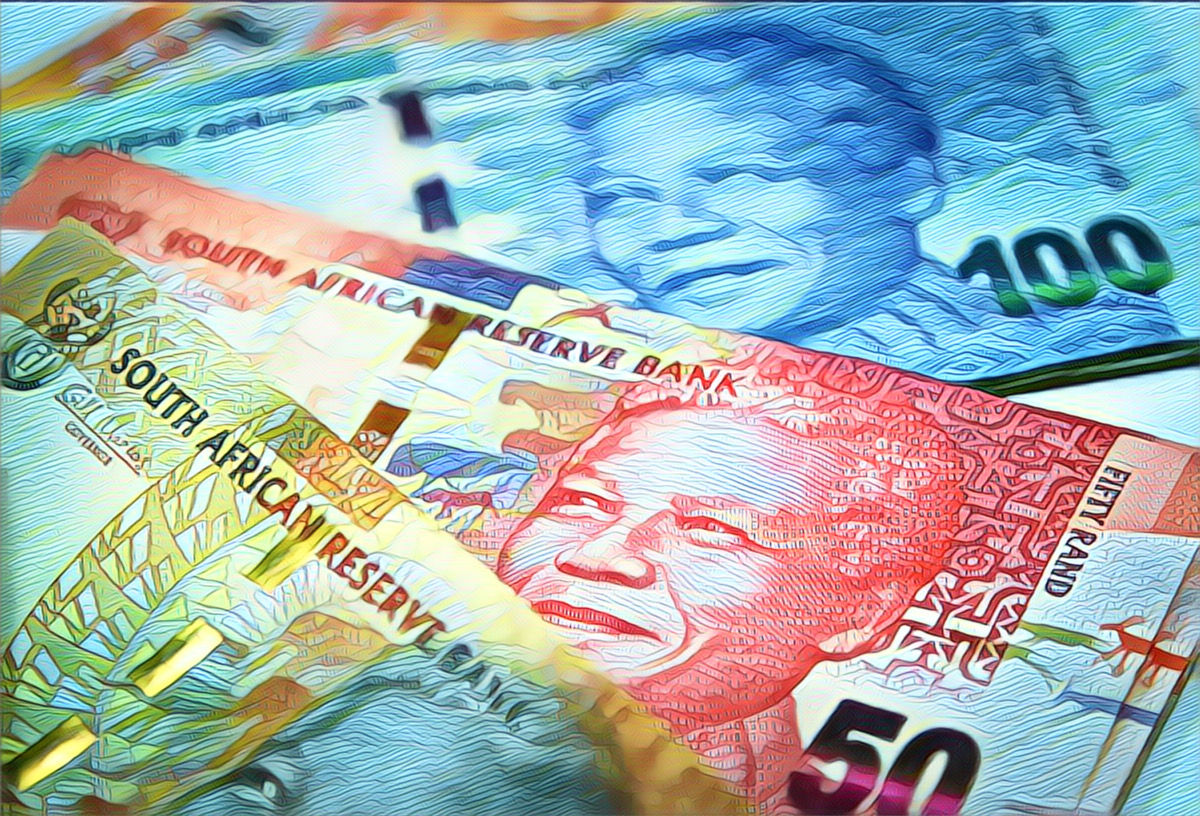
Companies operating in South Africa should also monitor the sustainability of the rand’s gains. If the currency appreciates too rapidly, it could erode profit margins for exporters and reduce competitiveness in global markets.
For Citizens
For everyday South Africans, a stronger rand has both positive and negative effects:
- Pros: Imports like electronics, vehicles, and travel become more affordable.
- Cons: Locally produced goods may become less competitive, and exporters—such as farmers—could face reduced demand for their products abroad.
while a stronger rand can ease inflationary pressures by reducing import costs, it may also signal tighter monetary policy, which could lead to higher borrowing costs for consumers and businesses.
—
Looking Ahead: What to Watch
The rand’s recent performance is a snapshot of a complex interplay between global commodity markets, domestic policy, and investor sentiment. While the near-term outlook appears positive, several developments will be critical to monitor:
- Gold price trends: Will the rally continue, or are we seeing a peak before a correction?
- South African policy actions: Will further reforms be implemented to address structural economic challenges?
- Global risk appetite: How will shifts in U.S. Monetary policy or geopolitical tensions impact emerging market currencies?
- Energy sector stability: Can South Africa reduce its reliance on load shedding, or will this remain a drag on investor confidence?
For now, the rand’s gains offer a glimmer of optimism for a country that has long struggled with economic instability. However, the sustainability of this rally will depend on whether South Africa can leverage its commodity strengths while simultaneously addressing deeper structural issues. The coming months will be telling.
—
Frequently Asked Questions
Why is the South African rand linked to gold prices?
The rand’s value is closely tied to gold because South Africa is one of the world’s largest gold producers. When gold prices rise, demand for the rand increases as traders and investors need the currency to facilitate gold purchases. This creates a direct correlation between the two.
Could the rand’s strength last, or is this a temporary rally?
While the current rally is driven by strong gold prices and improved investor sentiment, the rand’s long-term stability depends on broader economic fundamentals. If gold prices decline or domestic challenges—such as high unemployment or energy shortages—worsen, the rand could face renewed pressure.
How does a stronger rand affect South African consumers?
A stronger rand makes imports cheaper, benefiting consumers who buy foreign goods like electronics or travel abroad. However, it can also make locally produced goods less competitive and may lead to higher borrowing costs if the South African Reserve Bank tightens monetary policy in response.
Is South Africa’s economy diversifying away from gold?
Efforts are underway to reduce reliance on gold and other commodities, with a focus on sectors like renewable energy, technology, and manufacturing. However, mining—particularly gold and platinum—remains a critical part of the economy, and full diversification could take years.
What are the biggest risks to the rand’s stability?
The primary risks include a sharp decline in gold prices, global economic downturns, shifts in U.S. Monetary policy, and persistent domestic challenges like energy shortages and high unemployment. These factors could all undermine the rand’s recent gains.
Should investors consider the rand as a safe-haven currency?
While the rand has shown resilience during periods of global uncertainty, it is not a traditional safe-haven currency like the U.S. Dollar or Swiss franc. Investors should view it as a high-yielding emerging market asset with commodity exposure, rather than a pure hedge against risk.
—
