DSWD Hosts High-Level ASEAN Forum on Unlocking Silver Economy: A Strategic Shift for Aging Populations
The Department of Social Welfare and Development (DSWD) is set to lead a critical regional dialogue as it hosts a high-level ASEAN forum on unlocking silver economy on June 3-4, 2026. This initiative marks a significant pivot in how Southeast Asian nations perceive and engage with their aging populations, moving away from a traditional view of the elderly as a dependent demographic and toward a framework that recognizes them as a potent economic and social resource.
By convening leaders and policymakers across the ASEAN region, the DSWD aims to explore the “silver economy”—the system of production, distribution, and consumption of goods and services designed to meet the needs of people over aged 50. As the region faces a rapid demographic transition, the DSWD hosts high-level ASEAN forum on unlocking silver economy – Philippine News Agency reporting highlights a timely effort to synchronize social protection policies with economic opportunities that benefit both the state and the senior citizen.
The Core Objective: Redefining the Role of Seniors in Society
For decades, social welfare strategies for the elderly have focused primarily on “passive” support: pensions, healthcare subsidies, and basic care. While these remain essential, the upcoming forum hosted by the DSWD seeks to introduce “active” aging strategies. The goal is to unlock the economic potential of the silver generation, ensuring they remain integrated into the workforce, the marketplace, and the community.
The silver economy is not merely about selling products to seniors; it is about redesigning the economy to be inclusive of all ages. This involves creating environments where older adults can continue to contribute their expertise, maintain their financial independence, and drive demand for new industries in health-tech, leisure, and lifelong learning.
Key Themes of the ASEAN Dialogue
- Economic Participation: Exploring flexible employment models and entrepreneurship for seniors.
- Healthcare Innovation: Integrating technology to improve geriatric care and preventative health.
- Social Integration: Combating isolation through intergenerational programs and community-based support.
- Financial Security: Strengthening pension systems and promoting sustainable financial planning for the long term.
Why the Silver Economy Matters for ASEAN
The Southeast Asian landscape is changing. While many ASEAN nations have historically benefited from a “demographic dividend”—a large, young working population—this trend is shifting. Several member states are experiencing a rapid increase in the proportion of older adults due to increasing life expectancy and declining birth rates.
If left unmanaged, this demographic shift could strain healthcare systems and reduce the available labor force. However, by “unlocking” the silver economy, ASEAN nations can turn this challenge into a competitive advantage. The expertise, accumulated wealth, and consumption power of the older generation represent a massive, often untapped, market.
| Traditional Elderly Care Model | Silver Economy Framework |
|---|---|
| Viewed as a social burden/dependency | Viewed as an economic asset/resource |
| Focus on basic survival and health | Focus on quality of life and productivity |
| Passive receipt of government aid | Active participation in markets and workforce |
| Isolated care facilities | Integrated, age-friendly communities |
The DSWD’s Role in Driving Regional Change
As the primary agency responsible for social protection in the Philippines, the DSWD is uniquely positioned to lead this conversation. The agency’s mandate extends beyond poverty alleviation; it encompasses the holistic well-being of vulnerable sectors, including the elderly. By hosting this forum, the DSWD is signaling that social welfare and economic development are not mutually exclusive but are, in fact, interdependent.
The DSWD’s involvement suggests a move toward a more integrated approach where social services act as a springboard for economic activity. For instance, by ensuring basic health and nutritional security for seniors, the government enables them to engage in livelihood opportunities or mentorship roles, which in turn reduces the long-term fiscal pressure on the state.
“The transition to a silver economy requires a fundamental shift in mindset—from seeing aging as a period of decline to seeing it as a period of new possibilities and continued contribution.”
Integrating Social Protection with Economic Growth
The DSWD has a history of implementing livelihood programs and community-based interventions. Applying this experience to the silver economy could involve:
- Customized Livelihood Training: Developing programs that leverage the existing skills of seniors for consultancy or artisanal production.
- Age-Friendly Infrastructure: Collaborating with local government units to ensure that public spaces and transport are accessible, allowing seniors to remain mobile and economically active.
- Digital Literacy Initiatives: Bridging the “digital divide” to ensure seniors can access e-commerce, digital banking, and telehealth services.
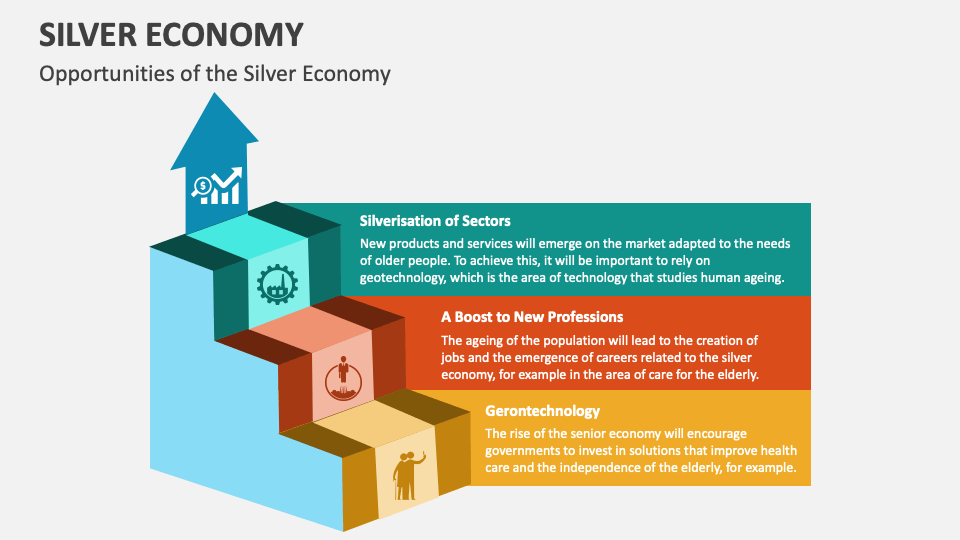
The Economic Pillars of the Silver Economy
To truly unlock the silver economy, the forum will likely address several key industrial pillars that can drive GDP growth across ASEAN.
1. The Health and Wellness Sector
Aging populations require more than just curative medicine; they require holistic wellness. This includes geriatric specialization in medicine, home-care services, and the development of “age-tech”—devices and software that allow seniors to live independently for longer. The demand for specialized nutrition and chronic disease management also creates significant opportunities for the pharmaceutical and food industries.
2. Financial Services and Wealth Management
As people live longer, the nature of financial planning changes. There is a growing need for products that manage longevity risk, such as specialized annuities, reverse mortgages, and wealth transfer tools. Financial institutions that can tailor their services to the specific psychological and physical needs of older clients will find a lucrative market.
3. Lifelong Learning and Education
The concept of “education for a lifetime” is central to the silver economy. As career spans lengthen, there is a need for “upskilling” and “reskilling” for older workers. The desire for cognitive stimulation and personal growth among retirees drives a market for adult education, hobby-based learning, and professional certification for seniors.
4. Age-Friendly Urbanism and Housing
The physical environment often acts as a barrier to the silver economy. “Unlocking” this potential requires a shift in urban planning. This includes the development of assisted living communities that are integrated into the city rather than isolated, and the modification of existing housing to be safer and more accessible.
Potential Challenges and Misconceptions
Despite the potential, the transition to a silver economy is not without obstacles. One of the most common misconceptions is that the silver economy only benefits the wealthy elderly. In reality, for the framework to be successful, it must be inclusive.
The Risk of Inequality
There is a significant disparity in how different socioeconomic groups age. Those with lifelong savings and health insurance can easily transition into the silver economy. However, those who worked in the informal sector or lacked access to pensions remain vulnerable. The DSWD’s role is critical here—ensuring that the “unlocking” of the silver economy includes social safety nets that prevent the marginalized elderly from being left behind.
The “Ageism” Barrier
Cultural stereotypes about aging—that older adults are less productive, slower to learn, or technologically inept—remain a major hurdle. Overcoming these biases requires not just policy changes, but a cultural shift. The ASEAN forum serves as a platform to challenge these narratives and showcase the value of “cognitive diversity” in the workplace, where the experience of seniors complements the innovation of youth.
For more information on how social services are evolving, you may find our related explainer on social protection frameworks useful.
Regional Implications for ASEAN Integration
The decision to make this an ASEAN-level forum rather than a national one is strategic. The challenges of aging are shared across the region, although they manifest differently in each country. For example, Singapore and Thailand are aging more rapidly than some of their neighbors, providing a “preview” of the challenges other member states will soon face.
By collaborating, ASEAN nations can:
- Share Best Practices: Adopting successful models of elderly care and economic integration from more advanced aging societies.
- Harmonize Standards: Creating regional standards for geriatric care and age-tech products to facilitate trade.
- Collaborate on Research: Conducting cross-border studies on the health and economic behavior of the ASEAN elderly population.
Strategic Takeaways for Stakeholders
As the DSWD prepares to host the forum on June 3-4, 2026, various stakeholders should consider how they can align with the silver economy trend.
For Policymakers
Focus on legislation that encourages the employment of seniors, such as tax incentives for companies that hire older workers or grants for senior-led startups. Ensure that social protection is integrated with economic empowerment.
For the Private Sector
Audit products and services for “age-friendliness.” This is not just about larger fonts on a screen; it is about understanding the journey of an older consumer and removing friction points in the user experience.
For Civil Society
Advocate for the rights of the elderly to remain active and productive. Focus on community-level programs that prevent social isolation and promote intergenerational mentorship.
Frequently Asked Questions
What exactly is the “Silver Economy”?
The silver economy refers to the economic opportunities and activities that cater to the needs of people aged 50 and above. It encompasses everything from healthcare and specialized housing to financial services and employment opportunities tailored for older adults.

Why is the DSWD hosting this forum?
The DSWD is hosting the forum to shift the approach to elderly welfare from a purely supportive (passive) model to one that empowers seniors to be economically and socially active (active aging), while ensuring that social protections remain in place for the most vulnerable.
How does the silver economy benefit the younger generation?
A thriving silver economy reduces the dependency ratio, meaning there is less financial pressure on the working-age population to support the elderly. It fosters intergenerational knowledge transfer, where the experience of seniors helps mentor and guide younger workers.
When and where is the forum taking place?
The high-level ASEAN forum on unlocking silver economy is scheduled for June 3-4, 2026, hosted by the Department of Social Welfare and Development (DSWD).
Will this forum only focus on the Philippines?
No, this is an ASEAN-level event. While hosted by the DSWD in the Philippines, it aims to bring together leaders and experts from across the ASEAN region to develop a collaborative strategy for aging populations.
The upcoming forum represents a critical juncture for the region. By viewing the aging process through an economic lens, the DSWD and its ASEAN partners are not just preparing for a demographic shift—they are attempting to redefine the very nature of aging in the 21st century. The success of this initiative will depend on the ability of governments and the private sector to work together to create a society where age is seen not as a limitation, but as a distinct and valuable asset.
