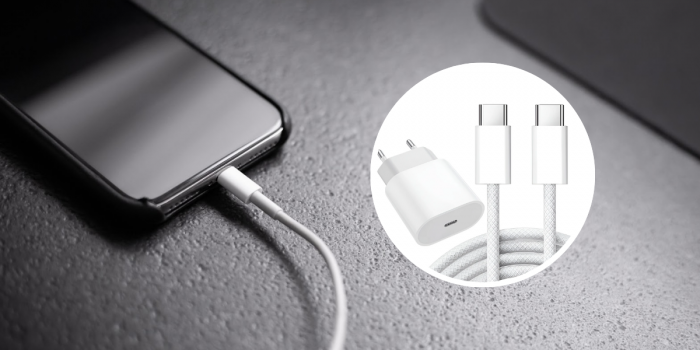
Chile has mandated the use of USB-C charging ports for all electronic devices sold within its borders, marking a significant shift in consumer electronics regulation. The requirement, enforced by the country’s National Service for Consumer Affairs (Sernac), will take effect in March 2024 and could see brands facing penalties of up to 2% of their annual revenue for non-compliance.
Regulatory Shift Drives Industry Compliance
The policy aims to reduce electronic waste and streamline consumer convenience by standardizing charging technology across smartphones, laptops and other devices. Under the new rule, manufacturers must equip products with USB-C ports, eliminating the need for multiple proprietary chargers. Sernac emphasized that the measure aligns with global sustainability efforts, particularly in reducing the environmental impact of discarded charging cables and adapters.

Industry analysts note that the regulation could accelerate the phase-out of older charging standards, such as Apple’s Lightning port, which has long been a point of contention in regulatory debates. The move also mirrors similar policies in the European Union, which recently passed legislation requiring USB-C as the standard for electronic devices by 2024.
Economic Implications for Tech Consumers
For consumers, the shift could lead to long-term cost savings, as standardized charging solutions reduce the need to purchase multiple adapters. However, the transition may initially burden brands with the cost of redesigning products and updating supply chains. Smaller manufacturers, in particular, may face challenges in adapting to the new requirements without significant investment.
Sernac’s enforcement mechanism includes fines for non-compliant companies, with penalties calculated based on the company’s annual revenue. The agency has also launched a public awareness campaign to inform consumers about the benefits of the policy and how to identify compliant products.
Broader Impact on Global Markets
The regulation underscores the growing influence of Latin American markets in shaping global tech standards. By adopting a unified charging protocol, Chile is positioning itself as a leader in sustainable technology policy, potentially encouraging other nations to follow suit. This could pressure multinational corporations to prioritize USB-C in their product designs, even in regions where the standard is not yet mandated.
For investors, the policy highlights the importance of regulatory foresight in the tech sector. Companies that fail to adapt to evolving compliance requirements may face financial penalties and reputational risks, while those that proactively align with such standards could gain a competitive edge in emerging markets.
The next phase of the policy will involve monitoring compliance and addressing potential loopholes, such as the sale of non-compliant devices through informal channels. Sernac has indicated that it will work closely with industry stakeholders to ensure a smooth transition, though the long-term effectiveness of the regulation will depend on consistent enforcement and consumer adoption.
