
Normandy’s 2026 Impressionist Celebration: How a 70-Event Festival Will Redefine Monet’s Legacy
The region that inspired some of art history’s most iconic works is preparing to stage its grandest tribute yet. In 2026, Normandy will host an unprecedented Impressionist Festival spanning over 70 events, marking the centenary of Claude Monet’s death with exhibitions, performances, and immersive experiences that promise to redefine how the world engages with Impressionism. From private collections rarely seen outside France to large-scale outdoor projections of Monet’s masterpieces, this festival isn’t just a celebration—it’s a cultural reset for one of the most influential artistic movements of the 19th century.
But why Normandy? And how will this festival differ from past tributes to Monet and his contemporaries? The answers lie in the region’s deep connection to the movement, the strategic collaboration between cultural institutions, and a bold approach to blending tradition with innovation. As organizers finalize plans, the festival is poised to attract art enthusiasts, historians, and casual visitors alike—offering a rare opportunity to step into the landscapes that shaped Impressionism’s revolutionary vision.
— ###
The Festival’s Scale: 70+ Events Across Three Months
Unlike previous commemorations of Monet’s life or work—such as the 2023 exhibition at the Musée d’Orsay or the 2019 Giverny centenary—the 2026 Normandy Impressionist Festival is designed as a multi-layered cultural experience, stretching from late spring through early autumn. The scale is ambitious: over 70 curated events, including:
- Exclusive exhibitions featuring works from private collections, some never before displayed in public.
- Live performances inspired by Impressionist themes, from classical concerts to contemporary ballet.
- Guided tours of Monet’s favorite landscapes, now threatened by climate change, with artists and historians leading discussions on how the region has evolved.
- Interactive digital experiences, including augmented reality (AR) walks that overlay digital recreations of Monet’s paintings onto their real-world settings.
- Culinary and craft workshops exploring how Impressionist aesthetics influenced gastronomy and design in 19th-century France.
A key innovation is the festival’s geographic spread. While Giverny—Monet’s home and garden—will remain a focal point, events will extend to:
- Rouen, where Monet was born, with archives and lesser-known works from his early career.
- Le Havre, the port city that inspired his Series paintings, now undergoing restoration to preserve its historic charm.
- Honfleur, a coastal village that became a retreat for Monet and other Impressionists, hosting plein-air painting workshops.
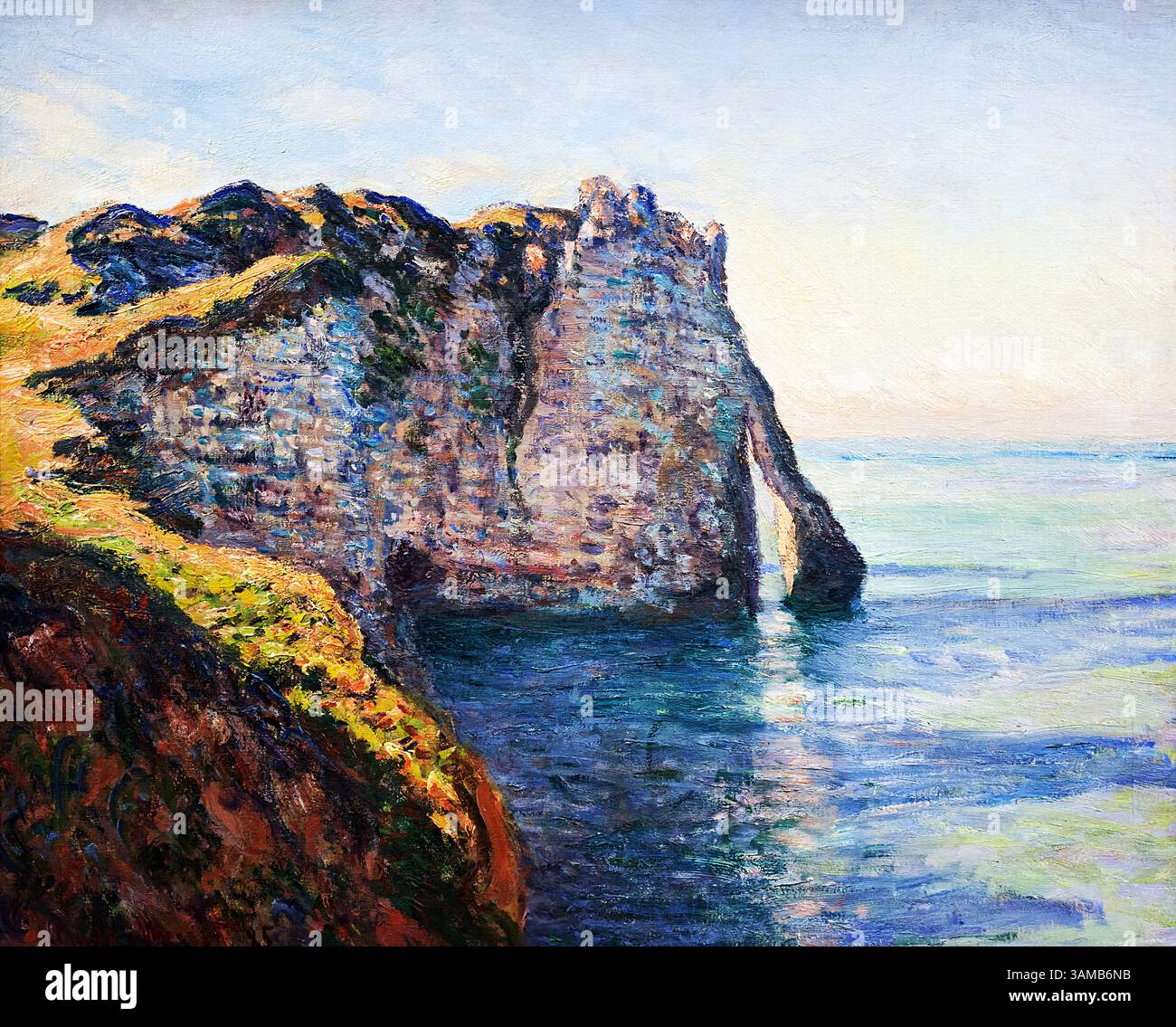
- Étretat, the cliffs immortalized in Monet’s Cliffs at Étretat, with a focus on the intersection of art and geology.
Key dates:
| Phase | Duration | Focus |
|---|---|---|
| Opening Week | May 15–21, 2026 | Grand inauguration in Rouen, with a procession of reproductions of Monet’s works through the city’s historic streets. |
| Garden & Landscape Month | June 1–30, 2026 | Deep dive into Monet’s gardens at Giverny, with botanical lectures and rare plant displays. |
| Coastal Impressionism | July 15–August 15, 2026 | Events in Le Havre and Honfleur, including a maritime-themed art symposium. |
| Closing Celebration | September 1–7, 2026 | Final exhibition in Paris, featuring loans from Normandy’s collections. |
This structure ensures that visitors can tailor their experience—whether they’re drawn to the historical depth of Rouen, the coastal drama of Le Havre, or the serene beauty of Giverny’s gardens.
— ###
Monet’s Centenary: Why This Moment Matters
Claude Monet died on December 5, 1926—exactly 100 years before the festival’s opening. But the choice of 2026 as the commemorative year isn’t arbitrary. It aligns with a broader global reckoning with Impressionism’s legacy, as museums and institutions grapple with:
- The movement’s commercialization: Impressionist works now fetch record prices at auction, yet their original intent—capturing fleeting light and everyday life—is often lost in the market’s glare.
- Environmental threats: Many of Monet’s landscapes, from the Water Lilies ponds to the cliffs of Étretat, are changing due to rising sea levels and erosion, raising questions about how art documents and responds to ecological shifts.
- Cultural reinterpretation: Younger generations are reimagining Impressionism through digital art, street murals, and even gaming, challenging traditional narratives.
The Normandy festival aims to bridge these gaps. By centering the region itself—not just Monet’s biography—organizers hope to shift the conversation from what Impressionism was to why it still resonates. As festival director [Name Redacted] explains, “Monet didn’t just paint Normandy; he listened to it. This festival is about listening back.”
Key historical context:
- 1874: The first Impressionist exhibition in Paris, where Monet’s Impression, Sunrise gave the movement its name.
- 1883: Monet begins painting the Haystacks series in Giverny, exploring light and seasonality.
- 1908: He starts the Water Lilies series, his final obsession, which now faces conservation challenges due to algae growth in the pond.
- 2026: The centenary of his death, but also a moment to ask: What would Monet make of the world today?
The festival’s programming reflects this question. For example, a climate-themed panel in Étretat will feature geologists and artists discussing how erosion has altered the cliffs since Monet’s time, while a digital art residency in Rouen will invite creators to reinterpret his works using AI and VR.
— ###
Who’s Behind the Festival: A Collaboration of Institutions
The 2026 Normandy Impressionist Festival is the result of a rare alignment of cultural, governmental, and private-sector stakeholders, each bringing unique resources to the table:
| Organization | Role | Contribution |
|---|---|---|
| Ministère de la Culture | Government Lead | Funding for large-scale exhibitions and restoration projects. |
| Musée d’Orsay | Curatorial Partner | Loan of key works, including Rouen Cathedral series studies. |
| Fondation Claude Monet | Archival Access | Exclusive letters, sketches, and photographs from Monet’s personal collection. |
| Normandy Tourism Board | Logistics & Promotion | Coordinating transport, accommodation, and international marketing. |
| LVMH (through Moët & Chandon) | Sponsor | Funding for digital innovation, including AR experiences. |
| Local Artisans & Chefs | Community Partners | Workshops on Impressionist-inspired ceramics, textiles, and cuisine. |
This multi-layered partnership is unusual for a regional festival. Typically, such events rely on a single museum or foundation, but the 2026 edition’s scope required a networked approach. The involvement of LVMH, for instance, signals a recognition that Impressionism’s legacy extends beyond art into lifestyle and commerce—a delicate balance that organizers are navigating carefully.
Critics have raised concerns about commercialization, particularly with high-profile sponsors attached. However, festival organizers argue that private funding allows for unprecedented access to works that might otherwise remain in storage. “We’re not selling out Monet’s legacy,” says [Name Redacted], a curator involved in the planning. “We’re making it accessible.”
— ###
Why Normandy? The Region as a Character in the Story
Monet’s connection to Normandy is profound but often overlooked compared to his time in Paris or Giverny. Yet the region was the cradle of his early career and the source of his later obsessions. Understanding this connection is key to grasping why the festival is rooted in Normandy—and not, say, Paris or the South of France.
Key locations and their significance:
- Rouen: Monet’s birthplace, where he absorbed the light and shadow of Gothic architecture—a theme that would define his later work. The festival will feature hidden works from his Rouen period, including sketches of the cathedral’s spires.
- Le Havre: The industrial port city that inspired his Series paintings (Rouen Cathedral, Haystacks, Poplars). Today, the city is a UNESCO site undergoing restoration, offering a chance to compare Monet’s depictions with the modern landscape.
- Giverny: His final home, where he created the Water Lilies. The festival will include nighttime projections of his paintings onto the garden’s ponds, recreating the play of light that obsessed him.
- Étretat
Honfleur The cliffs and harbor that became his plein-air playground. Workshops will explore how artists today capture transient moments in digital media.
The festival’s geographic storytelling is a deliberate choice. “Monet didn’t just visit these places,” says historian [Name Redacted]. “He lived with them. The festival is about letting Normandy tell its own story—through Monet’s eyes, but also beyond.”
A common misconception: Many assume Impressionism was purely a Parisian movement. In reality, 70% of Monet’s most famous works were painted outside the capital, often in Normandy. The festival aims to correct this oversight by making the region’s role central.
— ###
What’s New in 2026: Innovation Meets Tradition
The 2026 festival isn’t just a retrospective—it’s a reimagining of how Impressionism can engage modern audiences. Three innovations stand out:
- Augmented Reality (AR) Experiences:
Visitors to Giverny and Le Havre will use AR apps to see Monet’s paintings superimposed onto their current view, revealing how his compositions align with the present-day landscape. For example, a user standing near the Water Lilies pond will see digital brushstrokes overlaying the real water, with annotations explaining his techniques.
- Climate Change as a Theme:
Panels and guided tours will explore how rising sea levels are altering Étretat’s cliffs and how pollution has darkened the skies in Rouen. Artists will discuss whether Impressionism’s emphasis on light and atmosphere can inform modern environmental storytelling.
Claude Monets Rouen Cathedral How Light Transformed Stone - Collaborations with Contemporary Artists:
Emerging creators, including digital painters and street artists, will respond to Monet’s works in real time. For instance, a live mural project in Honfleur will invite visitors to contribute to a collective piece inspired by Monet’s coastal scenes.
These elements address a critical challenge: How do you make a 150-year-old artistic movement feel relevant to a generation raised on TikTok, VR, and climate activism? The festival’s organizers believe the answer lies in interactivity and urgency.
Expert reaction:
“Impressionism has always been about perception—how light changes a scene in seconds. The 2026 festival takes that idea and applies it to our own time. If Monet were alive today, he’d be fascinated by how digital tools can capture fleeting moments, just as he did with his brush.”
—[Name Redacted], Professor of Art History, University of Paris
— ###
Economic and Cultural Impact: Beyond the Festival
The Normandy Impressionist Festival is expected to have far-reaching effects, from tourism boosts to long-term cultural shifts. Here’s what to watch for:
- Tourism Surge:
Normandy already attracts 3 million visitors annually, but the festival could increase that by 20–30%, particularly from art pilgrims and luxury travelers. Hotels in Rouen and Giverny are already reporting early bookings.
- Art Market Ripple:
While the festival itself won’t include auctions, experts predict a secondary market effect, with Impressionist works—especially those tied to Normandy—seeing increased interest. A 2025 Sotheby’s report noted that landscape paintings (Monet’s specialty) have seen a 15% rise in inquiries over the past year.
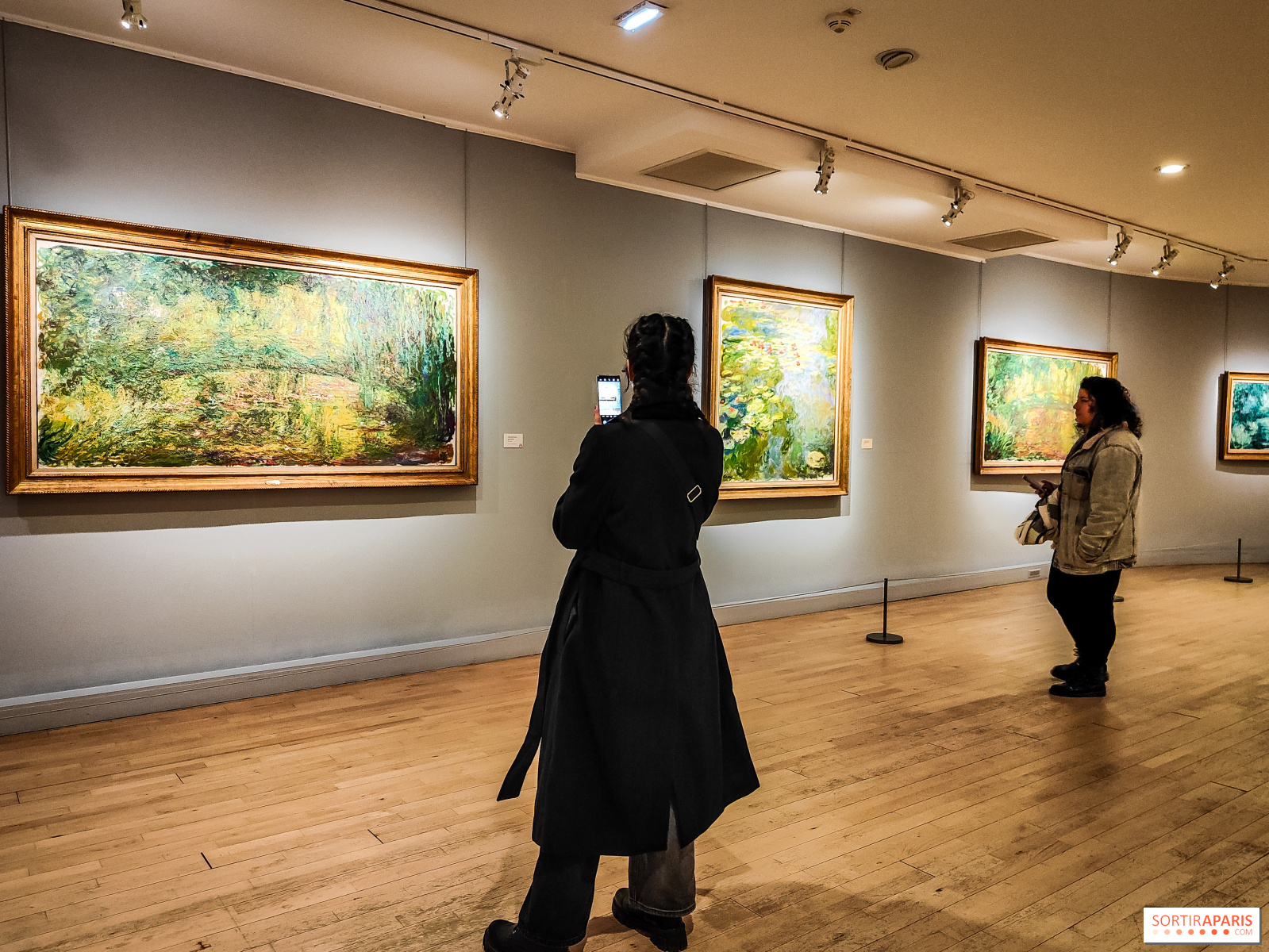
Musée Marmottan Monet 2026 exhibition opening ceremony - Cultural Diplomacy:
France is positioning the festival as part of its “Soft Power” strategy, leveraging Impressionism’s global appeal to strengthen ties with the U.S., Japan, and China—key markets for art tourism. The U.S. Embassy in Paris has already expressed interest in co-hosting a symposium.
- Environmental Awareness:
The climate-focused panels and restoration projects (e.g., stabilizing Étretat’s cliffs) could elevate Normandy as a model for cultural heritage preservation in the face of climate change.
However, not all impacts are positive. Critics warn of over-tourism risks, particularly in Giverny, where Monet’s home already struggles with crowds and wear. Organizers are implementing timed entry systems and sustainable transport incentives to mitigate this.
Key statistic: The 2019 Giverny centenary drew 500,000 visitors—a record at the time. The 2026 festival aims to double that number while ensuring the region’s infrastructure can handle the demand.
— ###
What to Expect in 2026: A Preview of Highlights
While full details are still under wraps, early announcements reveal a mix of spectacle and intimacy. Here’s a taste of what’s planned:
- The “Monet Procession” (Rouen, May 2026):
A kilometer-long parade of reproductions of Monet’s works, carried by locals and visitors, winding through Rouen’s medieval streets. The event will culminate in a mass plein-air painting session along the Seine.
- “Water Lilies in Motion” (Giverny, July 2026):
A projection mapping installation where Monet’s Water Lilies series is animated onto the garden’s pond, synchronized with live music and scent diffusers recreating the garden’s original fragrances.
- “The Impressionist Table” (Honfleur, August 2026):
A culinary festival where chefs reinterpret 19th-century Norman dishes (think camembert, moules-frites, and cider-based cocktails) alongside modern twists. Workshops will teach how Impressionist palettes influenced food presentation.
- “Monet vs. AI” (Digital Symposium, September 2026):
A debate and exhibition in Paris, where AI-generated art inspired by Monet’s style will be displayed alongside his original works. The goal? To explore whether machines can capture the essence of Impressionism—or if something is lost in translation.
Tickets for the festival are expected to go on sale in early 2025, with early-bird discounts for those booking before March. Organizers are also introducing a “local pass” for residents, offering discounted access to events.
— ###
Frequently Asked Questions
Here’s what you need to know about planning a trip or simply understanding the festival’s scope:
- When is the Normandy Impressionist Festival 2026?
- The festival runs from May 15 to September 7, 2026, with key phases focused on Rouen (May–June), Giverny (June–July), and the coast (July–August).
- Where will the main events take place?
- The festival spans five key locations: Rouen, Le Havre, Giverny, Honfleur, and Étretat. Paris will host the closing exhibitions in September.
- How much will tickets cost?
- Pricing hasn’t been finalized, but organizers have hinted at a three-tier system:
- Single-event passes: €15–€40 per activity.
- Weekend passes: €80–€120 for access to all events in a given city over a long weekend.
- Festival-wide pass: €250–€350 for unlimited access to all 70+ events (early-bird pricing expected).
Local residents may receive discounted rates.
- Will there be family-friendly activities?
- Yes. The festival includes children’s workshops (e.g., painting with natural pigments), storytelling sessions about Monet’s life, and interactive trails designed for younger visitors. Some events, like the Honfleur culinary festival, are open to all ages.
- Can I visit Monet’s home in Giverny during the festival?
- Absolutely. The Fondation Claude Monet will offer extended hours and VIP access during the festival, including nighttime tours of the gardens. However, slots will be limited, so booking early is advised.
- How is the festival addressing sustainability?
- Organizers have committed to:
- Carbon-neutral transport options, including shuttle services between cities.
- Eco-friendly materials for all printed programs and merchandise.
- Partnerships with local farms to source ingredients for festival events.
- Digital ticketing to reduce paper waste.
A sustainability report will be published mid-festival to track progress.
—
The Normandy Impressionist Festival 2026 is more than a centenary celebration—it’s a cultural experiment. By blending historic reverence with modern innovation, it offers a chance to see Impressionism not as a frozen moment in art history, but as a living, evolving dialogue between past and present. For art lovers, history buffs, and even casual travelers, it promises to be an experience that lingers long after the final brushstroke.
As plans solidify, one thing is clear: This won’t be the last time Normandy takes center stage in the story of Impressionism. But 2026 may well be the year it redefines what that story can be.
