
The geopolitical drama unfolding in the Middle East isn’t just reshaping global politics—it’s also sending shockwaves through the cultural and creative industries, where tensions between nations often mirror the conflicts in their films, music, and media.
Iran’s decision to halt peace negotiations with the United States over escalating violence in Lebanon marks a critical turning point in a conflict that has already left its mark on Hollywood productions, international collaborations, and even music festivals. The move, announced amid heightened military rhetoric, underscores how deeply entertainment and diplomacy are intertwined when nations are at odds.
The Breaking Point: Lebanon as the Flashpoint
According to public statements, Iran has made clear that any potential agreement with Washington is now contingent on an immediate ceasefire in Lebanon. The condition reflects a hardening stance from Tehran, where a senior military official recently described a resumption of hostilities with the U.S. As “inevitable”, framing the pause in talks as a tactical maneuver rather than a retreat.
The timing couldn’t be more charged. Just days earlier, Iran had suspended negotiations entirely after a series of cross-border attacks in Lebanon, where proxy forces aligned with Tehran have clashed with Israeli-backed factions. The escalation has forced Hollywood studios and international arts organizations to reassess projects involving Iranian talent, funding, or settings—particularly those with ties to the U.S. Or Israel.
Why This Matters Beyond the Headlines
The entertainment industry has long been a barometer for diplomatic thawing or friction. In 2022, for instance, Iranian filmmakers faced visa denials for festivals in the U.S. And Europe, while American productions set in the region had to navigate censorship concerns. Now, with negotiations stalled, the ripple effects are already visible:
- Film and TV: Projects involving Iranian crews or locations may face delays, as studios weigh the risks of operating in a region where military action could disrupt production.
- Music: Iranian artists collaborating with Western labels or performing at international festivals—like last year’s canceled appearances by Tehran-based musicians—may see their opportunities further restricted.
- Cultural Exchange: Programs promoting Middle Eastern cinema or music in the West, often funded by diplomatic grants, could be paused or scaled back.
Even the awards landscape is feeling the tension. Iranian films that once competed in major festivals or Oscar-qualifying slots may now find their paths blocked, while Hollywood’s portrayal of the region—already a sensitive topic—could face renewed scrutiny over accuracy and bias.
A Military Mindset Spills Into Creative Spaces
The Iranian military’s unyielding stance, as articulated by the unnamed official, signals that cultural diplomacy is now subordinate to security priorities. In a statement that reads like a script from a Cold War thriller, the official framed the pause in talks as a calculated response to what they describe as “unacceptable provocations” in Lebanon.
This isn’t the first time entertainment has become collateral in geopolitical conflicts. During the 2015 Iran nuclear deal negotiations, for example, Hollywood studios quietly pulled back on projects involving Iranian state media, fearing backlash. Now, with negotiations at a standstill, the industry braces for a repeat—though this time, the stakes feel higher.
What’s Next?
For now, the immediate future hinges on two fronts:
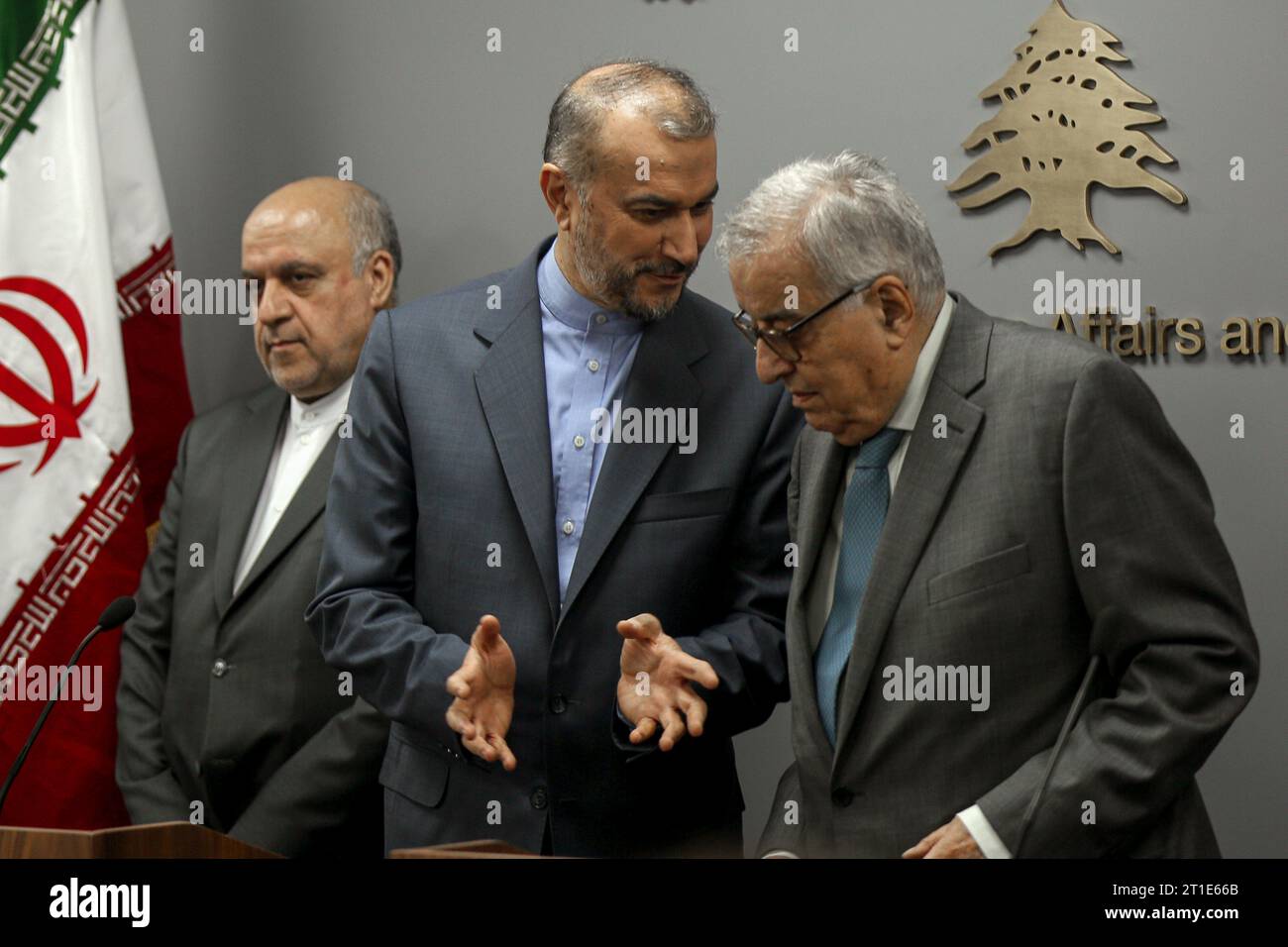
- Lebanon’s Stability: If violence in Lebanon continues unchecked, Iran has made it clear it will not return to the table. The U.S. Has not yet responded to Tehran’s latest demand, leaving the door open for further escalation.
- Industry Adaptations: Studios and artists are likely to adopt a “wait-and-see” approach, with some projects on hold until the diplomatic climate clarifies. Iranian talent may seek alternative platforms—such as regional festivals or digital streaming—to bypass restrictions.
The entertainment world, like the rest of us, is watching closely. What was once a backdrop for storytelling is now the stage on which the next act of this conflict may play out.
