
Renewed Speculation Over Use of Body Doubles by Russian President
Claims that Vladimir Putin utilizes body doubles to maintain his public image and security have resurfaced following a perceived verbal slip during a recent appearance. The incident has reignited a long-standing discourse among observers and analysts regarding the authenticity of the Russian leader’s public engagements.
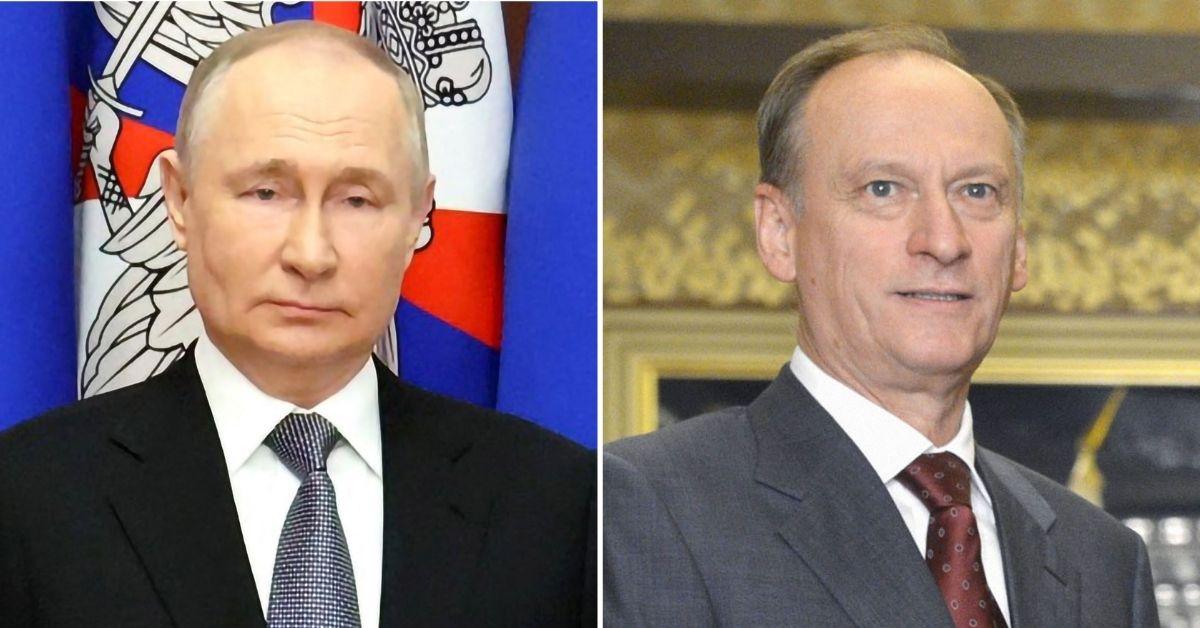
Discrepancies Sparking Debate
The latest wave of speculation was triggered by what some observers describe as a slip of the tongue
and subtle behavioral inconsistencies. These anomalies, according to local media reports, have led some to argue that the individual appearing in public may not be the actual president, but rather a highly trained look-alike.
Those promoting the theory point to variations in speech patterns, facial expressions, and physical demeanor as evidence. While these claims remain unverified, they have gained traction across social media and among certain geopolitical analysts who monitor the inner workings of the Kremlin.
The Context of Kremlin Opacity
The narrative of the double
is not a new phenomenon in Russian politics. Historically, rumors regarding the use of decoys have surfaced periodically, often coinciding with periods of heightened international tension or absences from the public eye. Such theories typically emerge from the inherent secrecy surrounding the Russian presidency and the rigorous security protocols implemented to protect the head of state.
Analysts suggest that the persistence of these rumors reflects a broader curiosity—and often a suspicion—regarding the health and stability of the Russian leadership. In an environment where official information is tightly controlled, minor discrepancies in public appearances are often scrutinized for deeper political meaning.
Implications of the Narrative
While the Kremlin has historically dismissed such claims as baseless, the recurring nature of these accusations highlights the psychological warfare and information volatility surrounding the conflict in Ukraine and Russia’s relationship with the West. The idea that a leader might be replaced by a double often serves as a proxy for discussions about leadership viability and internal power struggles within the Russian government.
