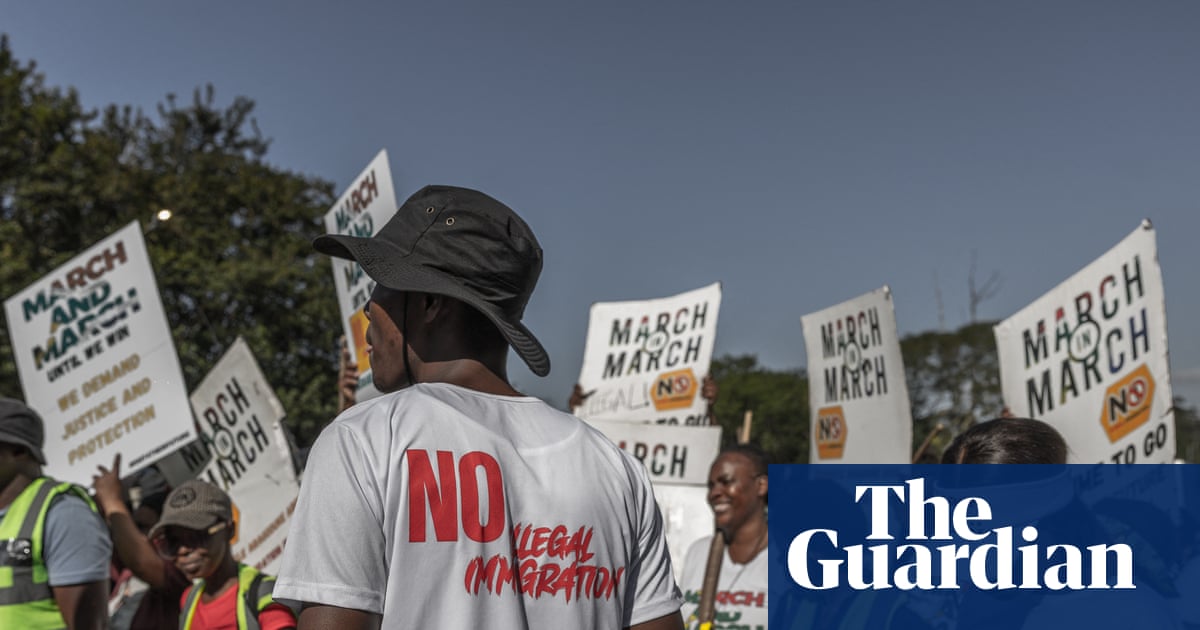
Five Mozambican Nationals Reportedly Killed in Xenophobic Attacks in South Africa: A Regional Crisis Unfolds
Recent reports of violence targeting foreign nationals in South Africa have sparked international concern, with Mozambique alleging that five of its citizens were killed in what authorities describe as xenophobic attacks. The incident has reignited debates about immigration policies, social tensions, and the broader implications for regional stability. While details remain murky, the event underscores the complex interplay between economic hardship, political rhetoric, and cross-border relations in southern Africa.
What Happened? A Timeline of the Incident
The alleged attacks occurred in the Western Cape province of South Africa, a region that has historically experienced periodic outbreaks of anti-immigrant violence. According to Mozambican officials, the five victims were reportedly killed in late 2023, though the exact date and location have not been officially disclosed. Local media outlets in South Africa initially reported the deaths, but authorities in the Western Cape have since denied the claims, citing a lack of evidence to substantiate the allegations.
The incident is part of a broader pattern of xenophobic violence that has plagued South Africa for years. Notable episodes include the 2019 attacks in Johannesburg and the 2015 riots in Cape Town, which left dozens dead and thousands displaced. These events often occur during periods of economic downturn, when competition for jobs and resources intensifies, and political leaders occasionally stoke anti-immigrant sentiment to divert public attention from domestic challenges.
The Role of Economic and Social Factors
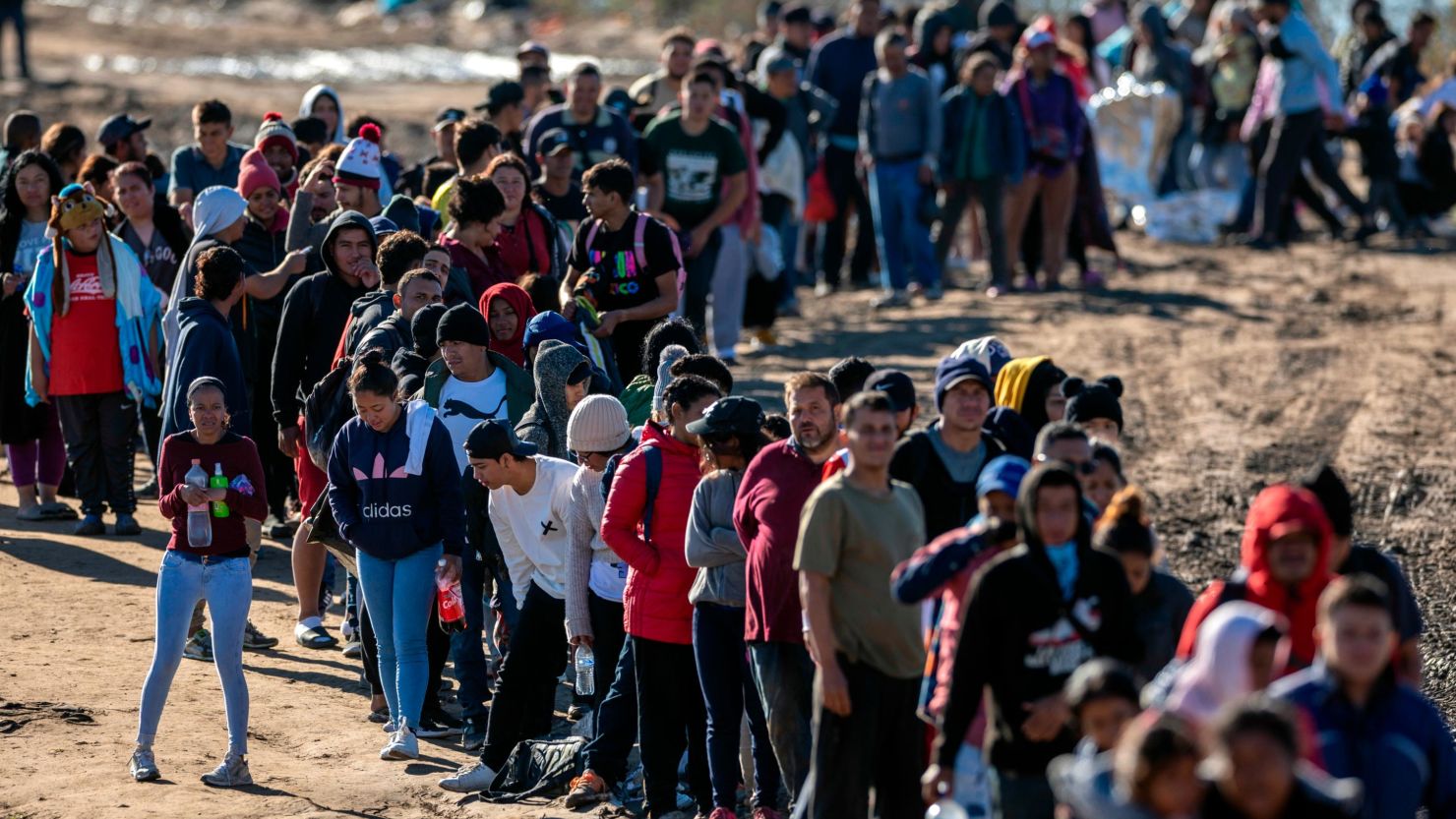
Experts point to several factors that contribute to xenophobic violence in South Africa. The country’s unemployment rate, which exceeds 30% in some regions, creates a fertile ground for resentment toward foreign nationals, who are often perceived as taking jobs or resources. The influx of migrants from neighboring countries, including Mozambique, Zimbabwe, and Malawi, has been a contentious issue, with some South Africans blaming immigrants for rising crime rates and social unrest.
“Economic instability and inequality are at the heart of these conflicts,” says Dr. Thandiwe Mbeki, a political analyst at the University of Cape Town. “When people feel their livelihoods are threatened, they often look for scapegoats. Migrants, particularly from neighboring countries, become targets of this frustration.”
Who Is Involved? Key Stakeholders and Responses
The primary stakeholders in this incident include the governments of South Africa and Mozambique, local communities in the Western Cape, and international organizations monitoring human rights. South Africa’s Department of Home Affairs has yet to issue a formal statement on the matter, while Mozambique’s Ministry of Foreign Affairs has called for an investigation into the alleged attacks.
The Western Cape Provincial Government has dismissed the reports of Mozambican nationals being killed, claiming that no bodies have been found or officially registered. “We have not received any credible information to support these claims,” a spokesperson said. This denial has fueled accusations of bureaucratic inertia, with critics arguing that authorities are failing to protect vulnerable migrant communities.
Regional Implications and Diplomatic Tensions
The incident has strained relations between South Africa and its neighbors, particularly Mozambique. The two countries share a long border and have close economic ties, but historical tensions over migration and resource allocation have occasionally led to friction. Mozambique has repeatedly called on South Africa to address xenophobic violence, warning that such incidents could deter cross-border trade and investment.
Regional bodies like the Southern African Development Community (SADC) have also weighed in, urging member states to adopt measures to protect migrant workers and foster social cohesion. “Xenophobia is not just a South African issue—it affects the entire region,” said SADC Secretary-General Dr. Elias M. Mwambe. “We must work together to address the root causes of this violence and ensure the safety of all citizens, regardless of origin.”
Why It Matters: Broader Context and Long-Term Consequences
The alleged killings highlight the deep-seated challenges of managing migration in a region where economic disparities are stark. South Africa, as the continent’s most industrialized nation, attracts a large number of migrants seeking employment, but its ability to integrate these populations remains uneven. The lack of a unified regional migration policy exacerbates tensions, leaving many migrants in a legal limbo and vulnerable to exploitation.
From a human rights perspective, the incident raises concerns about the protection of foreign nationals in South Africa. International organizations such as the United Nations High Commissioner for Refugees (UNHCR) have criticized the country for its inconsistent enforcement of anti-discrimination laws and its failure to address systemic prejudice. “Xenophobic violence is a violation of fundamental human rights,” said UNHCR spokesperson Melissa Fleming. “Governments must take decisive action to prevent such tragedies and hold perpetrators accountable.”
Case Studies: Previous Incidents and Lessons Learned
Historical episodes of xenophobic violence in South Africa offer valuable insights into the current crisis. For example, the 2015 attacks in Cape Town resulted in over 60 deaths and widespread displacement, prompting international condemnation and calls for reform. Despite subsequent efforts to strengthen immigration policies and community dialogue, similar incidents have persisted, indicating that deeper structural issues remain unaddressed.
One key lesson from these events is the importance of addressing both the symptoms and root causes of xenophobia. While emergency response measures—such as deploying police and offering temporary shelter to victims—are essential, long-term solutions require investment in education, job creation, and cross-cultural initiatives. “We need to change the narrative around migration,” says Dr. Sipho Mthembu, a sociologist at Stellenbosch University. “Migrants are not the enemy; they are part of the solution to our economic challenges.”
Reactions and Expert Analysis: A Divided Response
The incident has elicited a range of reactions from civil society, academics, and activists. Some South African groups have condemned the violence, emphasizing the need for unity and mutual respect. Others, however, have echoed the sentiments of anti-immigrant factions, blaming foreign nationals for the country’s economic woes. This divide reflects broader societal tensions that have been exacerbated by political polarization and media narratives.
International observers have also weighed in, with some calling for increased pressure
