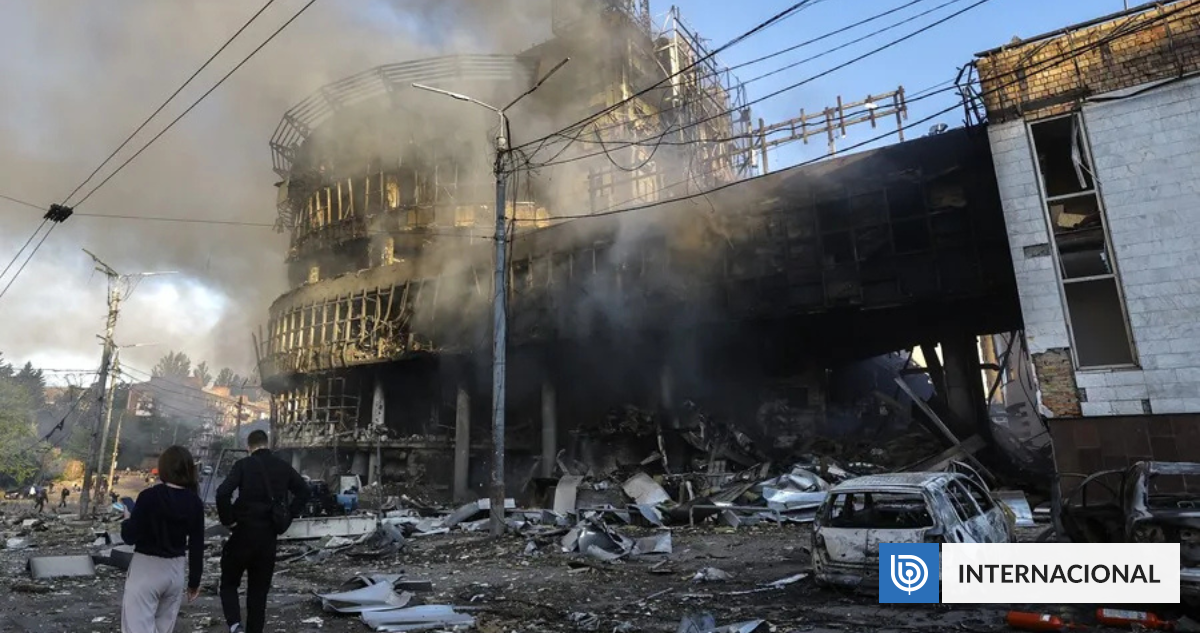
When the lights flicker out in Kyiv, it’s not just a power failure—it’s a reminder that war has become the backdrop to everyday life, even for those who once gathered in theaters, concert halls, and cafes to escape it. This week’s Russian drone and missile barrage, one of the largest in months, killed at least 18 people and wounded more than 100 across Ukraine’s major cities, turning what should have been a night of quiet into a scene of devastation that mirrors the grim reality of a country under siege.
The attack, launched overnight, saw Russia deploy 656 drones and 73 missiles in a coordinated strike that targeted Kyiv, Dnipro, and Kharkiv. The scale of the assault—reportedly the most significant since the conflict escalated—has left residents scrambling for shelter and emergency responders racing to pull survivors from collapsed buildings. Among the dead was an eight-year-old boy and a woman killed in a strike on an apartment block, their lives cut short in an instant. The toll, while horrific, is part of a pattern: Ukraine has endured relentless airstrikes for years, but the sheer volume of this latest assault has reignited global outrage and underscored the brutal calculus of modern warfare.
The Cultural Cost of War
Ukraine’s entertainment industry, once a vibrant hub for film, music, and theater, has been forced to adapt—or disappear. Cinemas in Kyiv now double as bomb shelters; musicians perform for soldiers on the front lines; and filmmakers document the war’s impact in real time. The latest strikes hit not just residential areas but also cultural landmarks, including theaters and studios that once thrived under Ukraine’s creative energy. For artists and audiences alike, the question isn’t just survival—it’s how to preserve culture when the incredibly fabric of daily life is under attack.

In the wake of the assault, social media has become a battleground for both grief and defiance. Clips of Ukrainian air defenses downing drones over Kyiv have gone viral, a stark contrast to the devastation on the ground. One video, shared widely by local media, shows a missile striking an apartment building in slow motion, the explosion illuminating the night sky before the screen cuts to black. The raw footage serves as a stark reminder: in Ukraine, entertainment and war are no longer separate realms. They are intertwined, each shaping the other in ways that resonate far beyond the country’s borders.
The attack also highlights the broader geopolitical stakes. Russia’s use of drones—often described as “cheap and effective” by military analysts—has become a signature of its strategy, forcing Ukraine to rely on Western aid for air defense systems. Meanwhile, the international community watches as the war’s cultural toll mounts. From canceled festivals to displaced artists, the human cost extends far beyond the battlefield.
What’s Next for Ukraine’s Creative Community
For now, the focus remains on rescue and recovery. But the long-term question lingers: Can Ukraine’s entertainment industry recover from this relentless assault? The answer may lie in resilience. Ukrainian filmmakers have already begun documenting the war’s impact, with some projects gaining international acclaim despite the chaos. Musicians, too, have found ways to perform—whether through livestreams from safe zones or impromptu concerts for troops. The country’s creative spirit, it seems, is as indomitable as its people.
As the world reacts to the latest strikes, one thing is clear: Ukraine’s story is no longer just a geopolitical headline. It’s a cultural tragedy unfolding in real time, one that demands attention not just from policymakers, but from audiences who once flocked to Ukrainian films, music, and art. The question now is whether the rest of the world will listen—or if the lights will keep flickering out, leaving the country’s creative voice in the dark.
