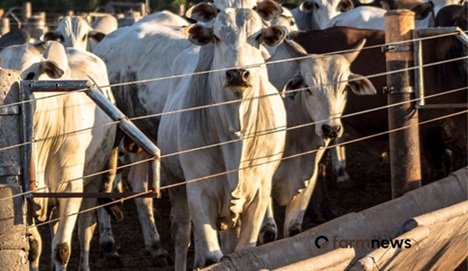
Brazil’s cattle market opened June with a sharp divergence from May’s sluggish trading, as the price of live cattle—known locally as the boi gordo—rose at the start of the month after weeks of stagnation. The shift reflects tightening supply conditions and shifting demand dynamics that could reshape profit margins for ranchers and meatpackers in the coming weeks.
The boi gordo price, which had hovered near stability through late May with limited transactions, climbed at the beginning of June, according to multiple agricultural market reports. While exact figures vary by region, sources indicate the increase marks a notable turnaround from the previous month, when volumes remained subdued and prices showed little movement.
Why Prices Are Rising—and What It Means for Producers
Several factors are driving the uptick. First, supply constraints are tightening: drought conditions in key cattle-producing states have reduced pasture availability, slowing herd expansion and pushing ranchers to sell livestock sooner than planned. Meanwhile, demand from domestic meatpackers and exporters remains firm, particularly for higher-quality cuts destined for international markets.
Analysts note that the price movement also reflects seasonal trends. June typically sees increased slaughter activity ahead of the year’s peak demand periods, including holiday seasons in Brazil and abroad. However, the recent stability in May—with fewer transactions and little price movement—suggested a period of consolidation before the market adjusted.
For ranchers, the price rise offers a rare reprieve after months of squeezed margins. The arroba (a unit of measurement equivalent to 15 kilograms or about 33 pounds of live cattle) had settled into a narrow trading band in late May, with little volatility. Now, the upward shift could signal improved profitability for smaller producers, though larger operations with secured contracts may see limited direct impact.
The Numbers Behind the Shift
While precise June figures are still emerging, market participants point to several benchmarks:
- Late-May Stability: Prices for the boi gordo remained largely unchanged in late May, with trading volumes below historical averages, according to agricultural market reports.
- June Jump: The opening of June brought a clear upward move, with prices rising at the start of the month—though exact percentages vary by region and auction.
- Regional Variations: Southern Brazil, a major cattle-producing hub, has seen more pronounced price increases compared to northern regions, where supply remains relatively abundant.
The arroba price, which had closed May at levels near R$350–R$360 (approximately $70–$72), appears to have gained traction in early June, though exact figures depend on the specific auction or sales channel. For context, the arroba is a critical metric for Brazil’s livestock sector, influencing everything from feed costs to export competitiveness.
What’s Next for Cattle Producers?
Looking ahead, ranchers will watch three key developments:

- Weather Patterns: Persistent drought could further limit grazing land, pushing more cattle to market and potentially keeping prices elevated.
- Export Demand: Brazil’s beef exports, particularly to China and the Middle East, remain a wildcard. Any slowdown in shipments could ease pressure on domestic prices.
- Feed Costs: Rising grain prices—driven by global supply chain issues—could offset some of the benefits of higher cattle prices for producers.
For meatpackers, the price movement adds complexity. While higher cattle prices improve margins for processors selling to premium markets, they also increase costs for producers relying on domestic sales. The sector’s ability to pass these costs along to consumers will depend on inflation trends and consumer spending power.
In the short term, the June rally offers a temporary boost for Brazil’s cattle industry, but producers face a delicate balancing act: capitalizing on higher prices while managing the risks of tighter supply and rising input costs.
