
Indonesia Faces Record Cyberattacks in 2025: Government Implements Stricter Digital Safeguards
Indonesia has experienced an unprecedented surge in cyber threats this year, with over 5.5 billion reported cyberattacks documented in 2025. The scale of the incidents has prompted the nation’s leadership to implement urgent measures aimed at fortifying digital infrastructure and protecting critical systems. This development underscores the growing vulnerability of emerging economies to sophisticated cyber operations, while also highlighting the challenges of balancing technological advancement with security resilience.
The Scope of the Cybersecurity Crisis
The reported 5.5 billion cyberattacks represent a sharp escalation from previous years, with analysts attributing the surge to a combination of factors. These include the rapid expansion of Indonesia’s digital economy, increased reliance on cloud-based services, and the proliferation of interconnected smart devices. The attacks spanned multiple sectors, with financial institutions, government networks, and private enterprises emerging as primary targets.
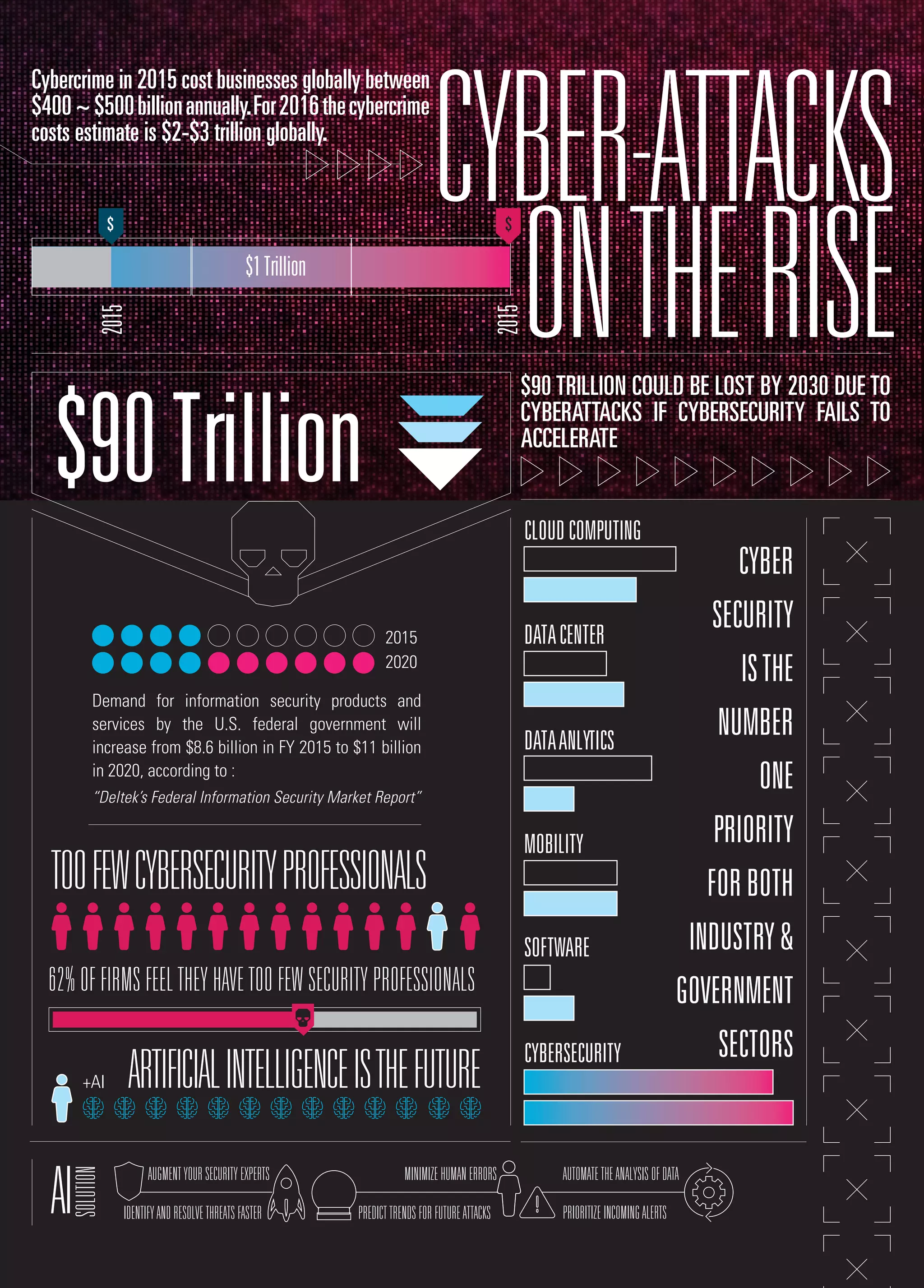
According to cybersecurity experts, the majority of these threats originated from state-sponsored groups and organized cybercriminal networks. The methods employed ranged from phishing schemes and ransomware deployments to advanced persistent threats (APTs) designed to exfiltrate sensitive data. Notably, the attacks coincided with a period of heightened geopolitical tensions, raising concerns about potential links to foreign actors seeking to exploit Indonesia’s digital infrastructure.
Key Sectors Affected
- Financial Services: Banks and fintech platforms reported a 300% increase in attempted breaches, with several high-profile incidents involving unauthorized access to customer accounts.
- Government Agencies: Critical departments, including those managing energy grids and public health records, faced coordinated intrusions that disrupted operations temporarily.
- Private Industry: Multinational corporations operating in Indonesia experienced data leaks, impacting both domestic and international stakeholders.
Government Response and Policy Measures
In response to the crisis, the Indonesian government has announced a series of measures aimed at bolstering national cybersecurity. These initiatives include the establishment of a centralized cyber defense unit, increased funding for digital security research, and mandatory compliance standards for businesses handling sensitive data.
A key component of the strategy involves collaboration with international cybersecurity organizations. The Ministry of Communication and Information Technology has partnered with entities such as the Global Cybersecurity Alliance to share threat intelligence and adopt best practices. The government has launched public awareness campaigns to educate citizens on recognizing and mitigating cyber risks.
New Regulatory Frameworks
The revised Cybersecurity Law, enacted in early 2025, introduces stricter penalties for cybercrimes and mandates real-time monitoring of online activities by licensed service providers. Critics argue that the legislation may infringe on digital privacy rights, while supporters emphasize its necessity in combating the rising threat landscape.

Context and Broader Implications
The cyberattack surge in Indonesia reflects a global trend of increasing digital insecurity, particularly in regions undergoing rapid technological transition. Analysts note that the country’s growing middle class and expanding internet penetration have created a larger attack surface for malicious actors. The lack of standardized cybersecurity protocols among small and medium-sized enterprises (SMEs) has left significant vulnerabilities in the national digital ecosystem.
The situation also highlights the geopolitical dimensions of cyber warfare. Experts suggest that Indonesia’s strategic location in Southeast Asia makes it a potential target for foreign adversaries seeking to disrupt regional stability. The government’s emphasis on strengthening partnerships with Western allies and regional blocs like ASEAN underscores the diplomatic challenges of addressing cyber threats in a multipolar world.
Economic and Social Impact
The economic ramifications of the attacks are substantial. A recent study by the Indonesian Institute of Sciences estimated that the cyber incidents cost the economy over $12 billion in 2025, with losses stemming from operational downtime, data recovery expenses, and reputational damage. The social impact is equally significant, as public trust in digital services has declined, prompting some users to revert to traditional, less secure methods of transaction, and communication.
Expert Perspectives and Future Outlook
Cybersecurity professionals caution that the current measures, while necessary, may not be sufficient to address the evolving nature
