
Eurozone inflation has surged to its highest level in 32 months, defying expectations and raising fresh concerns about the European Central Bank’s ability to tame price pressures without stifling economic growth.
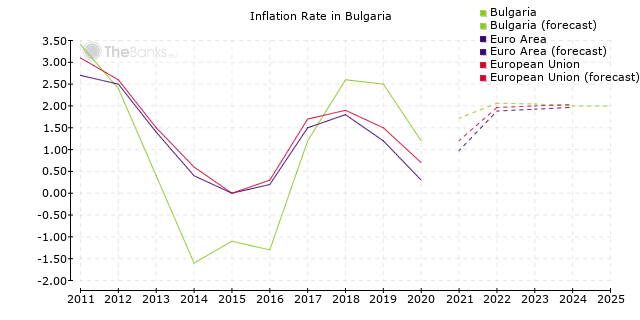
The official data, released Tuesday by Eurostat, the European Union’s statistical agency, shows consumer prices in the 27-nation bloc rose at a pace not seen since October 2023. Bulgaria, meanwhile, remains the outlier within the eurozone, with inflation still running hotter than any other member state.
Why the Numbers Matter
With inflation now above 3% for the first time since late 2023, the ECB faces a delicate balancing act. Markets had anticipated a slowdown in price growth following a year of aggressive interest rate hikes, but the latest figures suggest underlying inflationary pressures remain stubbornly elevated.
Key Points:
- Eurozone inflation: Highest since October 2023, marking the first time it has exceeded 3% in nearly three years.
- Bulgaria’s outlier status: Continues to report the highest inflation rate within the eurozone, according to recent public statements.
- ECB’s policy dilemma: The central bank must decide whether to maintain restrictive monetary conditions or risk reigniting inflationary expectations.
Market Reactions and Economic Implications
The data has sent ripples through financial markets, with investors recalibrating bets on the ECB’s next move. A prolonged period of elevated inflation could squeeze household budgets, particularly in countries like Bulgaria where price increases have been most pronounced.
For businesses, the outlook is mixed. While higher prices may benefit certain sectors—such as energy producers and importers—they could dampen consumer spending and weigh on corporate profitability in others. The ECB’s next policy decision, scheduled for later this month, will be critical in determining whether the inflationary trend stabilizes or worsens.
What’s Next for the ECB?
Eurostat’s figures come as the ECB prepares to assess whether its rate hikes have finally broken the inflation cycle. The central bank has signaled caution, emphasizing the need for further evidence before considering rate cuts. However, the persistence of high inflation may force policymakers to delay easing measures, prolonging the burden on borrowers and savers alike.
For now, the focus remains on the data. The next set of inflation figures, due in July, will be closely watched for signs of whether the current spike is a temporary blip or the beginning of a more sustained uptick.
