At least 930 people have died in Congo’s Ebola outbreak
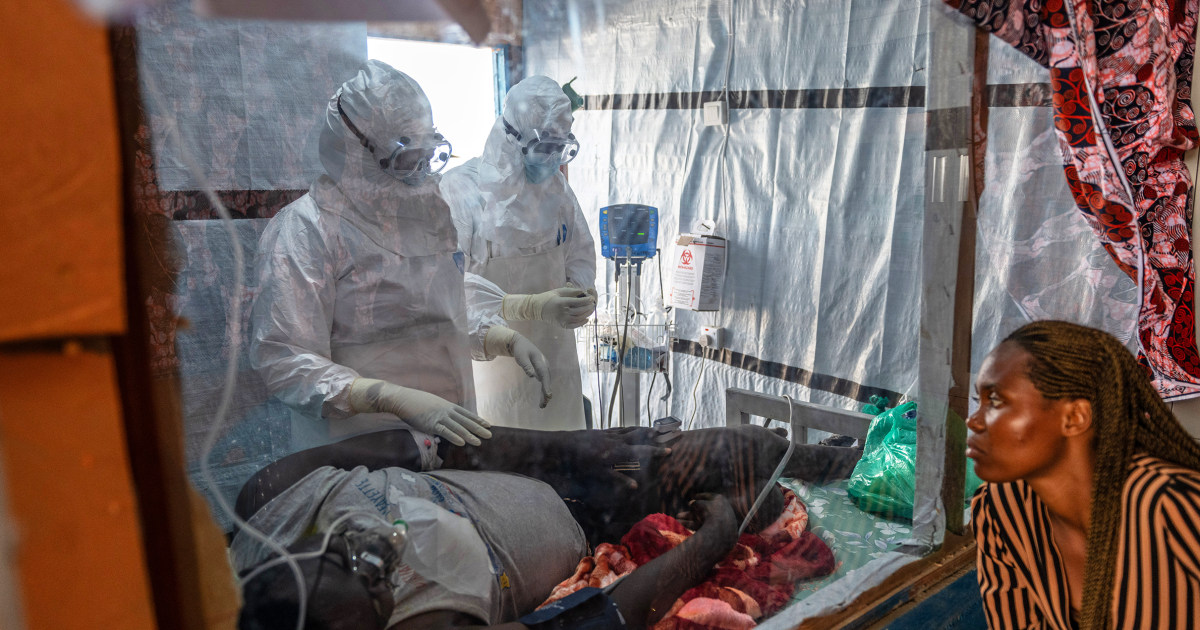
The Ebola epidemic in the Democratic Republic of the Congo has reached 930 fatalities, marking the fastest-growing outbreak of the Bundibugyo strain on record. Conflict and security concerns continue to hinder containment efforts across five provinces.
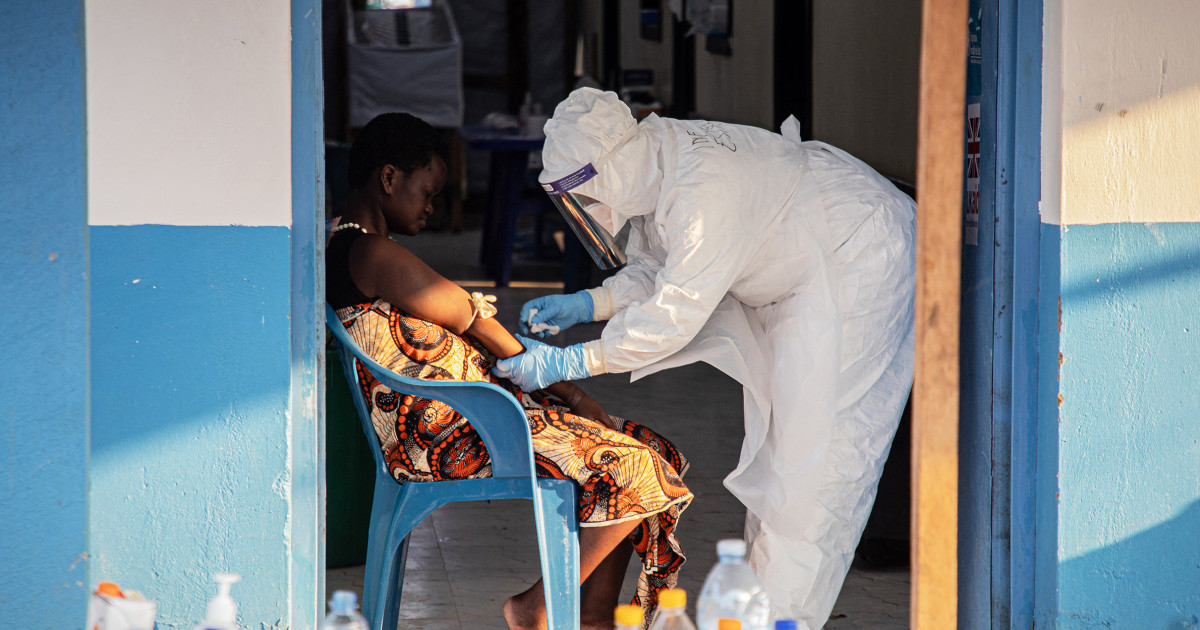
The Ebola epidemic in the Democratic Republic of the Congo has reached a grim threshold, with the national Ministry of Health confirming on Monday, 20 July 2026, that the death toll has climbed to at least 930 people. This surge in fatalities, which included 37 deaths reported in a single 24-hour window between Friday and Saturday, marks one of the deadliest phases since the outbreak began.
The health crisis, which was officially declared in the eastern province of Ituri on 15 May 2026, is now identified as the fastest-growing Ebola outbreak on record. According to data released by the Ministry of Health, the total number of confirmed cases has reached 2,344. As of Monday, 724 patients remained in hospitals or isolation facilities, while 22 new recoveries were recorded in that same 24-hour period. By 17 July, cases were reported across 46 health zones in five provinces: Ituri, North Kivu, South Kivu, Haut-Uélé, and Tshopo.
Related media

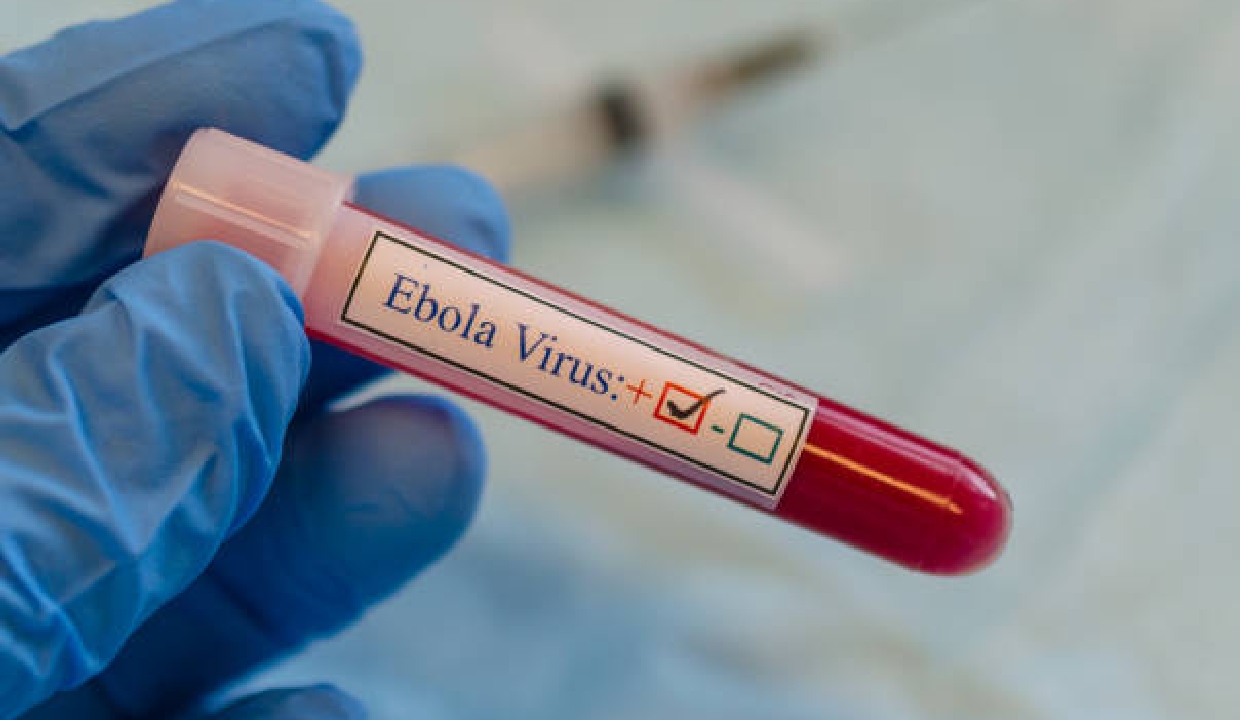
A Unique Viral Challenge
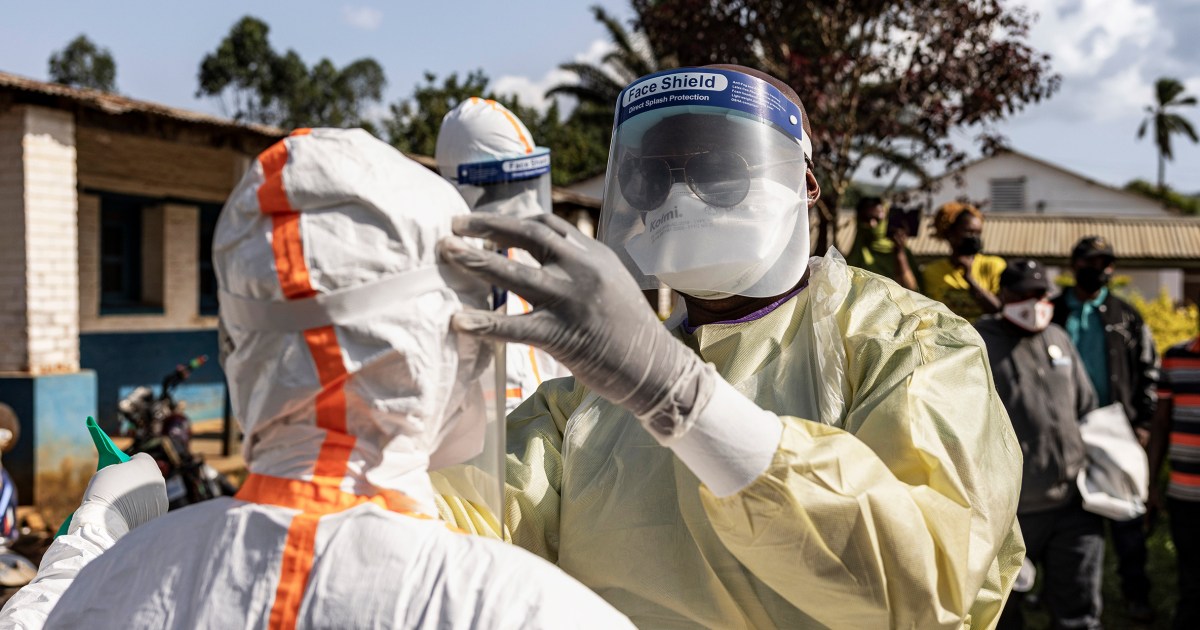
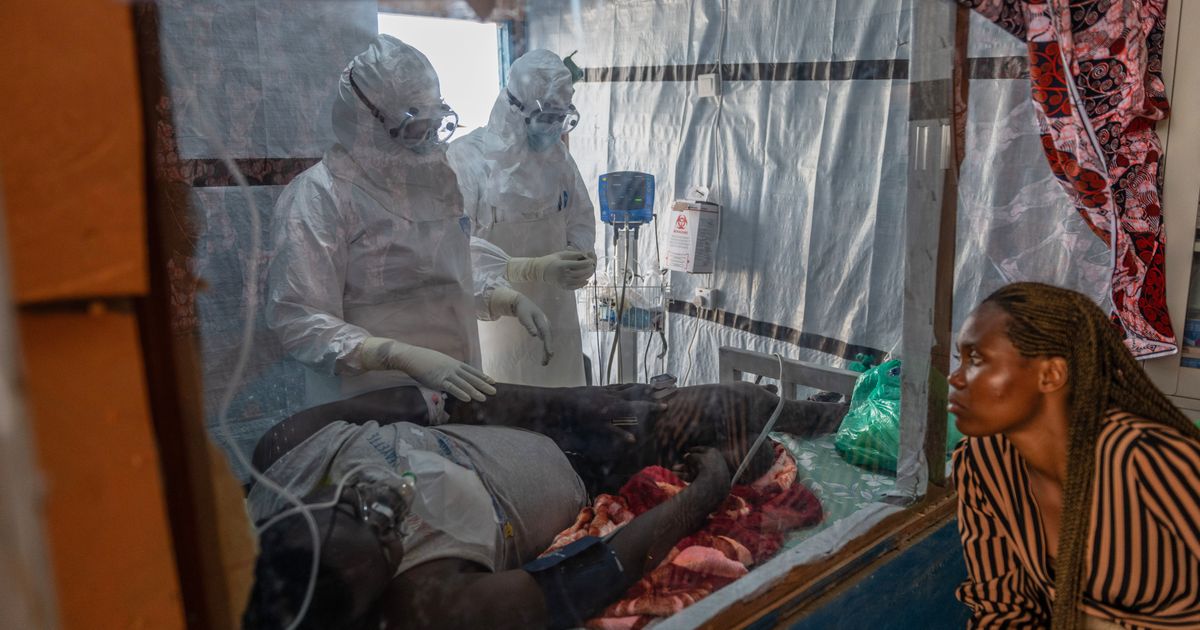
This emergency is driven by the Bundibugyo ebolavirus, a strain historically distinct from the Zaire ebolavirus responsible for previous regional crises. This distinction has severely complicated the medical response, as there is currently no approved vaccine or specific therapeutic treatment for the Bundibugyo species. While trials for the antiviral remdesivir and monoclonal antibody therapies MBP-134 and maftivimab began in July, health agencies acknowledge that response strategies must rely on traditional public health measures, including isolation, rigorous contact tracing, and deep community engagement.
The virus is highly contagious and can be transmitted to humans through contact with bodily fluids, such as vomit, blood, or semen, or through contaminated surfaces like bedding and clothing. Research indicates the virus may have originated from a zoonotic spillover event, with some investigations pointing to a pastor’s funeral in the town of Mongbwalu on 4 February as a potential origin point, though the official outbreak declaration did not occur until May.
Violence and Operational Strain
The operational capacity to contain the virus is under immense strain due to the volatile nature of eastern Congo, an area defined by long-standing ethnic conflict and the presence of armed groups including the ADF and CODECO. These groups tussle for control over mineral-rich territories, and their presence restricts humanitarian access and civilian movement.
Security concerns have led to at least 12 recorded attacks against health facilities and response teams since mid-May. Misinformation and skepticism regarding the origins and nature of the virus have further fueled these tensions. Traditional burial rituals, which often involve physical contact with the deceased, remain a point of conflict between responders and local communities, as safe burial practices require the immediate sealing of bodies.
Beyond security threats, the medical response faces internal labor disputes. Health workers in Bunia have staged strikes to protest a lack of payment and difficult working conditions. The personal toll on the front lines is severe, with at least 36 health workers having died after contracting the virus themselves.
The World Health Organization recently expressed concerns that 80% of new cases were emerging from unknown chains of transmission. International organizations such as the International Rescue Committee have warned that the outbreak is likely far worse than official figures suggest, noting that contact tracers are struggling to reach people in areas where residents avoid health facilities due to fear or lack of trust.
Archypedia is dedicated to independent, evidence-backed reporting. This briefing was synthesized from primary source reporting, corroborated across independent newsrooms, and verified against our Editorial Standards.
Transparency record
Evidence behind this report
This report synthesizes 9 distinct sources. Open the source ledger below to compare the underlying coverage.
- nbcnews.com
- wral.com
- apnews.com
- nypost.com
- dailypioneer.com
- srnnews.com
- en.wikipedia.org
- who.int
- cbsnews.com
Prepared under the Archypedia Editorial Policy by the Mara Ionescu editorial desk profile. AI-assisted tools may support drafting and verification; public accountability remains with Archypedia. Report an error.