Ukraine drones strike Wildberries warehouse in massive Moscow Oblast attack
The strike on the Koledino facility is part of a campaign targeting dual-use infrastructure, with Ukraine claiming seven of ten largest Wildberries centers are disabled.

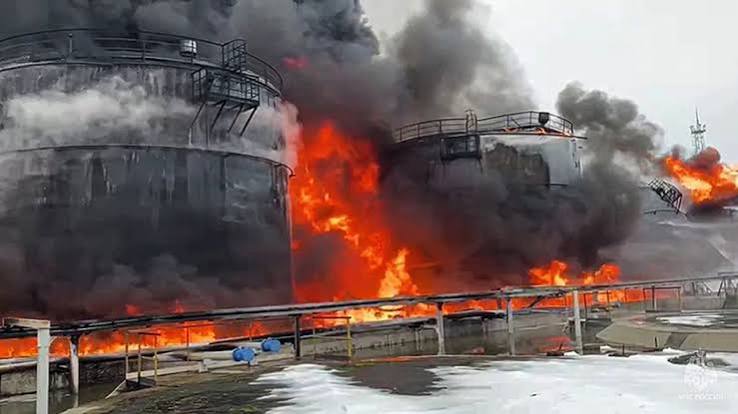
A civilian e-commerce warehouse spanning 250,000 square meters serves as a primary logistics hub for the Russian public, but to the Ukrainian military, it is a cog in a wartime supply chain. This contradiction sat at the center of a massive aerial assault on August 16, when Ukrainian drones struck a Wildberries warehouse in Koledino, Moscow Oblast.
The strike ignited a fire at the facility, which is the largest operated by the online retailer. While Russian officials described the incident as an attack on civilian infrastructure, Ukraine's Defense Ministry confirmed the operation, noting that seven out of the 10 largest Wildberries logistics centers have now been disabled. The attack also hit the Severnoye Domodedovo production and logistics complex in the city of Domodedovo, according to yahoo.com.
Related YouTube video

The justification for targeting a retail giant rests on claims of dual-use logistics. Maj Gen Vadym Skibitski, deputy chief of Ukraine's intelligence service, stated that Russia uses civilian networks to supply its armed forces.
"It's one of the elements of the logistics system of the Russian Federation to wage the war, including through Wildberries - some military equipment, components and other elements,"
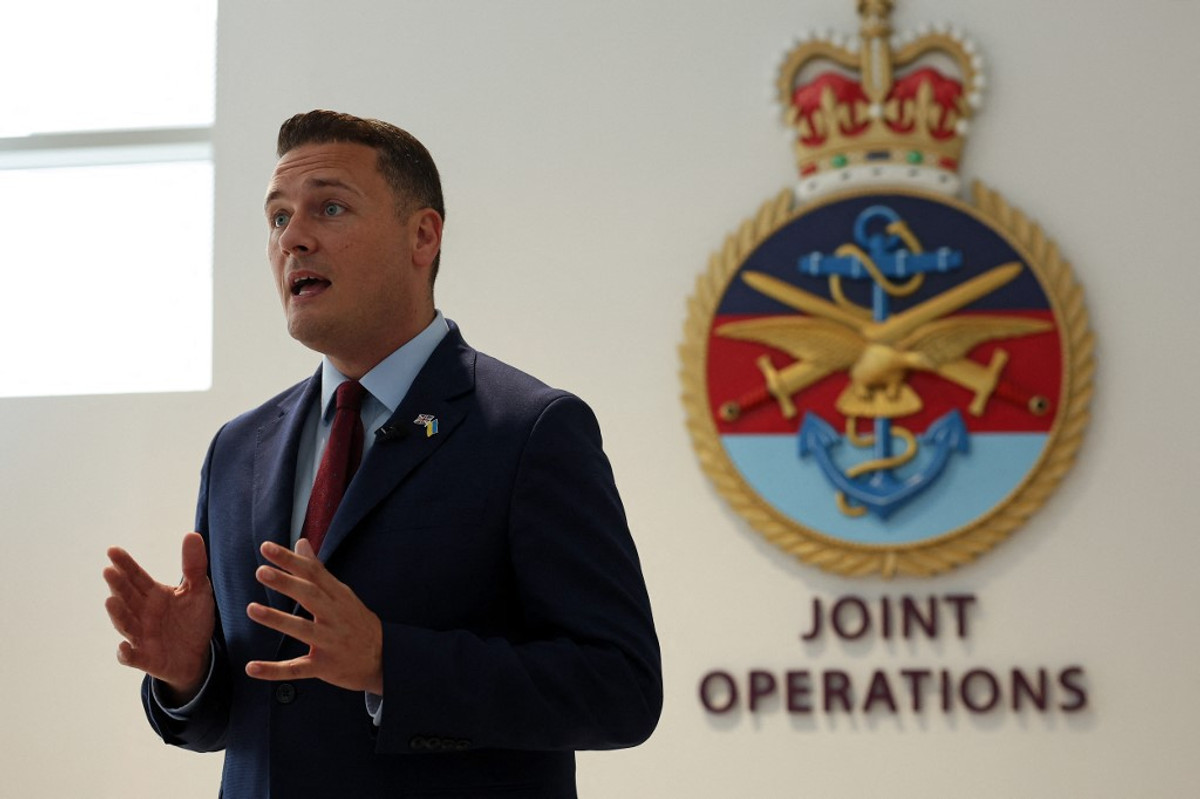
Maj Gen Vadym Skibitski, Deputy Chief of Intelligence, via Myjoyonline
The August 16 operation was part of a wider wave of strikes hitting several Russian regions, though the scale of the attack is subject to significant dispute between officials. Moscow Oblast Governor Andrey Vorobyov reported that air defenses intercepted 187 drones over his region alone. However, Moscow Mayor Sergey Sobyanin alleged that 600 drones had been headed toward the Moscow Oblast in total, with 201 intercepted over the city region.
The Russian Defense Ministry provided a higher figure, stating that 822 Ukrainian drones were intercepted overnight across several regions. If accurate, this would rank among the largest drone attacks ever launched by Ukraine on Russian territory, according to yahoo.com. Businessday.ng also reported this figure of 822 drones, describing it as the largest drone attack of 2026.
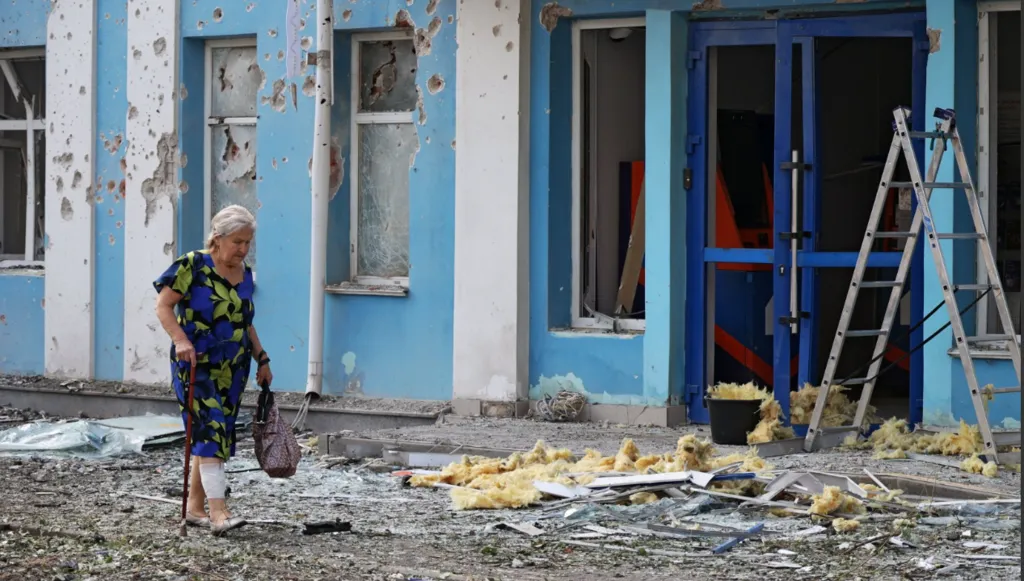
The human cost of the strikes was distributed across the Russian interior. In Moscow Oblast, an 83-year-old man was killed. In the southwestern Rostov Oblast, Governor Yuri Slyusar reported that five people died following attacks on three cities and nine districts. Other casualties included a woman killed by a drone strike on a civilian bus in Belgorod and a 14-year-old child injured in the Belgorod region, according to acting governor Alexander Shuvaev via Myjoyonline. In the Astrakhan region, a woman was killed when a drone hit a home; local governor Igor Babushkin noted the intended target was an industrial facility that remained undamaged.
Beyond the physical degradation of warehouses, Maj Gen Skibitski claimed the strikes are intended to influence the Russian population by raising concerns over the state's ability to protect its territory and prevent such incursions.
These deep-strikes occurred simultaneously with a Russian campaign targeting Ukrainian industrial and cultural sites. In Kyiv, a Russian attack sparked a fire at the Pochaina book market, a landmark established in 1997 that housed books from over 120 publishers. The blaze destroyed several rows of market stalls and damaged the nearby metro station. The Ukrainian Book Institute reported that over 1.5 million Ukrainian books were destroyed in July alone, a trend Kyiv views as an attempt to suppress Ukrainian cultural identity.
Military industrial targets hit during the same period included the ArcelorMittal Kryvyi Rih steel plant—Ukraine's largest producer—which partially suspended operations after a missile strike killed two people and injured 13. Russia claimed its strikes in Kyiv targeted a FirePoint facility producing parts for Flamingo missiles and a factory producing drone components, according to Myjoyonline.
The strategic divide between the two nations is reflected in their reported targets for the August 16 window:
| Ukrainian Targets in Russia | Russian Targets in Ukraine |
|---|---|
| Wildberries warehouse (Koledino) | Pochaina book market (Kyiv) |
| Kombinat Kamensky rocket fuel plant (Rostov) | ArcelorMittal steel plant (Kryvyi Rih) |
| Bastion coastal defense system (Crimea) | FirePoint missile parts facility (Kyiv) |
| Railway bridge (Svitlodolynske) | Industrial facility (Dnipropetrovsk) |
Ukraine's General Staff defended the strike on Kombinat Kamensky in Rostov, noting the state-owned enterprise produces solid rocket fuel for Uragan, Smerch, and Tornado-S launchers used directly by the Russian Armed Forces.
While Russia focuses on the civilian casualties of these drone waves, Ukraine is expanding its definition of legitimate targets to include the "shadow fleet" and the logistical networks enabling Russian exports. On August 14, President Volodymyr Zelensky signed a decree sanctioning 11 Russian citizens, 13 vessels, and 28 legal entities involved in shipping stolen Ukrainian grain.
The Ukrainian military intelligence agency (HUR) is currently pressing international partners to apply similar sanctions to these logistics networks, seeking to isolate the maritime and land-based systems that sustain the Russian war effort.
Russian analysts cited by Tass argue that these large-scale attacks inside Russia are a strategy to divert attention from Ukraine's own air defense shortages. According to these experts, the attacks are intended to generate media attention and provoke social tensions within the Russian population.
How significant is this development?
Contribute your assessment to the aggregated reader intelligence ledger.
Archypedia is dedicated to independent, evidence-backed reporting. This briefing was synthesized from primary source reporting, corroborated across independent newsrooms, and verified against our Editorial Standards.
Transparency record
Evidence behind this report
This report synthesizes 4 distinct sources. Open the source ledger below to compare the underlying coverage.
Prepared under the Archypedia Editorial Policy by the Samir Haddad editorial desk profile. AI-assisted tools may support drafting and verification; public accountability remains with Archypedia. Report an error.