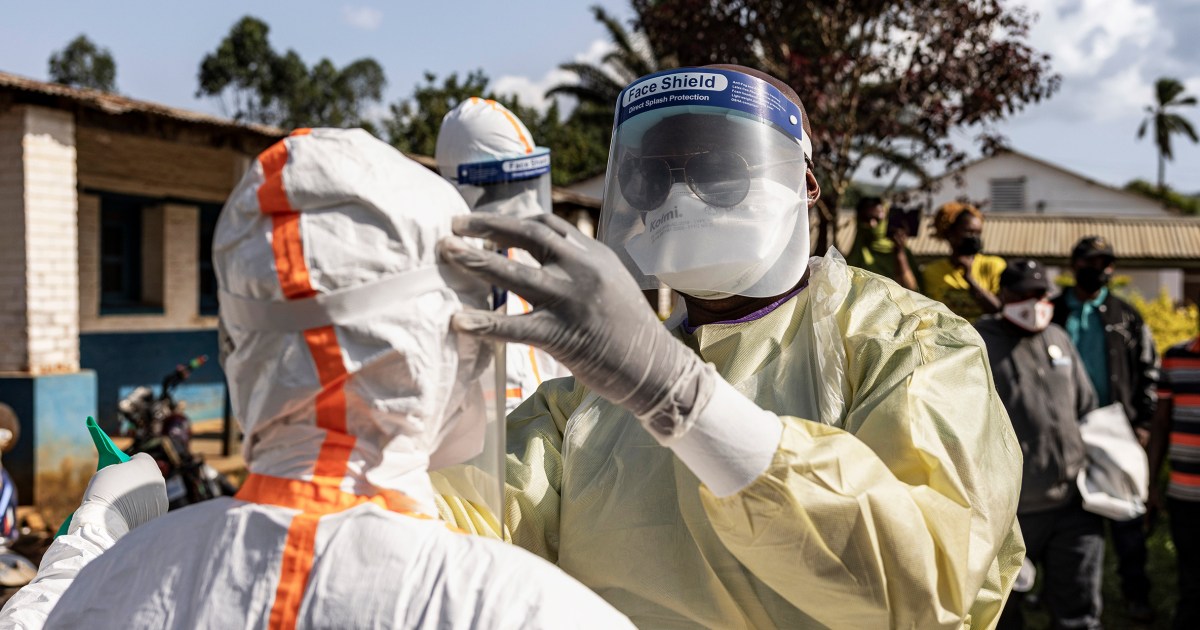
Ebola outbreak in Democratic Republic of the Congo now deadliest in country’s history
Surpassing the 2018-2020 epidemic, the current Ebola crisis in the DRC has recorded 4,945 cases and 2,325 deaths amid a lack of approved vaccines for the circulating strain.

Official data released on Sunday, August 16, 2026, confirmed that the Ebola outbreak in the Democratic Republic of the Congo has claimed 2,325 lives, surpassing the 2,299 deaths recorded during the 2018–2020 epidemic to become the deadliest in the country's history, according to reports from usatoday.com and sabcnews.com. The country's public health institute reported that confirmed cases had risen to 4,945, driven by 101 new infections detected over the preceding 24-hour reporting period, while Xinhua placed the case fatality rate at 47.0 percent in parallel situation reporting, compared to government metrics showing a rise from roughly 20 percent in early June to 46 percent.
Marking the nation's 17th encounter with the virus since its discovery decades prior, the epidemic declared on May 15, 2026, is accelerating at an unprecedented velocity across six of the country's 26 provinces, heavily concentrated in north-eastern regions like Ituri province, where more than 3,400 cases have been recorded. While the 2014–2016 West African outbreak required nearly five months to reach 1,000 deaths, the current crisis vaulted past 2,000 fatalities in less than three months, according to World Health Organization data cited by Tvcnews. United Nations humanitarian chief Tom Fletcher warned that the transmission rate has effectively equated to one death every 30 minutes, placing the emergency on a trajectory that trails only the historical scale seen in Guinea, Liberia, and Sierra Leone.
Related YouTube video

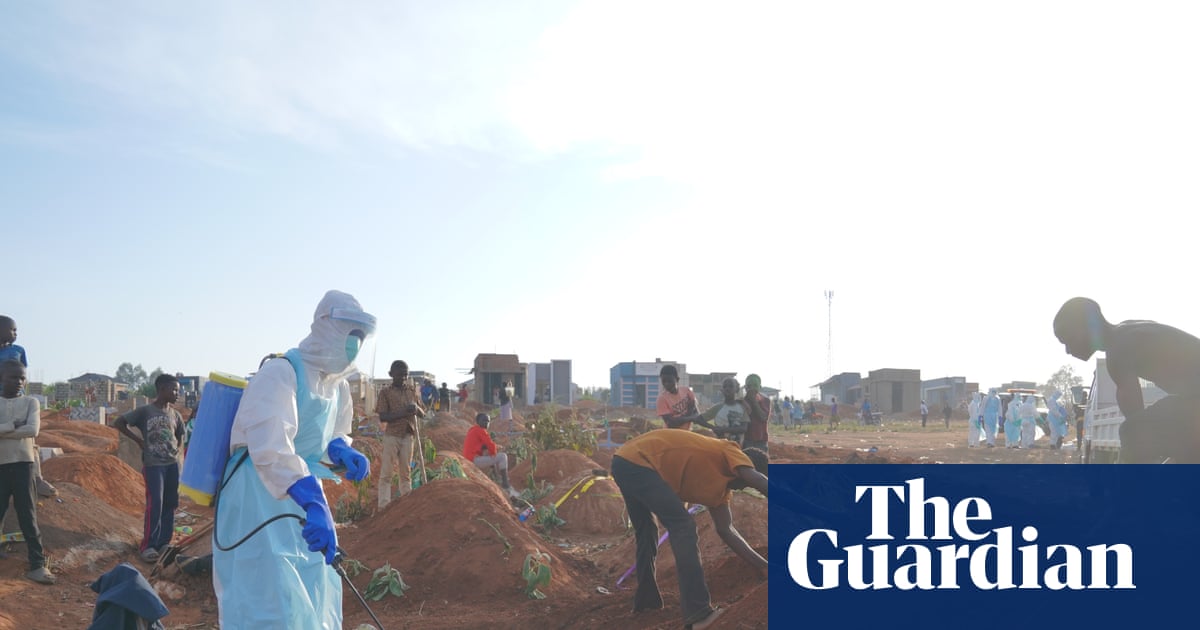
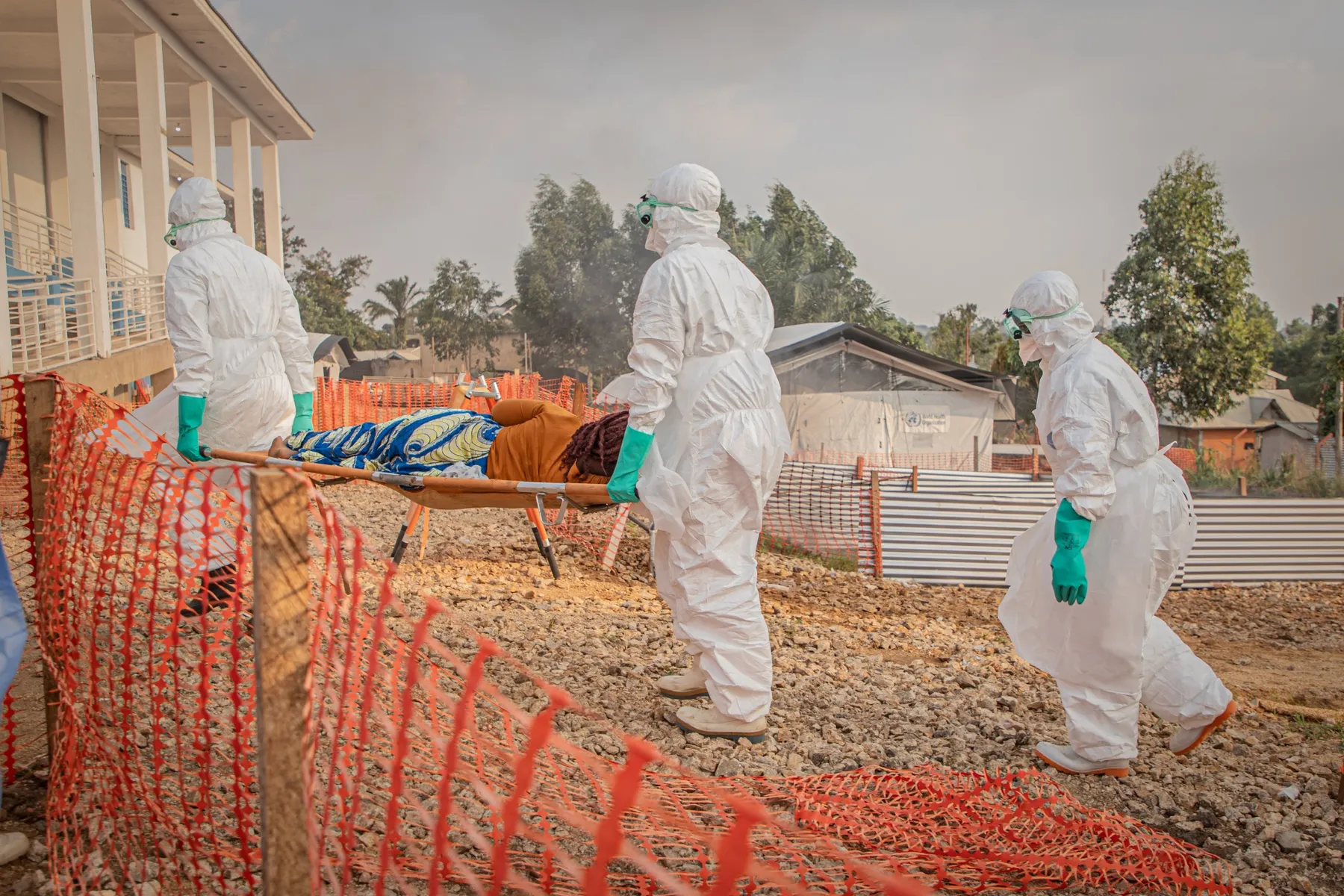
Public health specialists emphasize that this statistical surge does not signify an inherent mutation making the pathogen more lethal. Instead, the high proportion of fatal outcomes reflects systemic breakdowns in surveillance, delayed diagnosis, and formidable barriers preventing patients from reaching medical care promptly, as outbreaks are complicated by weak health infrastructure, regional conflict, and a highly mobile population noted by chinaview.cn and Nairametrics.
Unlike past epidemics driven by more studied viral strains, this outbreak is propelled by the Bundibugyo species of Ebola, an uncommon variant with only two prior recognized occurrences globally. The strain currently possesses no approved vaccines or targeted antiviral treatments, leaving clinicians to navigate uncharted territory as infections ripple across the affected provinces.
On the ground, the statistical gravity of the crisis manifests in deep-rooted community mistrust and operational paralysis. Médecins Sans Frontières public health specialist Thomas Parisch described the clinical disconnect:
"Normally, as an outbreak progresses, the case fatality ratio should fall as contact tracing improves and patients are identified and treated earlier. Instead, we’re still seeing many cases detected very late, when treatment is less likely to succeed, with many identified only after they die in the community."
Thomas Parisch, Public health specialist, via usatoday.com and theguardian.com
According to World Health Organization regional Africa director Mohamed Janabi, more than 70 percent of individuals succumbing to the virus die within local communities rather than inside dedicated health facilities, reported The Guardian. Civil society actors in Ituri's Djugu area report that families frequently misinterpret early flu-like symptoms — which mirror malaria or poisoning — and resort to home remedies out of apprehension toward treatment centers.
Flavier Ngurima, a resident of the Nizi hotspot in Ituri, recounted attempting home-based care for a relative because the patient and the family members were afraid to go to the ETC [treatment centre]
under the prevailing community belief that over there, a lot of people die.
Such avoidance is compounded by localized strikes by unpaid healthcare workers and sporadic attacks on medical infrastructure fueled by misinformation regarding safe burial practices.
Outbreak Statistics and Regional Indicators at a Glance
- Total fatalities stand at 2,325, eclipsing the 2,299 deaths from the 2018–2020 epidemic.
- Confirmed cases have reached 4,945, with infections spanning six provinces.
- The case fatality ratio climbed from approximately 20 percent in early June to 46 percent according to government metrics.
- Neighboring Uganda successfully limited its spillover cluster to 20 confirmed cases and two deaths before being declared Ebola-free in late July.
Amid these severe local headwinds, international intervention efforts are moving into clinical testing phases. World Health Organization Director-General Tedros Adhanom Ghebreyesus confirmed that two vaccines engineered specifically for the Bundibugyo strain have advanced to human trials, including a candidate utilizing the vector technology behind the Oxford-AstraZeneca COVID-19 vaccine developed by researchers at the University of Oxford, alongside UK regulatory approvals reported by tvcnews.tv. Concurrently, the World Health Organization is sponsoring clinical trials in Ituri to evaluate whether existing antiviral treatments can salvage patient survival rates, while available evidence from earlier assessments remains limited to animal studies.
The World Health Organization has established a target window of three months to bring active transmission under control, a threshold that relies entirely on whether accelerated vaccination trials and mobile surveillance can dismantle community resistance before the virus solidifies its hold.
How significant is this development?
Contribute your assessment to the aggregated reader intelligence ledger.
Archypedia is dedicated to independent, evidence-backed reporting. This briefing was synthesized from primary source reporting, corroborated across independent newsrooms, and verified against our Editorial Standards.
Transparency record
Evidence behind this report
This report synthesizes 6 distinct sources. Open the source ledger below to compare the underlying coverage.
Prepared under the Archypedia Editorial Policy by the Lina Park editorial desk profile. AI-assisted tools may support drafting and verification; public accountability remains with Archypedia. Report an error.