Sri Lanka deploys drones and military to combat surging dengue outbreak
With daily hospital admissions exceeding 1,000, Sri Lanka has mobilized its military to identify and eliminate mosquito breeding sites using drones.

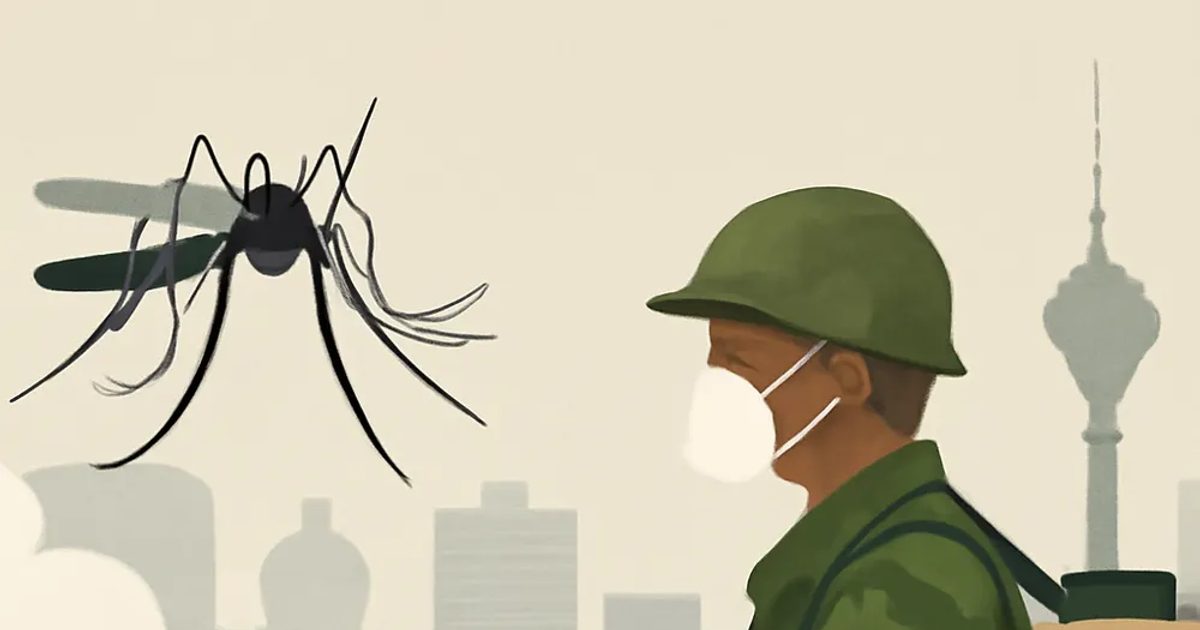
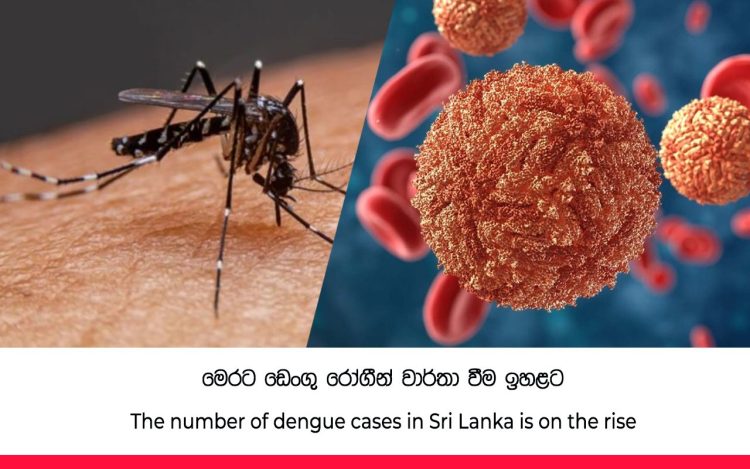
Sri Lanka has mobilized its military and integrated advanced aerial technology into its public health response as a severe surge in dengue fever threatens to overwhelm the nation’s medical infrastructure. With daily hospital admissions now exceeding 1,000, the government has shifted toward an aggressive, data-driven vector control strategy to combat a viral outbreak that has already infected more than 51,000 people across the island in 2026.
The current crisis, which has resulted in 29 reported deaths, follows a period of significant environmental instability. Health officials point to a major cyclone that struck in late 2025, triggering over 1,000 landslides and leaving behind widespread debris and stagnant water that has served as a primary breeding ground for Aedes aegypti and Aedes albopictus mosquitoes. Frequent, irregular rainfall and the ongoing southwest monsoon have exacerbated these conditions, creating a fertile environment for the insects to thrive in urban and semi-urban centers.
Related media

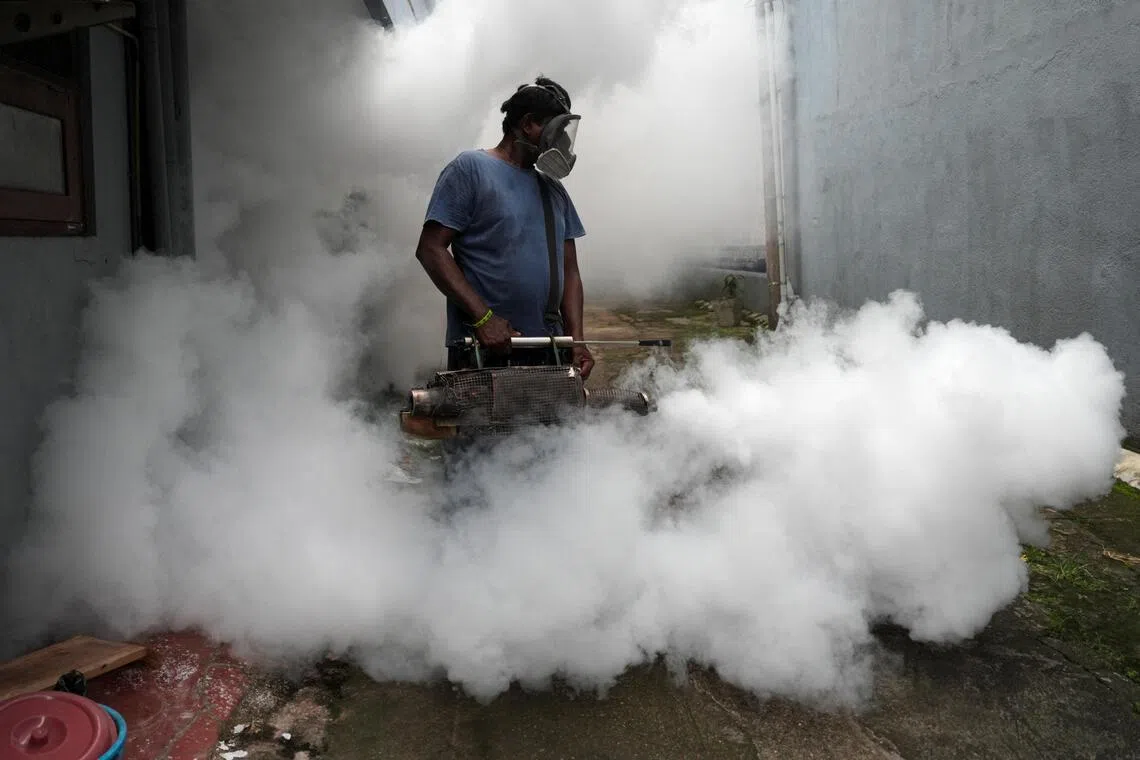

In response, President Anura Kumara Dissanayake authorized the deployment of army, navy, and air force personnel to assist public health authorities. These military units are operating alongside public health inspectors and community volunteers in a nationwide cleanup campaign. This initiative, which includes scanning high-rise rooftops and inaccessible construction sites for stagnant water using military drones, is designed to identify and eliminate potential mosquito habitats at a scale that traditional ground teams cannot match.
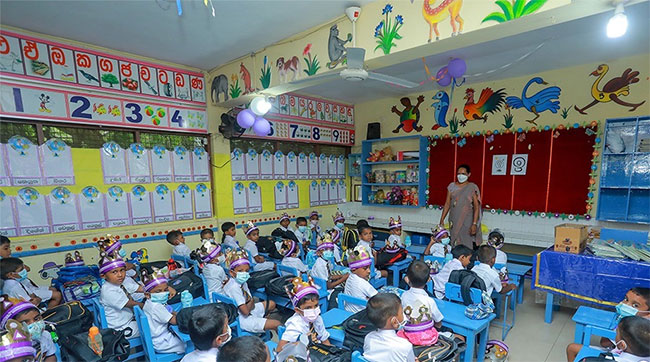
The pressure on the healthcare system is acute. At the National Institute of Infectious Diseases and other primary treatment centers, wards are reportedly at capacity, with some patients sharing beds or utilizing floor space. Dr. Kapila Kannangara, head of the National Dengue Control Unit, has expressed urgent concern that the country could face a crisis similar to 2017, when 186,000 infections and 440 deaths were recorded.
Factors Driving the Surge
Health experts are currently investigating why the virus has erupted with such intensity this year. Prof. Neelika Malavige, a dengue specialist at the University of Sri Jayewardenepura, noted that her team is examining whether the current strain—primarily identified as dengue-2—has undergone mutations that increase its infectivity. Additionally, researchers are exploring whether the decline of the virus in 2025, possibly due to competition from a large-scale chikungunya outbreak, allowed for a more significant rebound of dengue this year as population immunity waned.
The government's intervention involves more than just surveillance. Authorities have announced that laws regarding the maintenance of private premises will be strictly enforced, with property owners facing fines if they fail to clear potential breeding sites on their land. This legal push is paired with a broader effort to empower local public safety committees to maintain environmental hygiene.
Long-term Vector Control Strategies
Beyond the current emergency measures, the National Dengue Control Unit is looking toward biological interventions to provide a sustainable alternative to chemical fogging. The country is currently working to establish a dedicated facility to breed mosquitoes containing Wolbachia bacteria, which can neutralize the dengue virus within the insect population. This method, which has been utilized in regions such as Yogyakarta, Indonesia, and North Queensland, Australia, was previously piloted in Colombo between 2018 and 2021.
The following timeline and summary outline the current government response and the path forward:
| Date/Period | Event/Measure |
|---|---|
| Late 2025 | Cyclone strikes, creating widespread debris and stagnant water sites. |
| June 24, 2026 | Launch of a nationwide three-day dengue prevention and cleanup drive. |
| Ongoing | Deployment of military drones for aerial mapping of breeding grounds. |
| Future | Planned establishment of a Wolbachia mosquito breeding factory. |
While the immediate goal remains containing the transmission rate through the current monsoon period, government officials have indicated that response measures will be subject to ongoing review and potential expansion. Health authorities continue to emphasize that, despite the military-led technology deployment, community participation remains essential for curbing the spread, urging residents to remain vigilant in emptying containers and managing water storage within their own households.
For further updates on the national response, residents are advised to monitor official guidance from the Ministry of Health regarding mandatory inspections and sanitation protocols as the country moves into the next phase of its containment operation.
How significant is this development?
Contribute your assessment to the aggregated reader intelligence ledger.
Archypedia is dedicated to independent, evidence-backed reporting. This briefing was synthesized from primary source reporting, corroborated across independent newsrooms, and verified against our Editorial Standards.
Transparency record
Evidence behind this report
This report synthesizes 11 distinct sources. Open the source ledger below to compare the underlying coverage.
- bgodinspired.com
- lankanewspapers.com
- europesays.com
- straitstimes.com
- archynewsy.com
- yahoo.com
- arabtimesonline.com
- lankaweb.com
- gazettengr.com
- millichronicle.com
- thestar.com.my
Prepared under the Archypedia Editorial Policy by the Lina Park editorial desk profile. AI-assisted tools may support drafting and verification; public accountability remains with Archypedia. Report an error.