Apple launches Apple Watch Series 12 with enhanced health sensors and S11 chip
While maintaining a 24-hour battery life, the Series 12 pivots toward high-density biometric data and ambient AI, introducing hardware-isolated audio processing.
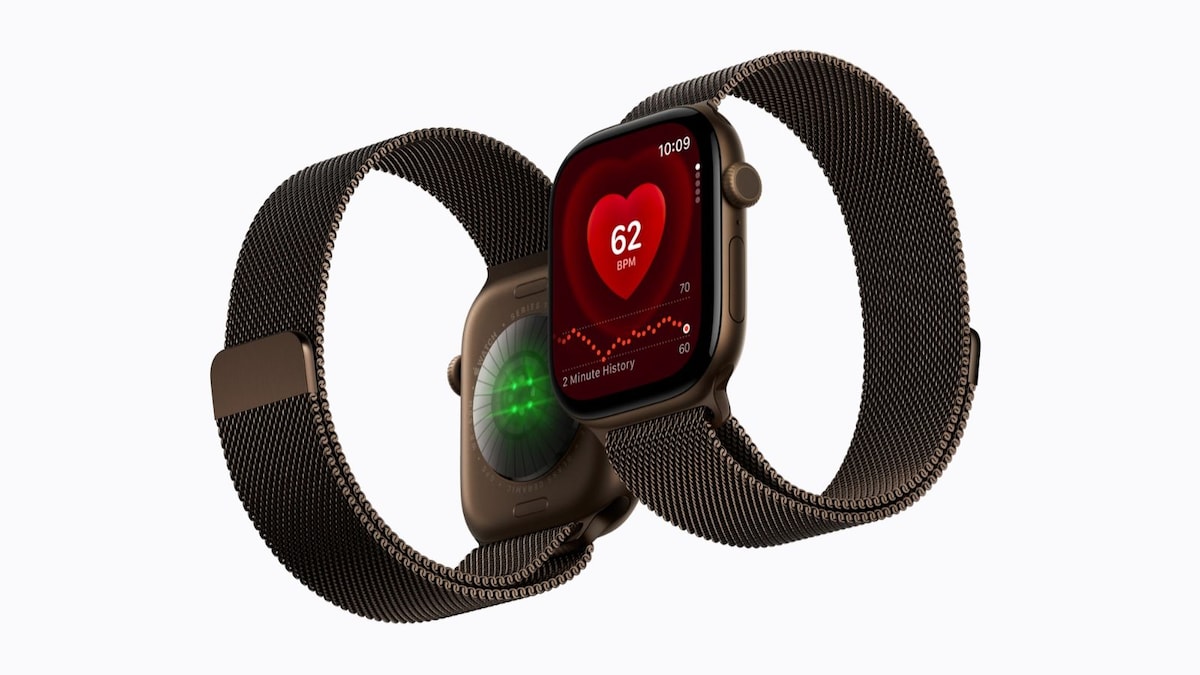
Apple has opened preorders for the Series 12 and Ultra 4 smartwatches, introducing an S11 processor, increased heart rate sampling, and a daily Readiness score.
Samsung has debuted its latest foldable lineup featuring the passport-shaped Galaxy Z Fold 8 and the AI-focused Galaxy Watch Ultra 2 and Watch 9. The new hardware suite centers on refined display architectures and advanced AI-driven health monitoring.
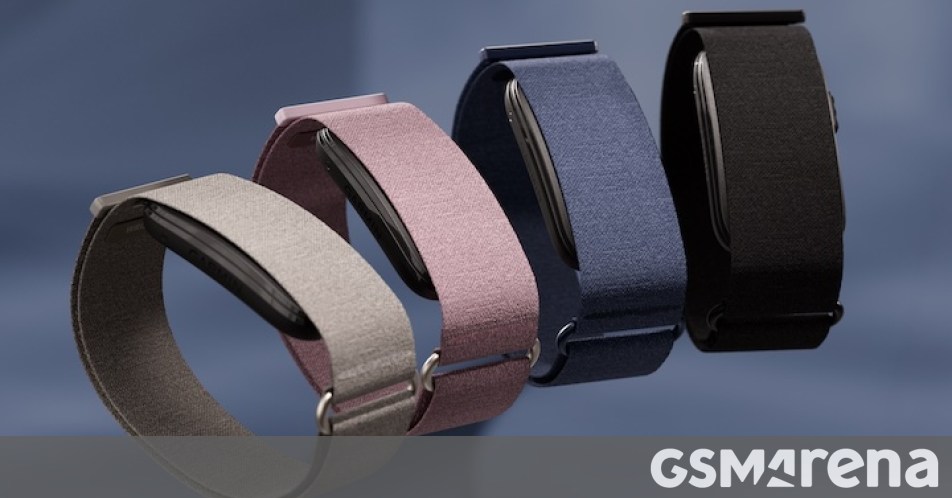
Garmin enters the screen-free wearable market with the CIRQA Smart Band, a recovery-focused tracker that provides health data via the Garmin Connect app.
Samsung's Galaxy Unpacked event features a new foldable strategy with the Z Fold 8 series and the debut of smart glasses integrated with Google Gemini AI.
Samsung has officially teased its upcoming Galaxy Watch lineup, highlighting a shift toward intelligent, AI-driven wellness tracking and improved battery performance.
Scientists at the Shenyang Institute of Automation have created a microneedle patch for real-time dopamine monitoring, highlighting the distinction between clinical technology and unregulated wellness products.
Apple has released watchOS 27 beta 3, which adds a dedicated Siri app for conversational interactions on specific Apple Watch models. The update also includes new HealthKit APIs, interface adjustments, and enhancements to the Find My service.
Sony has introduced its Reon Pocket Pro Plus wearable climate-control device to the U.S. market, which uses thermoelectric cooling to regulate personal temperature. The $259.99 unit includes a sensor tag for automatic adjustments and is scheduled to begin shipping in late July 2026.
Rome is deploying wearable health technology to monitor the vital signs and physical activity of elderly residents to protect them from extreme heatwaves.
Snap faces backlash following the unveiling of its $2,195 augmented reality glasses, with critics citing aesthetic concerns and a high price point.